
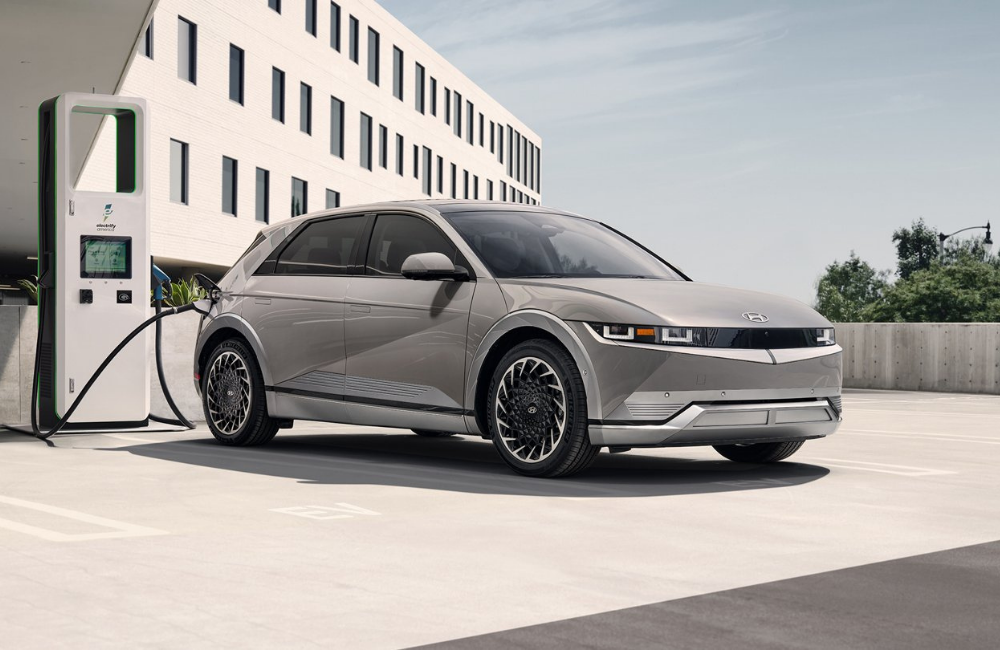
South Korea will require domestic carmakers to ensure half of their total vehicle sales are zero-emission models, including electric and hydrogen cars, by 2030, the government said on Tuesday. Companies failing to meet the target will face a levy of 3 million won ($2,200) per vehicle from 2028, a move that has raised concern among automakers already struggling with tariffs and slowing profits.
According to the Ministry of Climate, Energy and Environment, the new measures will be finalized by the end of this year as part of the country’s 2026–2030 roadmap for low and zero-emission vehicle adoption. The current target stands at 26% of annual sales, but the government plans to lift it to 28% next year, 36% in 2028, and 50% by 2030. Officials say the increase is necessary to meet South Korea’s Nationally Determined Contribution (NDC), which calls for 4.5 million zero-emission vehicles by the end of the decade.
See also: South Korean Officials Head to Washington to Finalize Tariff Deal Ahead of APEC Summit
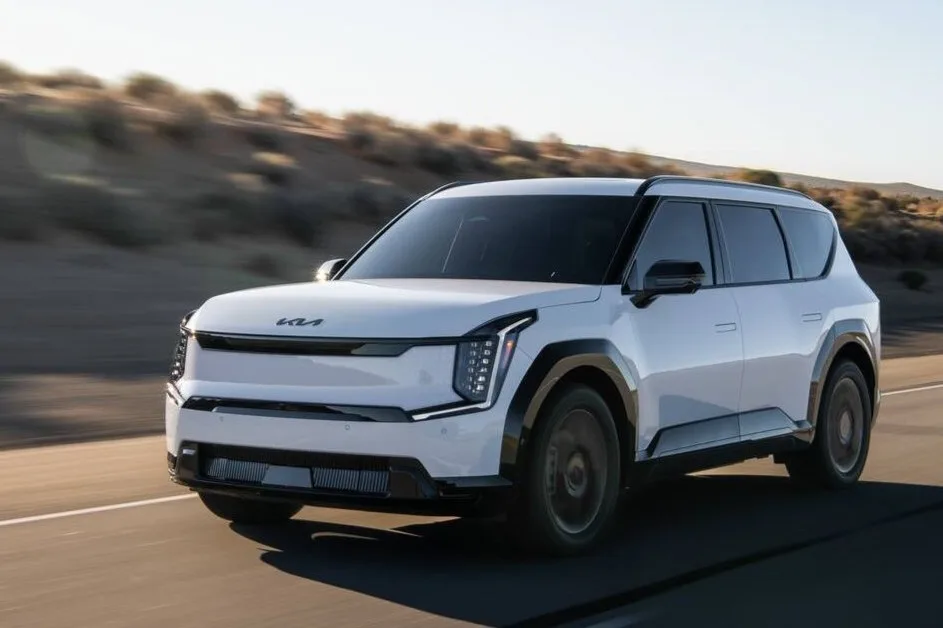
“The current target cannot achieve the NDC, so raising the supply ratio is inevitable,” a ministry official said.
Automakers warn the mandate could impose significant costs, especially on mid-sized manufacturers such as GM Korea and Renault Korea, whose lineups remain dominated by combustion-engine models. Two firms are forecast to miss the new targets, with combined penalties estimated at more than 400 billion won ($293 million) over five years, according to government projections.
Tesla Launches Cybertruck in South Korea, Its First Market Outside North America
Industry officials say the move could also give Chinese electric vehicle makers an opening to expand in the domestic market. “It’s an unreasonable target that doesn’t consider the internal combustion engine market at all,” one automotive source said, warning that the heavier compliance costs could weaken local players against cheaper Chinese imports.
See also: LS-L&F Battery Solutions Launches South Korean Precursor Plant to Curb China Reliance
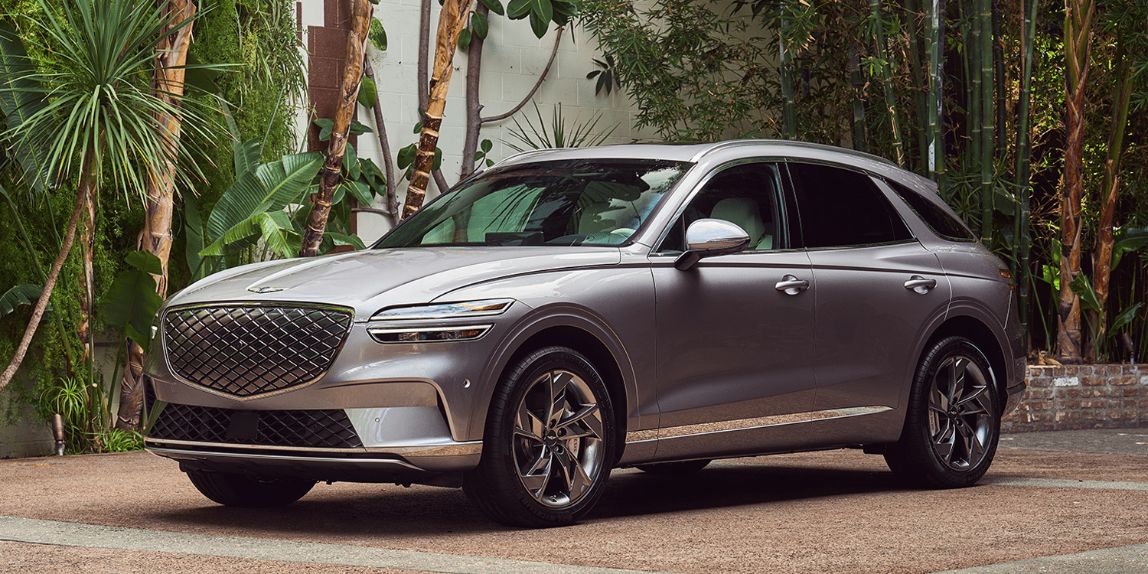
The new rules add to pressures already faced by South Korea’s carmakers. U.S. tariffs of 25% on Korean imports have weighed heavily on the industry, with Hyundai Motor Group’s annual tariff costs estimated at 8.4 trillion won, according to Nice Credit Rating. Analysts expect Hyundai Motor Co. and Kia Corp.’s third-quarter operating profits to drop by more than 20% from a year earlier.
Hyundai, Kia See EV Sales Jump in Korea as New Models Spark Demand
Parts suppliers are also under strain. Only 19.9% of domestic auto parts companies have converted production to serve the zero-emission vehicle market, while nearly half still depend on combustion-engine components, according to the Korea Auto Industries Cooperative Association. “If the target is raised so quickly, small and medium-sized companies will find it difficult to survive,” one industry representative said.
See also: South Korea Weighs 2035 Ban on Petrol and Diesel Car Sales
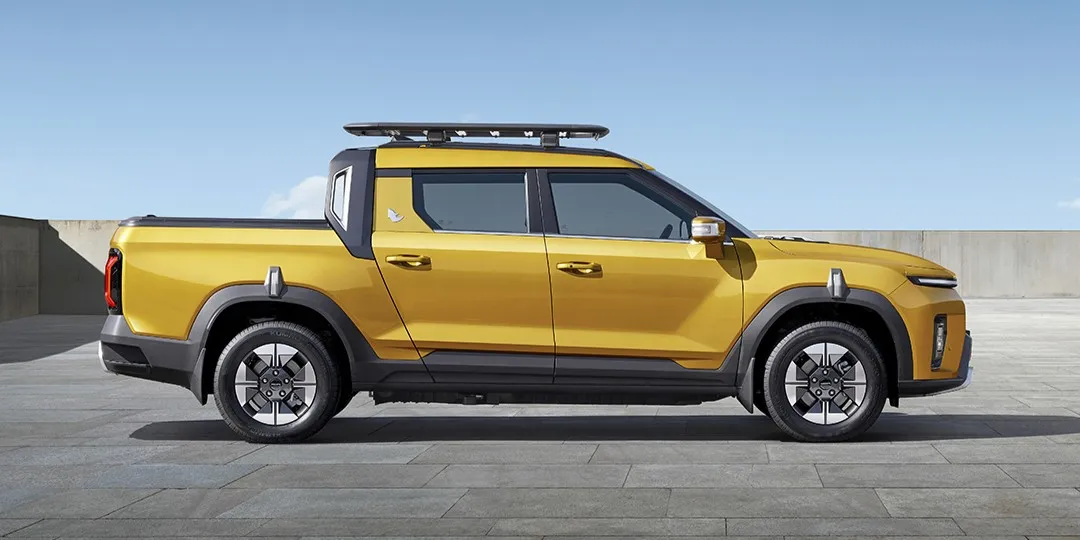
The government says the rules are necessary to align with global trends and boost long-term competitiveness. It plans to partially recognize hybrid sales toward the target to ease the transition. “Considering the international trend of phasing out internal combustion vehicles and strengthening greenhouse gas regulations, it is appropriate to raise the target,” the ministry said.
The zero-emission vehicle supply goal for 2035 is also expected to rise sharply to as high as 9.8 million units, a level that would effectively end new combustion vehicle sales by 2034. Industry groups, however, are urging a more gradual approach. “The industry is in a state of mental breakdown,” said Lee Tae-sung, chairman of the Korea Auto Industries Cooperative Association, calling for a reduced target of 5.5 million to 6.5 million units to reflect “realistic conditions.”
Source: BusinessKorea