
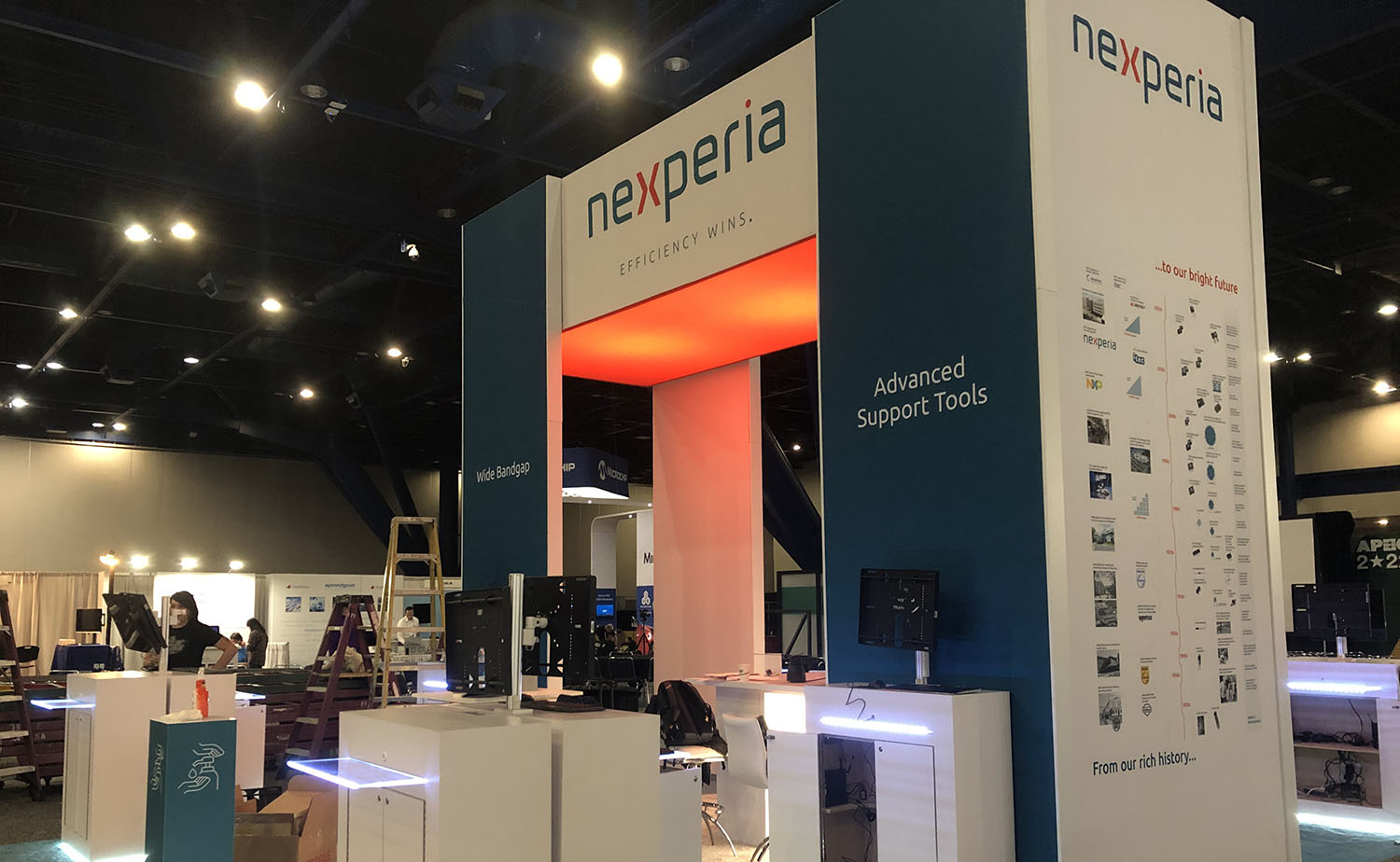
Germany’s automotive industry is warning of possible production stoppages after semiconductor manufacturer Nexperia, recently taken over by the Dutch government, said it could no longer ensure reliable chip deliveries. The German Association of the Automotive Industry (VDA) said the move has created a new supply bottleneck for critical components and called on policymakers in Europe to act swiftly.
The Dutch government assumed control of Nexperia and removed its CEO, Zhang Xuezheng, by court order, citing national security concerns over technology transfer to its Chinese parent company, Wingtech. In response, China imposed export restrictions on parts of Nexperia’s production, disrupting supply chains.
See also: Volkswagen Group Launches Joint Semiconductor Procurement Strategy with Rivian
Although Nexperia’s largest facility, employing about 1,600 workers, is located in Hamburg, many of its chips are processed in China before being re-exported to Europe. The company said roughly 80 percent of products containing Nexperia chips are now affected.
“The situation could lead to considerable production restrictions in the near future, and possibly even to production stoppages if the interruption in the supply of Nexperia chips cannot be rectified in the short term,” VDA President Hildegard Müller said in a statement. She added that the association is working with affected companies, national governments, and the European Commission to “find quick and pragmatic solutions.”
See also: LG Innotek Enters Automotive Semiconductor Market with AP Module
Nexperia is a major global supplier of semiconductors used in electronic control units, which are vital for vehicle electronics. The shortage is expected to hit the electric vehicle (EV) segment particularly hard, as EVs require more than twice as many chips as combustion-engine cars. According to consultancy P3 Group, an average EV uses around 1,300 chips compared to about 600 in petrol or diesel models, with nearly half integrated into the powertrain.
“This is a cross-industry issue affecting a large number of suppliers and virtually all of our members,” said Sigrid de Vries, Director General of the European Automobile Manufacturers’ Association (ACEA). “We suddenly find ourselves in this alarming situation. We really need quick and pragmatic solutions from all countries involved.”
See also: EU Approves €920 Million German Grant for Infineon’s Dresden Semiconductor Plant
Industry groups warn that automakers’ current chip inventories may only last a few weeks. While companies are exploring alternative suppliers, the approval process for new semiconductor components can take months. Electric vehicles, which depend heavily on chips for battery management, power electronics, sensors, and driver assistance systems, face a higher risk of assembly disruptions if even a single component becomes unavailable.
It remains uncertain which automakers and models will be directly affected. Media reports have suggested a potential production halt at Volkswagen’s Wolfsburg plant, though the company has not confirmed this. A recent VDA survey found that several major German automakers and suppliers anticipate delivery issues within days.
See also: Infineon, Visteon Partner to Advance EV Drivetrain Efficiency with GaN and SiC Semiconductors
Given the multilayered nature of the automotive supply chain—where manufacturers source complete modules from suppliers like Bosch, Continental, or ZF, who in turn depend on multiple chip vendors—the full scale of the Nexperia-related disruption may take time to emerge.
Source: reuters.com, acea.auto