
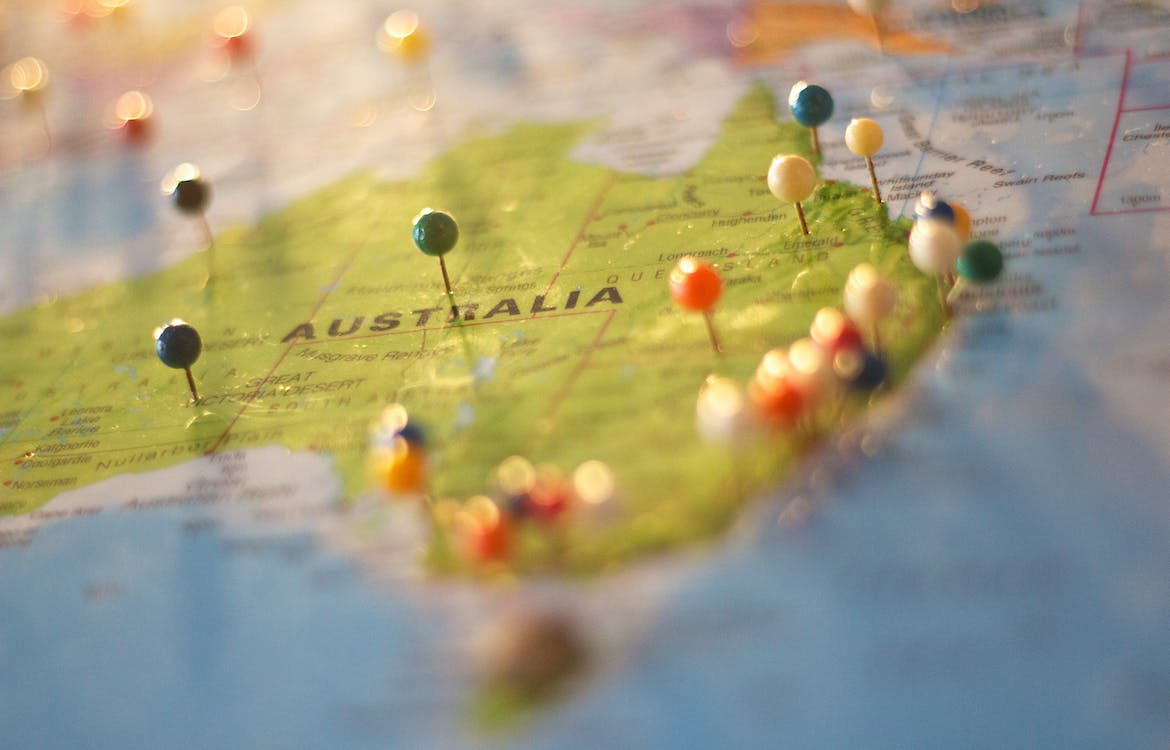
Australia is developing a critical minerals reserve that will prioritize sales of future production over creating a large physical stockpile, according to industry sources, as Australian and U.S. leaders prepare to meet next week.
The country’s critical minerals task force has been consulting miners and project developers across a range of metals to finalize policy recommendations for a A$1.2 billion ($782 million) reserve targeting minerals considered vulnerable to supply disruption, with an emphasis on rare earths. The reserve is expected to be operational by the second half of 2026.
See also: China Tightens Export Controls on Rare Earths Used in Electric Vehicles
Rather than holding a physical stockpile, the proposed framework would involve agreements on annual supplies, allowing miners to sell directly to consumers while fulfilling obligations under bilateral deals. This approach aims to minimize Australia’s financial exposure while ensuring predictable markets for critical minerals, which are essential for decarbonization, data centers, and high-tech applications.
The plan comes amid global supply chain concerns, following China’s recent tightening of rare earth exports ahead of high-level talks with the United States. Australia is seeking to leverage its position as a key supplier to allies, engaging with countries including the U.S., Europe, Japan, and South Korea.
Officials are also exploring mechanisms to manage price and supply risks, particularly for heavy rare earths, which are largely priced according to China-based indices. Proposals under discussion include arrangements that could help establish a Western benchmark price, though challenges remain due to market size and liquidity constraints.
The task force aims to finalize its recommendations by the end of the year, providing a strategic framework for securing critical minerals while balancing market stability and financial risk.
Source: Reuters