
Stellantis is preparing to invest roughly $10 billion in the United States over the next several years as part of a broader restructuring effort aimed at revitalizing its struggling brands and operations, Bloomberg reported on Saturday, citing people familiar with the matter.
The French-Italian-American automaker could announce around $5 billion in fresh investment in the coming weeks, in addition to a similar amount allocated earlier this year, according to the report. The investments may support plant reopenings, new hiring, and vehicle model launches in states including Illinois and Michigan.
See also: Stellantis Deepens Partnership With Mistral AI to Scale Artificial Intelligence Across Operations
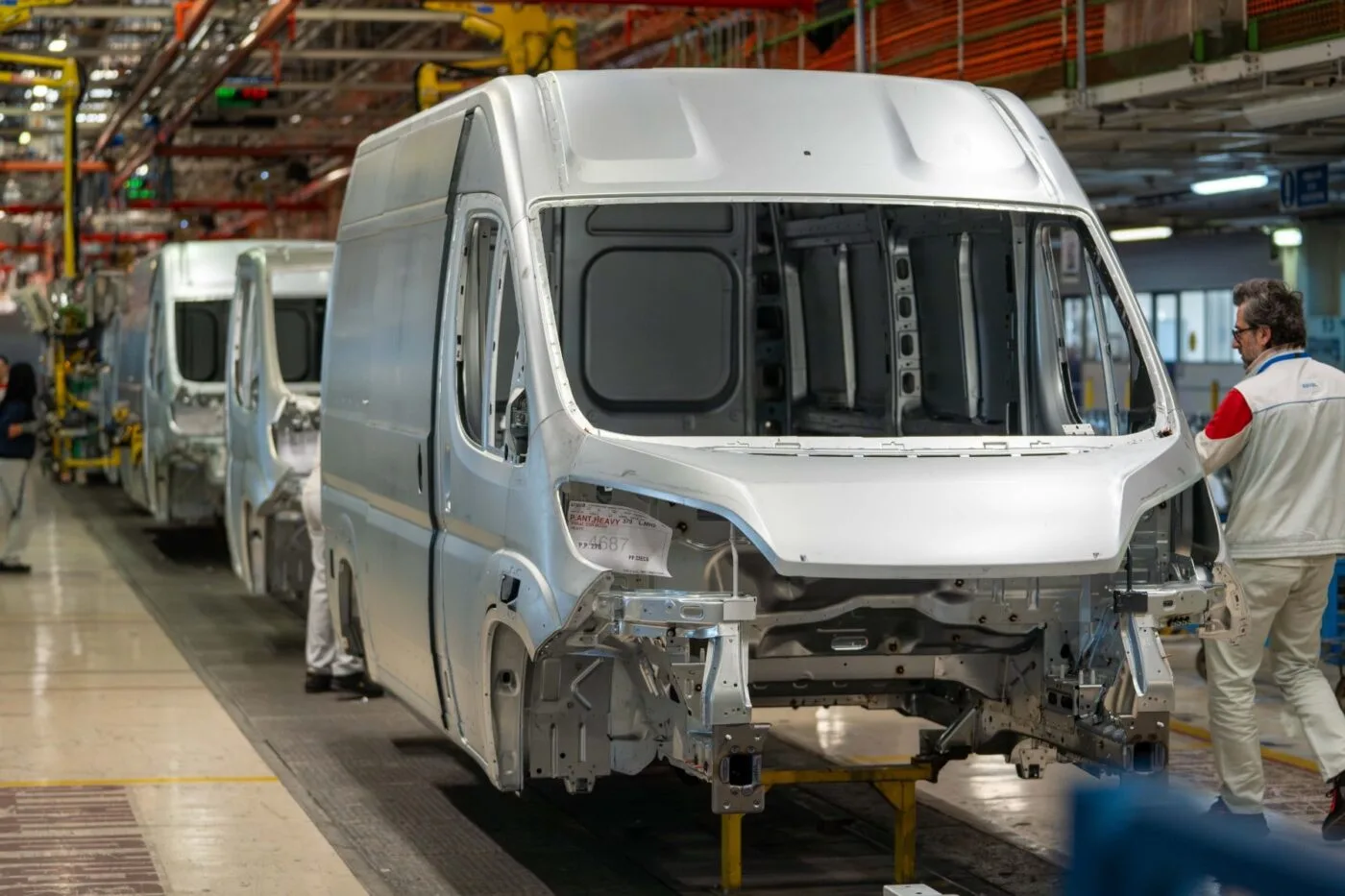
In July, Stellantis warned it would take a 1.5 billion-euro ($1.76 billion) hit this year from U.S. tariffs but pledged to launch new vehicles to reconnect with consumers. The plans come as new CEO Antonio Filosa, who took over in June, seeks to reverse a slump in U.S. sales after what he called a “dismal” 2024.
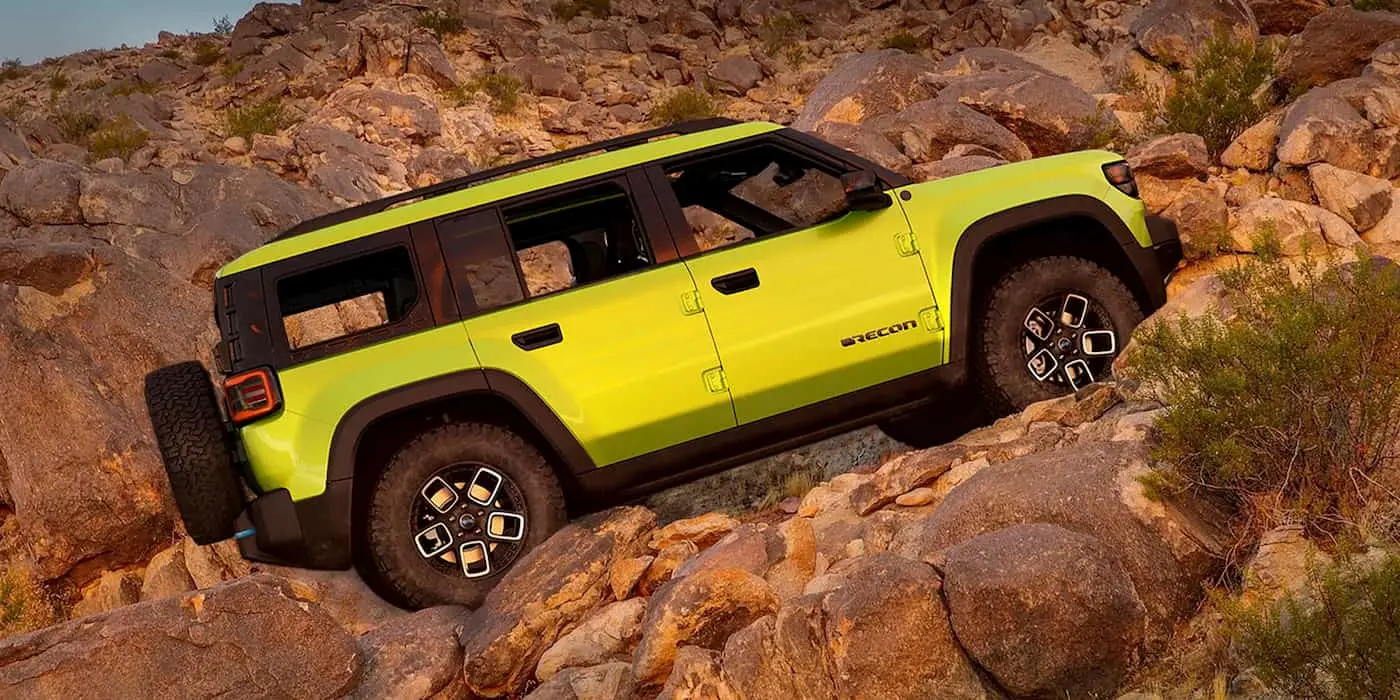
Filosa said in September that the company is reintroducing models such as the Jeep Cherokee and 8-cylinder RAM trucks, after their discontinuation contributed to declining sales. Bloomberg reported that Stellantis also aims to restore the past success of the Jeep brand while exploring new investments in Dodge — potentially including a new Dodge V8 muscle car — and in the Chrysler brand over the longer term.
See also: Stellantis To Halt Production At Six European Plants Amid Weak Demand
“As part of the preparations for the Company’s strategy update and Capital Markets Day next year, the CEO is leading a thorough evaluation of all future investments. This process is ongoing,” a Stellantis spokesperson said in a statement to Reuters. The company did not provide further details.
Separately, U.S. Senator Bernie Moreno, an Ohio Republican, and auto industry officials told Reuters on Friday that U.S. President Donald Trump is considering significant tariff relief for domestic auto production that could offset much of the current cost burden faced by major carmakers.