
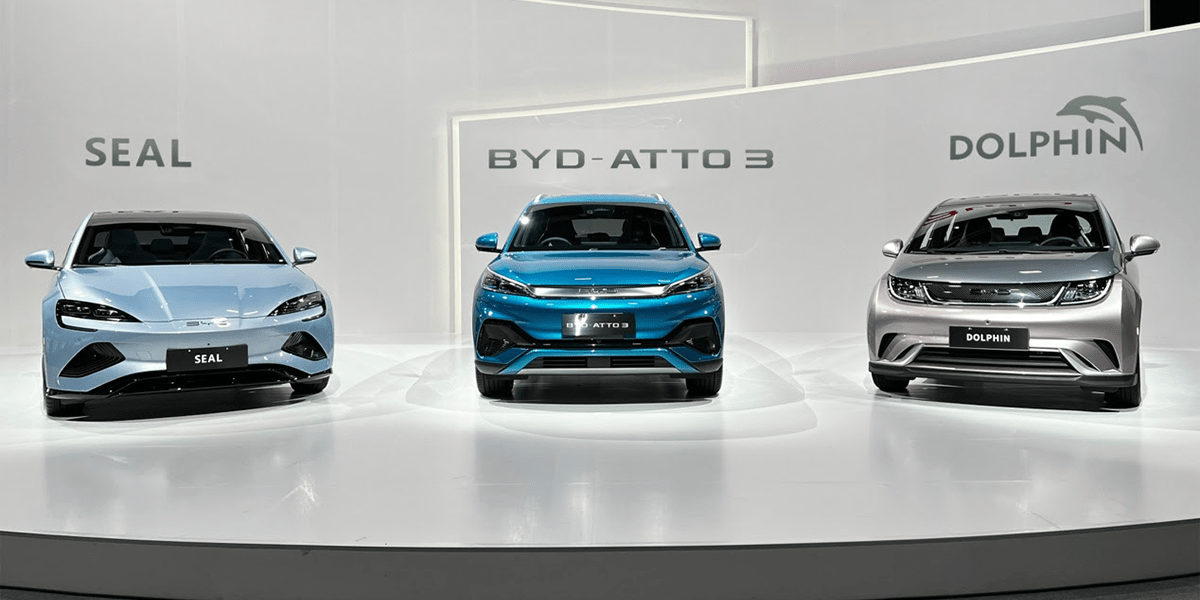
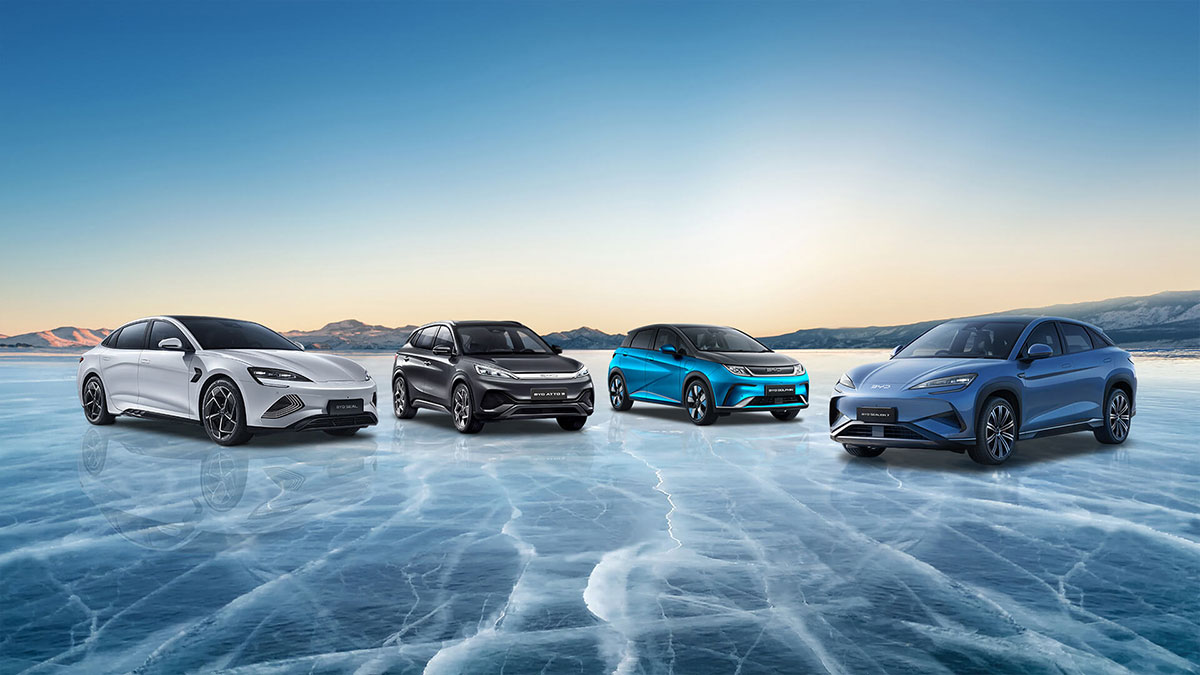
More than two years after entering Japan, BYD Co. is still grappling to win over local drivers, selling just 5,300 vehicles between January 2023 and June 2025 despite expanding its retail footprint and lineup, Bloomberg reported.
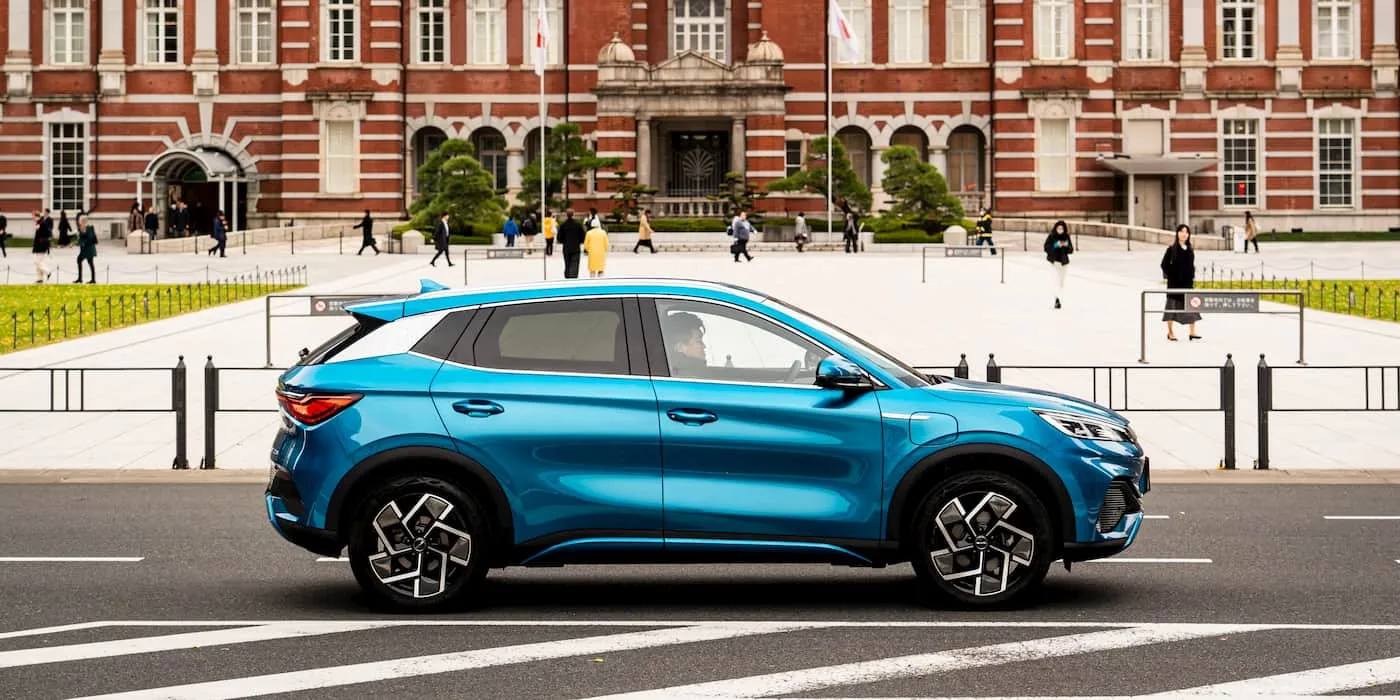
The Chinese automaker has opened 45 outlets in the country and introduced a fourth model, with plans to debut an electric kei car in late 2026. But demand has remained subdued, prompting BYD to turn to discounts of up to ¥1 million ($6,700), Bloomberg said. Combined with government subsidies, the cuts can halve sticker prices, with its Atto 3 crossover starting at just under ¥4.2 million.
See also: BYD Breaks into Japan’s Top 10 Imported Car Brands as Sealion 7 Boosts Sales
While discounting has helped BYD dominate China’s EV market, the strategy could hurt its prospects in Japan, Bloomberg Intelligence senior auto analyst Tatsuo Yoshida told Bloomberg. “The moves may backfire … making early buyers feel duped and hurting resale values,” he said. He added, “Winning Japan isn’t the point; leaving a mark is. Earning even a sliver of recognition from the most demanding customers in the world matters for BYD.”
Japan remains a difficult market for foreign automakers, with consumers showing strong loyalty to domestic brands and a preference for hybrids over battery EVs. General Motors and Ford have struggled for decades, while Hyundai re-entered the market after exiting in 2009. In June, BYD sold 512 units across all models, compared with 1,137 for Nissan’s Sakura, Japan’s top-selling EV — a gap Yoshida told Bloomberg may be insufficient to sustain operations.
See also: BYD to Launch Affordable Mini EV in Japan by 2026, Targeting Kei Car Market
Despite near-term hurdles, analysts expect long-term growth. BloombergNEF forecasts EVs will account for 3.4% of new car sales in Japan this year, with adoption rising in the coming years. Rivals are moving in as well: Honda recently debuted its first compact passenger EV, while Toyota and Suzuki plan to launch a kei-class model later this year.