
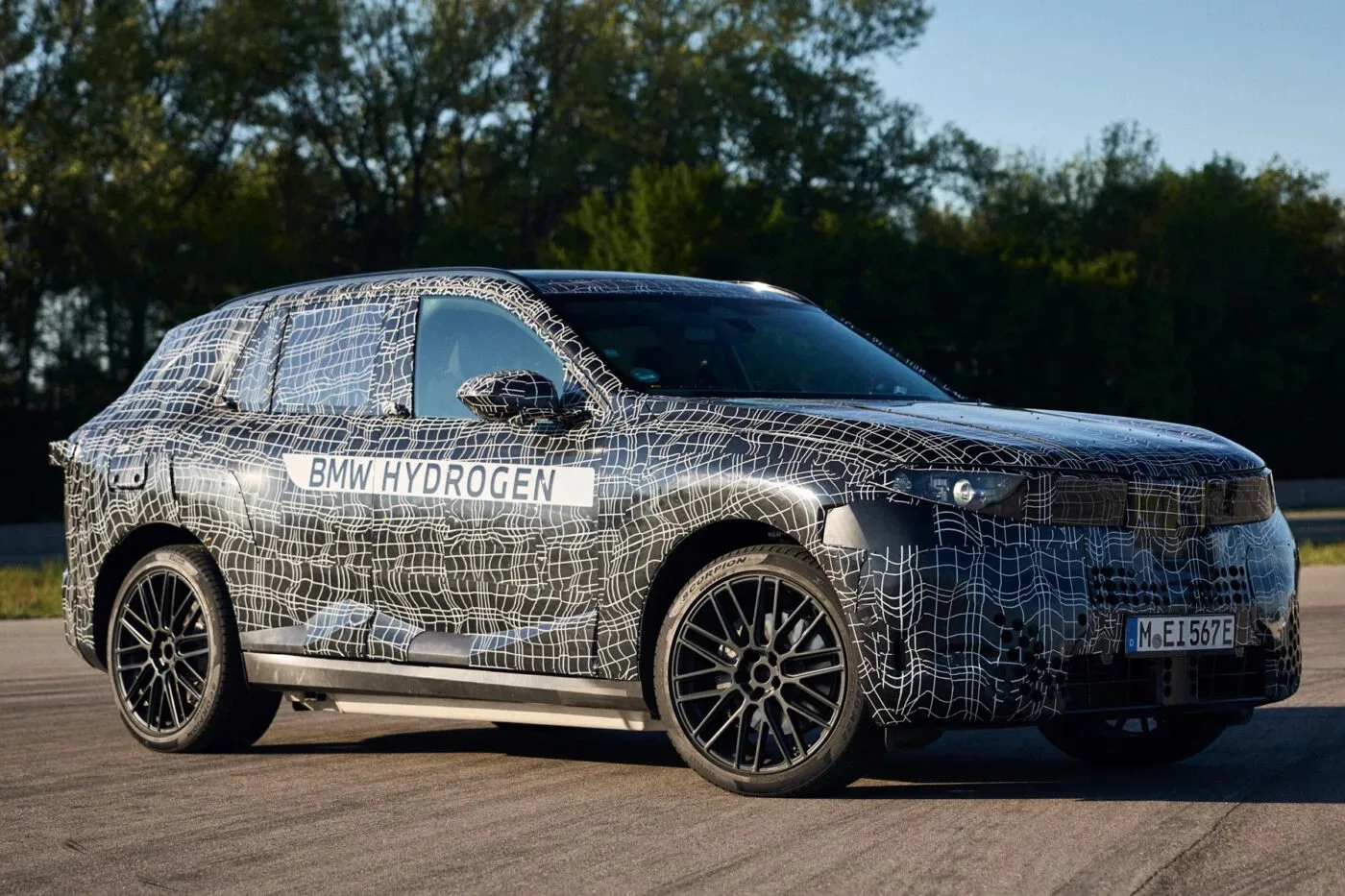
BMW said it will introduce a hydrogen fuel cell version of its next-generation X5 sport utility vehicle in 2028, confirming for the first time that the long-anticipated technology will be incorporated into the model line rather than a standalone vehicle.
The new X5 line-up will include petrol, diesel, plug-in hybrid, battery-electric and hydrogen fuel cell variants, the German automaker said. The hydrogen model will build on lessons from its 100-vehicle iX5 Hydrogen pilot fleet, which has been in testing since 2023.
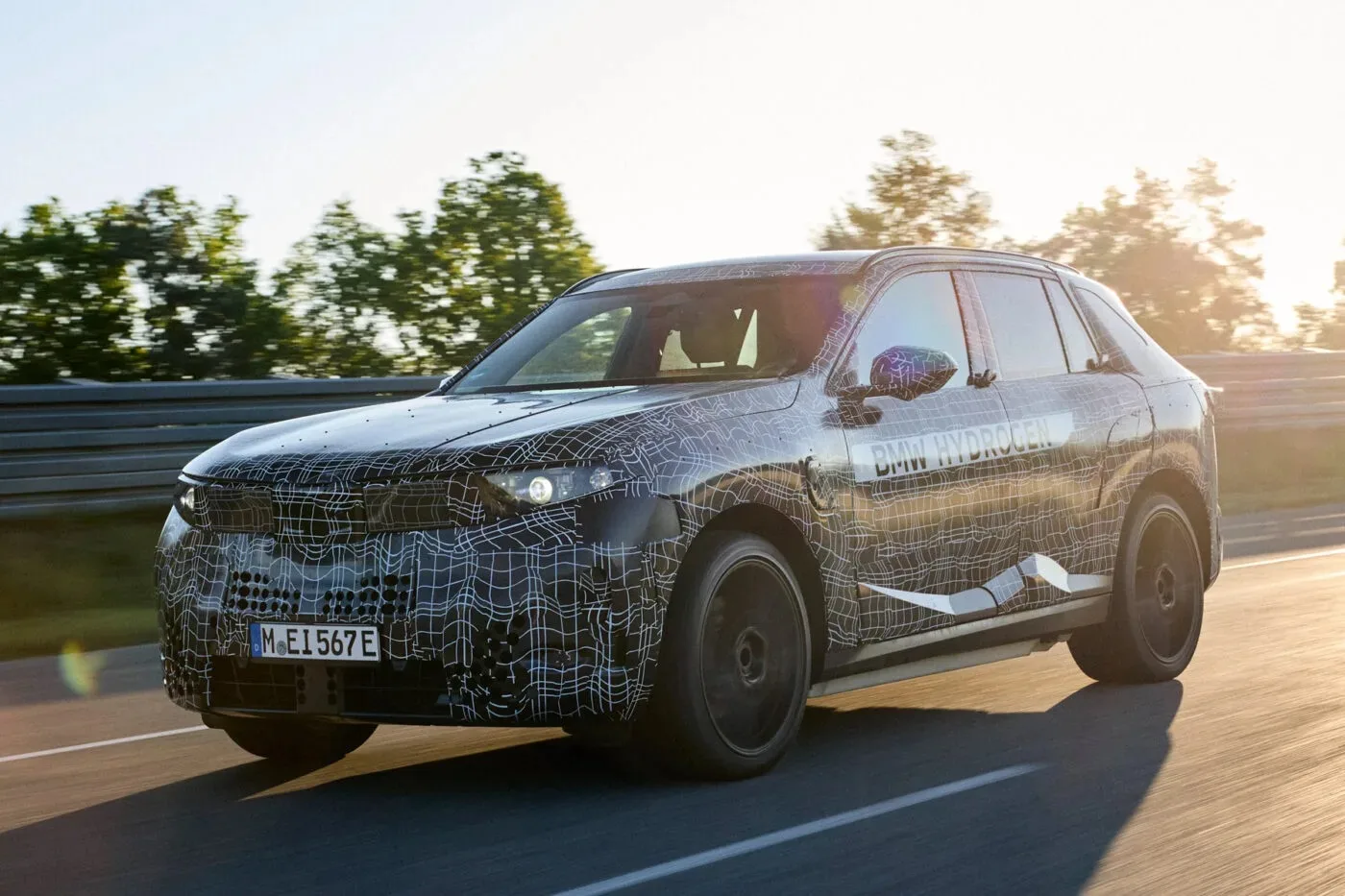
“By launching the new BMW X5 with a choice of five drive system variants, we are once again demonstrating our leading position as a technology pioneer,” said Joachim Post, Member of the Board of Management of BMW AG. “Hydrogen has an essential part to play in global decarbonisation, which is why we are committed to driving the technology forward.”
The upcoming vehicle will use BMW’s third-generation fuel cell drive, developed in collaboration with Toyota. Earlier versions relied more heavily on Toyota components, but the latest system is being co-developed for use in both passenger cars and commercial vehicles.
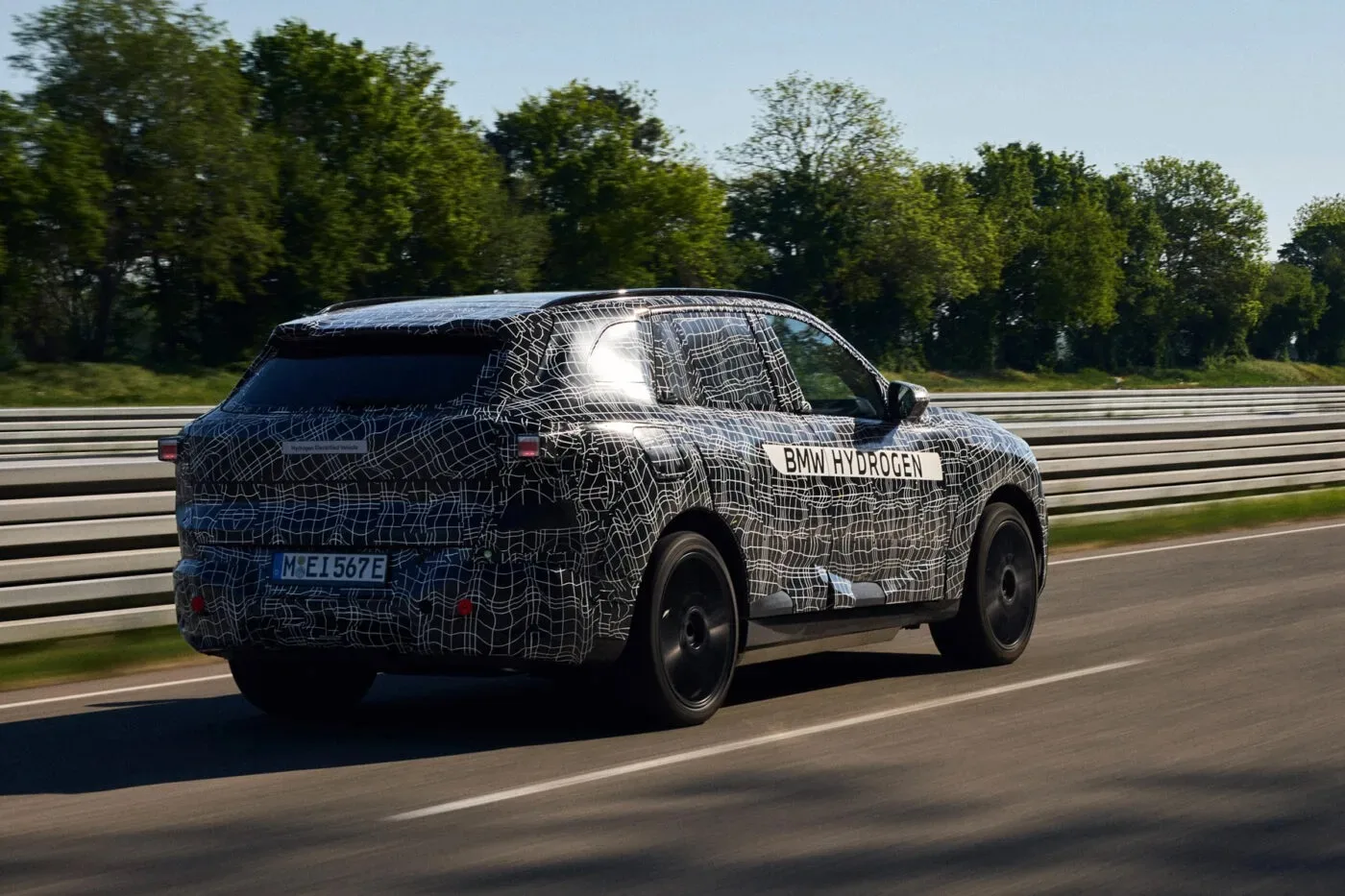
BMW will manufacture much of the system in Bavaria and Austria, including at competence centres in Munich and Steyr, while its Landshut plant will supply key components. The X5 itself will continue to be assembled at BMW’s Spartanburg plant in South Carolina.
Alongside development of the iX5 Hydrogen, BMW has launched the “Hydrogen Mobility at Scale” (HyMoS) initiative with partners to advance refuelling infrastructure. The project aims to pool demand from passenger cars, buses and trucks to improve hydrogen station utilisation and cost efficiency.
BMW said the initiative is designed to support “existing hydrogen ecosystem projects in achieving their full potential by sharing experiences across projects and providing ground support of its industry partners.”