
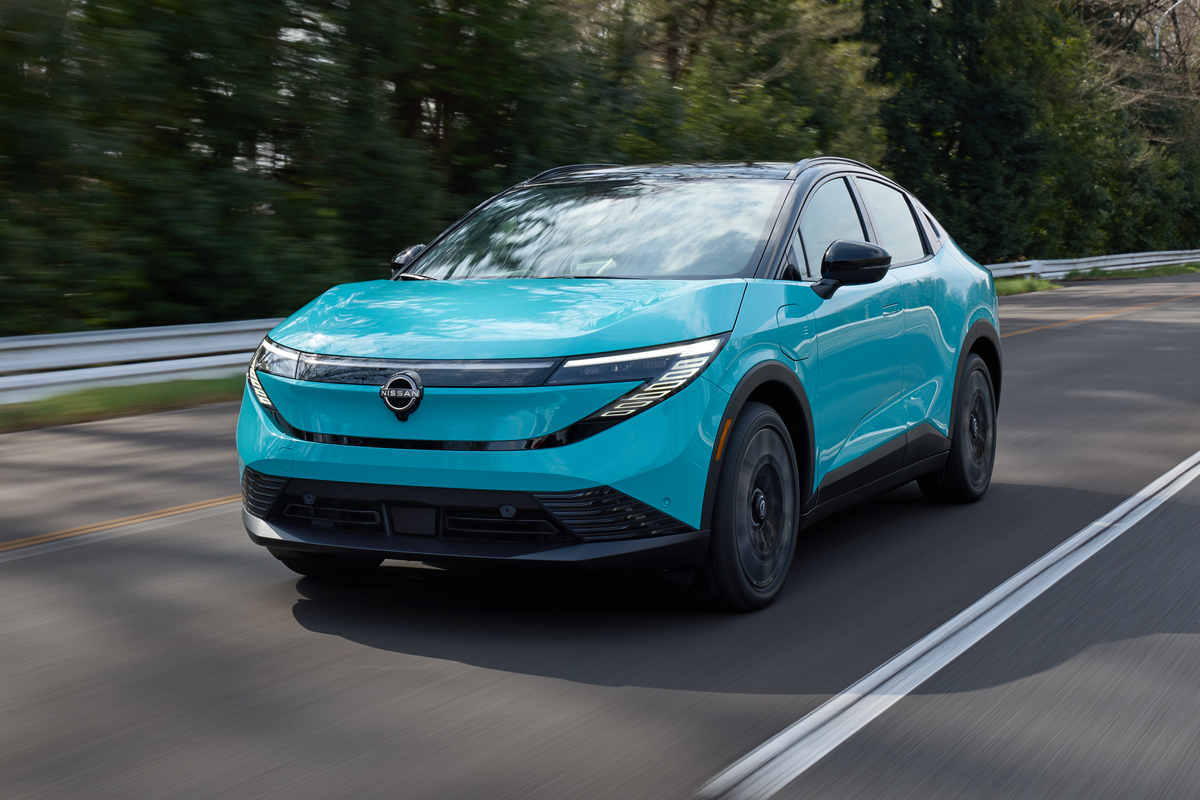
Nissan has lowered its production plan for the upcoming LEAF electric vehicle for the September to November period due to delays in battery procurement, the Nikkei business daily reported on Tuesday.
The revision was linked to lower-than-expected battery yields at a Nissan affiliate, according to the report. The Nikkei did not specify the original or updated production numbers but said output at the company’s Tochigi plant in eastern Japan would be reduced by several thousand units per month. The plant will manufacture the new LEAF for both the U.S. and Japanese markets.
See also: Dual-Battery Nissan LEAF Limo Travels Nearly 19 Miles Past Zero Range in Test
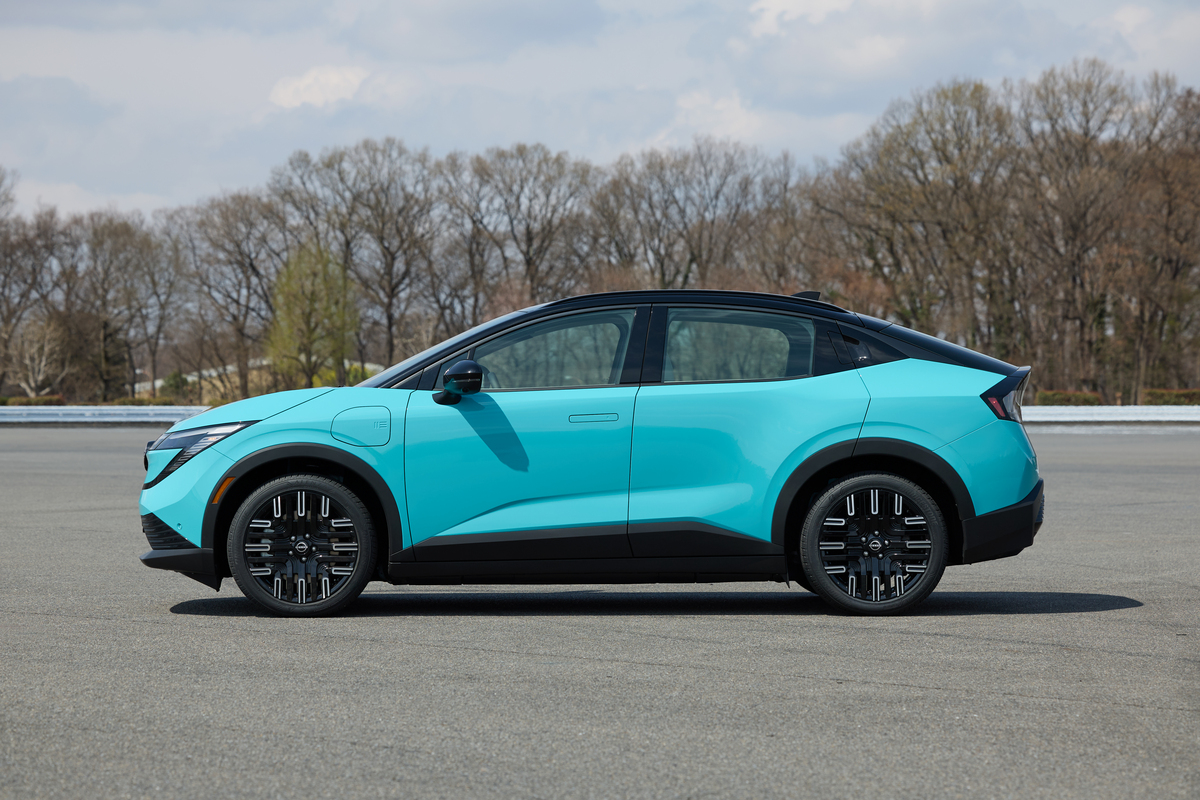
Nissan did not immediately respond to a request for comment. The automaker, once an early leader in the EV segment, is counting on the redesigned LEAF to strengthen its position in a market that has grown more competitive.
The new model, scheduled to launch as a 2026 vehicle, marks the most significant update in the LEAF’s history. The car has been redesigned as a crossover-style EV with a focus on improved efficiency, technology, and everyday usability. It will be offered in three trims—S+, SV+, and Platinum+—all powered by a 75-kWh liquid-cooled battery paired with a single front-mounted motor.
See also: Nissan Prices 2026 LEAF SUV Below $30,000, Keeping It Cheapest EV on the Market
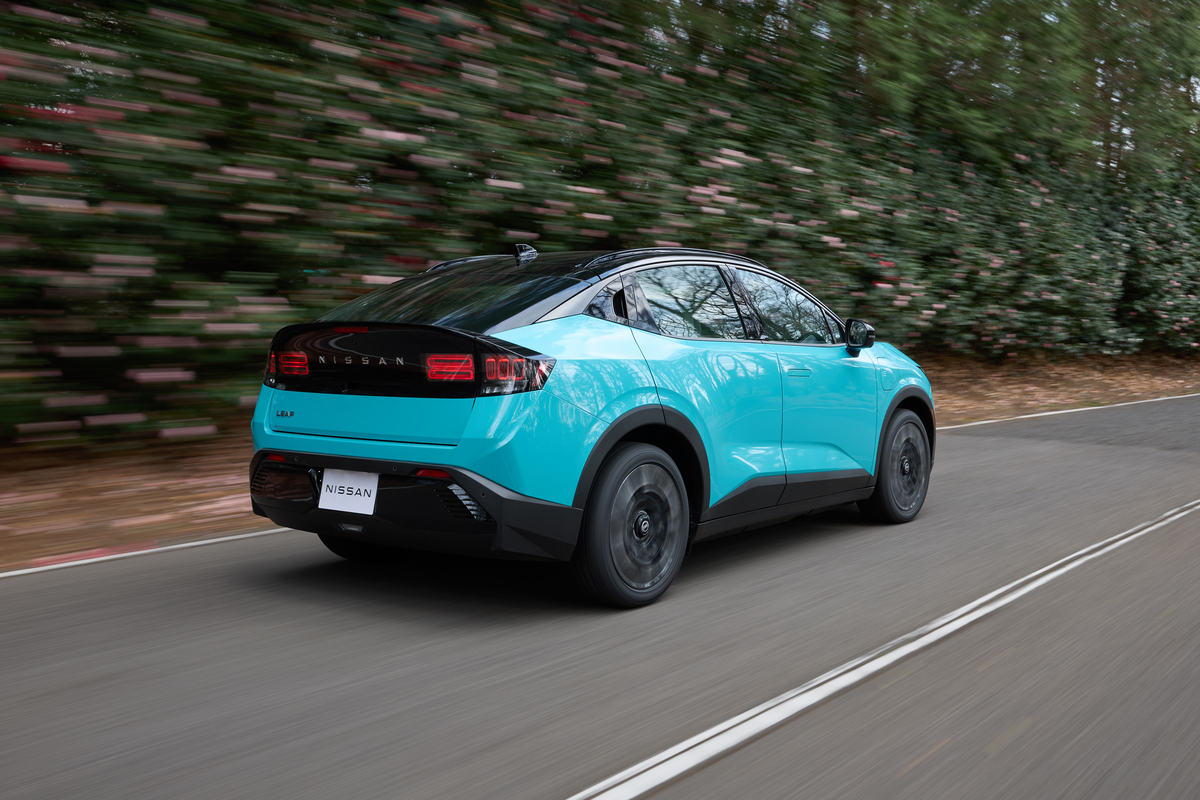
Nissan estimates the top-range version can achieve up to 488 km (303 miles) on a full charge. The LEAF will also support DC fast charging up to 150 kW through a native NACS port, giving buyers access to Tesla’s Supercharger network.