
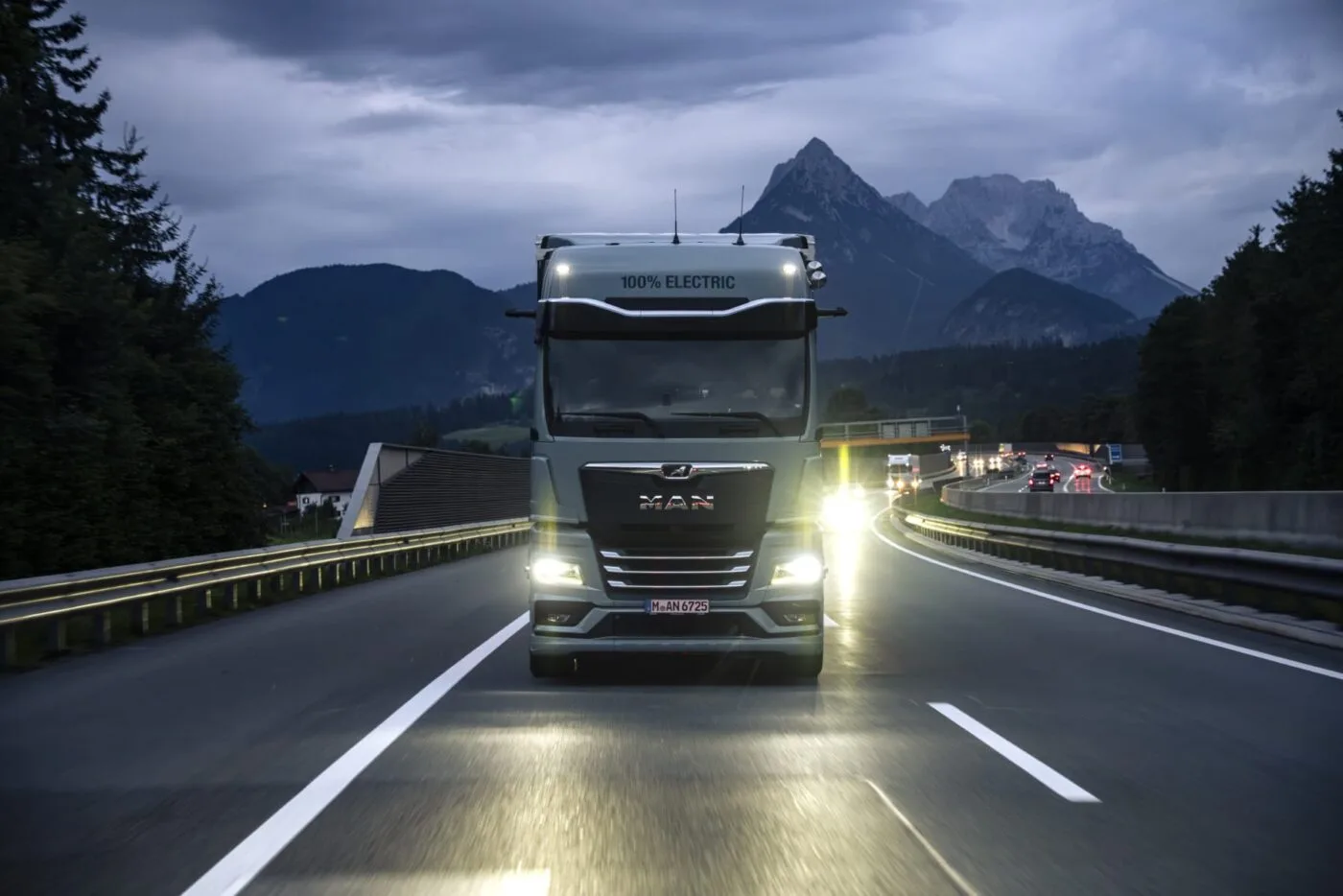
Five of Europe’s seven largest truck manufacturers are set to meet the European Union’s first CO2 reduction target for heavy-duty vehicles ahead of schedule, according to an analysis by the International Council on Clean Transportation (ICCT).
The EU requires a 15% cut in average emissions from new trucks and buses by 2025 compared with 2019 levels. The ICCT report, Within Reach: The 2025 CO2 targets for new heavy-duty vehicles in Europe, found that Scania and Volvo Trucks already exceed the benchmark, while Renault Trucks, DAF and MAN are expected to comply by using accumulated credits and regulatory flexibilities.
By contrast, Iveco and Daimler Truck still face a shortfall. Daimler, which holds 19% of the EU truck market, will need either to improve diesel efficiency or raise the share of zero-emission trucks to 3.4% by 2025, up from 2% in 2024. Iveco is projected to have the toughest path to compliance, requiring both efficiency gains and a higher uptake of electric heavy-duty vehicles.
Manufacturers have so far relied mainly on diesel efficiency to cut emissions. According to European Environment Agency data, fleet averages fell between 6% and 13% from 2019 to 2023, largely due to advances in engines, aerodynamics and tyres. The ICCT noted that other compliance options include transferring credits within corporate groups and using credits earned between 2019 and 2024.
“Scania and Volvo Trucks will comfortably meet the 2025 target, having already reduced their fleet average CO2 emissions by 15% in the 2023 reporting period,” the ICCT researchers said. Scania’s surplus credits are expected to help MAN, its partner within the Traton Group, achieve compliance.
The findings come ahead of a meeting between truckmakers and the European Commission in Brussels on Sept. 11. The 2025 deadline marks the EU’s first mandatory CO2 target for heavy-duty vehicles and follows the adoption of stricter standards in 2024, including a requirement for all new urban buses to be zero-emission by 2035.