
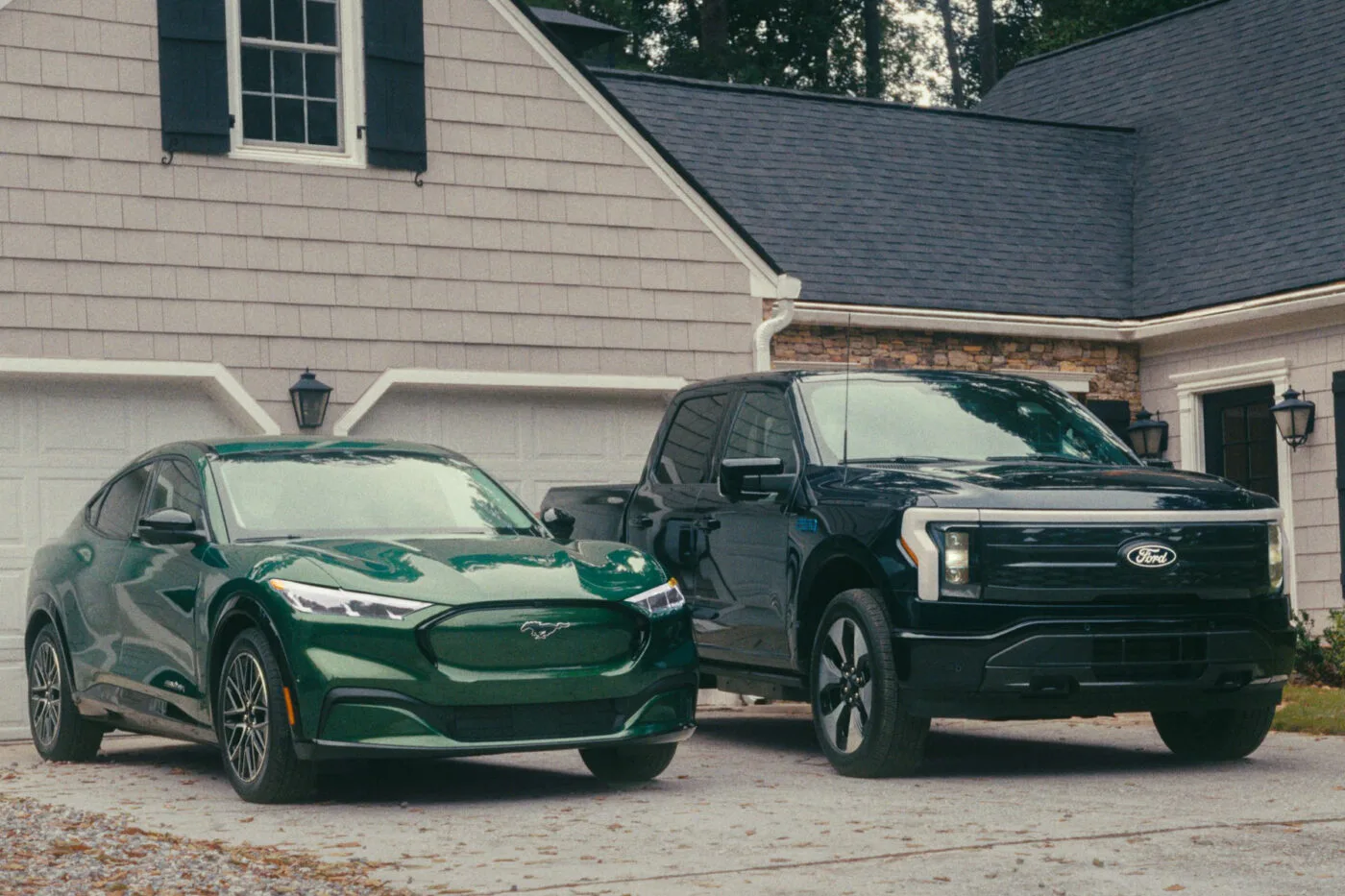
Ford Motor is exploring opportunities to sell excess batteries from its new U.S. facility as the automaker adapts its electric vehicle strategy amid cooling demand and upcoming policy shifts.
BlueOval SK, Ford’s joint venture with South Korea’s SK On, began battery production this week at its Glendale, Kentucky, plant, which will supply the F-150 Lightning pickup. But executives say the plant could take on broader roles.
“Both of our parents are looking for opportunities for new business,” BlueOval SK chief executive Michael Adams told Bloomberg, adding that the priority of finding outside buyers was “fairly high.” Potential customers could include energy storage companies and rival automakers, though no agreements have been finalized. Earlier this year, Bloomberg reported the venture was in talks with Nissan, but neither company has confirmed a deal.
The move comes as Ford’s EV sales fell nearly 10% in the first seven months of 2025 from a year earlier, with the $7,500 U.S. tax credit set to expire at the end of September. BlueOval SK has already cut employment targets at the Kentucky site from 2,500 to 1,450 and paused construction at another Kentucky facility. A third battery plant in Tennessee is still expected to open in 2027, though Ford has delayed production of its next-generation electric pickup until the following year.
Adams said the venture was taking a cautious approach: “We’re in a monitoring phase and just being conservative in what we do in order to make sure that we’re safe.”
Ford has shifted its EV strategy toward more affordable models, underpinned by its new “Ford EV Universal Platform.” The company expects to launch a mid-size electric pickup in 2027 starting around $30,000, powered by lithium-iron-phosphate batteries produced in Michigan using technology licensed from China’s CATL.