
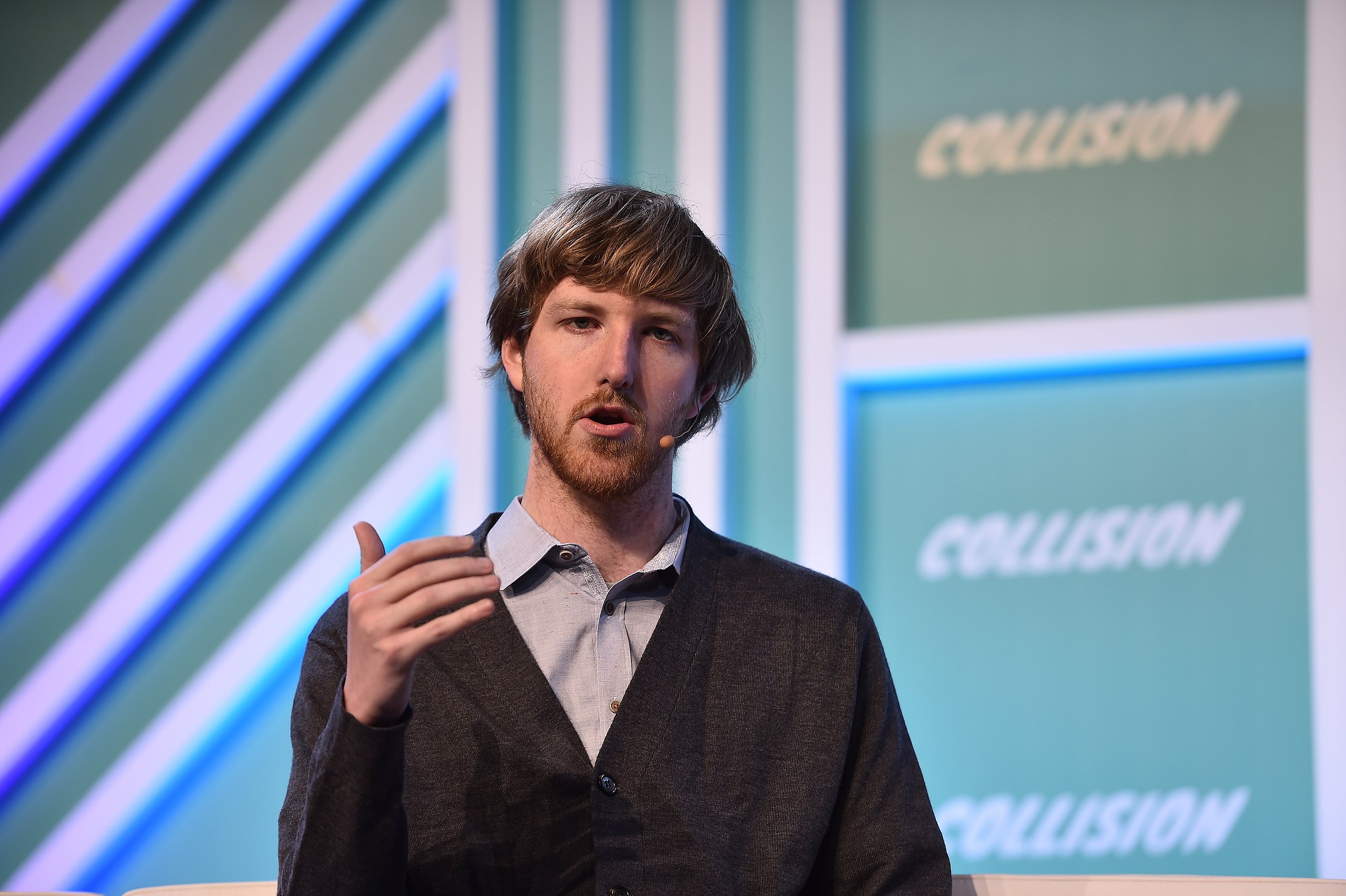
Luminar Technologies said on Wednesday its founder and CEO Austin Russell has resigned from his leadership roles following an internal ethics inquiry, and will be replaced by former Nuance CEO Paul Ricci.
The autonomous vehicle sensor company made the announcement the same day it reported first-quarter earnings. In a separate press release, the board said Russell had stepped down as president, CEO, and chairperson of the board “effective immediately.” The move follows a review by the board’s audit committee into a code of business conduct and ethics matter, though the board said the issue “does not impact any of the company’s financial results.”
Russell, 29, will remain on Luminar’s board and will assist with leadership transition and technology matters. The company did not provide further details on the nature of the ethics inquiry, and Russell could not be reached for comment.
Despite the leadership shakeup, the company’s quarterly earnings materials made no mention of Russell’s departure. In fact, Russell was quoted in the earnings release, describing Luminar’s operational strategy: “In a world of macro uncertainty and adversity, we’re firing on all cylinders to ramp up production, ramp down costs, and capitalize on the future,” he said, referring to the company’s new unified product platform, Halo.
In its statement, Luminar’s board expressed confidence in Ricci, calling him a seasoned executive with the ability to scale innovation. “We are excited to announce Paul as our next CEO,” said board member Matt Simoncini. “He is a visionary leader with a rare combination of technical insight and operational excellence. The Board has full confidence in his leadership.”
Ricci, best known for leading Nuance Communications through its expansion and eventual $19.7 billion acquisition by Microsoft in 2021, will now be tasked with steering Luminar through its next phase of growth amid rising competition in the autonomous vehicle sector.
Russell founded Luminar in 2012 and became a Silicon Valley standout after the company went public via a SPAC merger in 2021, which gave it a post-deal valuation of $3.4 billion. At just 22 years old, he was among the youngest self-made billionaires, having developed lidar technology as a Thiel Fellow — a program that pays students $100,000 to drop out of college and pursue entrepreneurial ventures.
The abrupt leadership transition adds new uncertainty to Luminar’s future at a time when lidar suppliers are facing intensifying pressure to reduce costs and scale production for commercial deployment.