
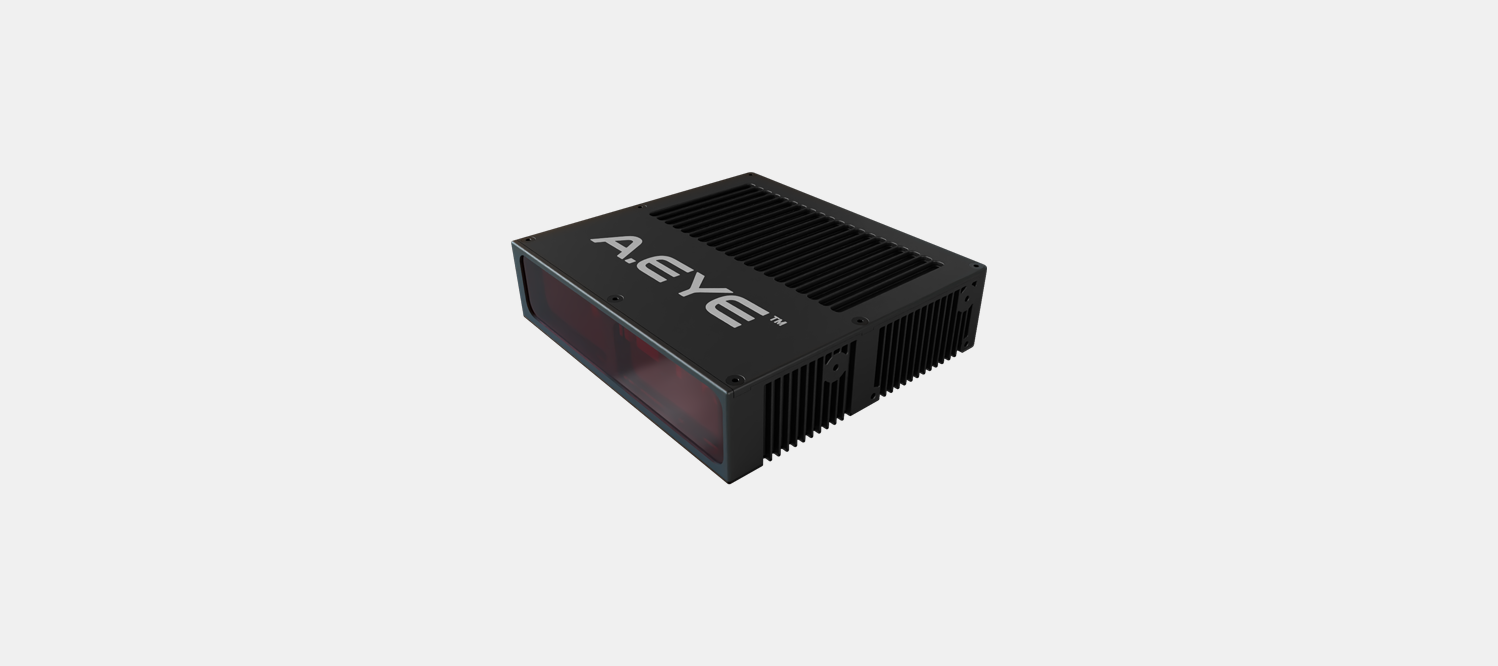
AEye’s Apollo lidar sensor has received the Smart Sensing Technology Innovation Award at the EAC 2026 Zhiyao Awards in Shanghai, highlighting growing industry interest in long-range perception technologies for autonomous and assisted driving systems.
The award was presented during the EAC Automotive Industry Conference and Exhibition and recognizes advancements in intelligent sensing technologies used in advanced driver-assistance systems (ADAS), autonomous vehicles and broader physical artificial intelligence applications.
AEye, a Nasdaq-listed developer of software-defined lidar systems, said the recognition was awarded following a selection process that combined expert panel evaluations with public voting.
The EAC Zhiyao Awards are organized by EAC Automotive together with automotive industry media organizations including Zhiche Hangjia and AUTO Hangjia.
According to the organizers, the awards recognize companies and technologies contributing to the development of intelligent mobility and next-generation vehicle technologies.
Apollo is AEye’s flagship software-defined lidar platform and is designed to detect objects at distances of up to one kilometer while maintaining a compact sensor form factor.
The company positions the technology for use in passenger vehicles, commercial trucks and a range of industrial applications.
In the automotive sector, the sensor is designed for behind-the-windshield integration, allowing manufacturers to incorporate lidar capabilities without major changes to vehicle styling.
Beyond road transport, AEye said Apollo can also be deployed in industries including rail transportation, mining and other environments requiring long-range perception capabilities.
The company said the sensor delivers real-time three-dimensional environmental awareness intended to help vehicles and machines identify, interpret and respond to complex operating conditions.
The award follows previous developments for the Apollo platform, including its integration into NVIDIA’s DRIVE AGX ecosystem, which is used by automakers and technology companies developing autonomous driving and advanced driver-assistance systems.
Matt Fisch, Chairman and Chief Executive Officer of AEye, said the recognition reflects the increasing importance of perception technologies as physical AI systems move into real-world applications.
“We are truly honored to receive this recognition from EAC and the broader intelligent vehicle community in China,” said Matt Fisch, Chairman and Chief Executive Officer of AEye.
“As Physical AI systems continue expanding into real-world transportation environments, perception becomes foundational. Apollo™ was designed to give machines the ability to see farther, understand more, and react sooner,” Fisch added.
LiDAR technology has become a key component in many autonomous driving and advanced safety systems, providing detailed environmental mapping and object detection capabilities that complement cameras and radar sensors.
Manufacturers continue to invest in longer-range and more compact lidar systems as the automotive industry advances toward higher levels of driving automation.
The recognition of Apollo at the EAC 2026 Zhiyao Awards underscores the growing role of sensing technologies in supporting the development of intelligent vehicles and other autonomous systems across transportation and industrial sectors.
As demand for advanced perception solutions expands, companies are increasingly focusing on improving sensor performance, integration flexibility and real-time data processing capabilities to support next-generation mobility applications.