
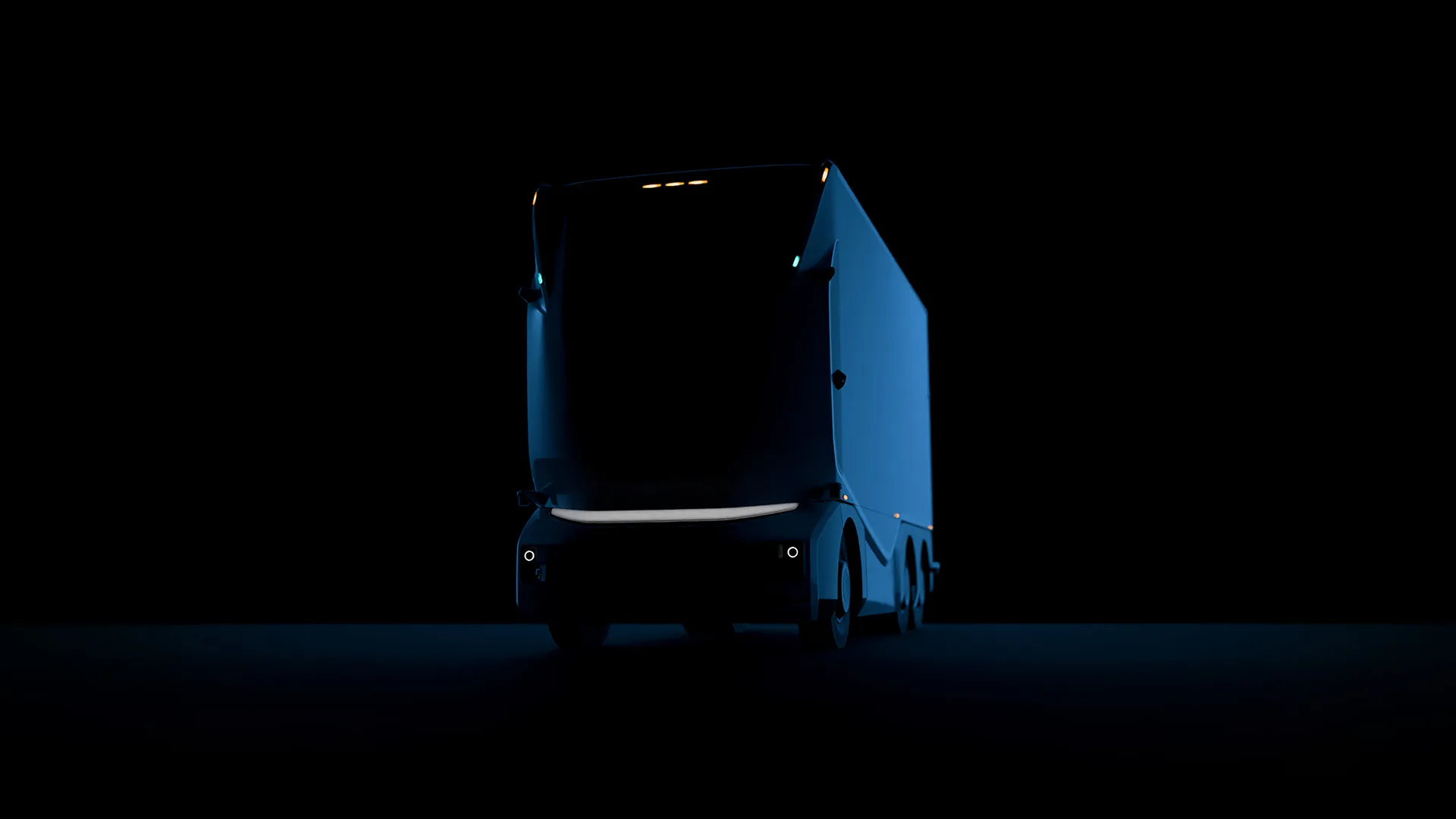
Einride has appointed TÜV SÜD to conduct an independent assessment of the Safety Management System that governs the development and operation of its autonomous freight technology, as regulators increasingly focus on organizational safety oversight alongside vehicle performance.
The Swedish freight technology company announced the engagement on Wednesday, describing it as a step beyond traditional product audits toward a broader evaluation of how safety is managed across the organization.
The review will focus on Einride’s Safety Governance Model, which forms the organizational foundation of the company’s Safety Management System. The assessment will examine how the company maintains its living safety case, evaluates modifications to autonomous technology and operations, and assigns safety responsibilities throughout the organization.
According to Einride, the assessment is intended to measure the robustness and maturity of its processes against emerging regulatory requirements and industry standards in key global markets.
Benjamin Koller, Head of Connected Autonomous Mobility at TÜV SÜD, said the review will be based on documented evidence and recognized industry benchmarks.
“The objective is to evaluate the robustness and maturity of the defined processes and to provide an independent assessment based on documented evidence,” said Benjamin Koller, Head of Connected Autonomous Mobility at TÜV SÜD.
The assessment reflects growing attention from regulators to governance structures supporting autonomous vehicle deployments, particularly as commercial operations expand beyond pilot projects.
Unlike traditional vehicle audits that focus on specific hardware or software releases, the review targets the systems and procedures used to manage safety throughout the lifecycle of autonomous operations.
Once completed, the assessment is expected to provide regulators with independent verification that Einride’s methodology for evaluating and managing safety-related changes has itself undergone external scrutiny.
Einride said its autonomous technology is developed in accordance with several internationally recognized standards, including UL 4600 for autonomous system safety cases, ISO 26262 for automotive functional safety, and ISO 21448, commonly known as Safety of the Intended Functionality (SOTIF).
The company’s autonomous driving platform, known as Einride Driver, combines machine learning-based navigation with a separate deterministic safety layer designed to independently verify driving decisions.
The system also incorporates a redundant sensor suite using LiDAR, radar and camera technologies.
According to Einride, performance validation includes simulation testing, hardware-in-the-loop and vehicle-in-the-loop testing, proving-ground evaluations and site acceptance testing before commercial deployment.
Roozbeh Charli, Chief Executive Officer of Einride, said the assessment reflects the company’s long-term approach to autonomous trucking safety.
“This engagement demonstrates that our governance is built for where the autonomous trucking industry is heading rather than where it has been,” said Roozbeh Charli, Chief Executive Officer of Einride.
The review comes as governments across North America, Europe and the Middle East continue developing regulatory frameworks for autonomous vehicle deployment.
Einride has expanded its autonomous freight activities in several markets, including a testing corridor in Texas along State Highway 130 between Austin and San Antonio.
The company believes independently assessed safety governance will become increasingly important as commercial autonomous trucking operations scale and regulatory oversight evolves.
The TÜV SÜD engagement also comes ahead of Einride’s planned public market debut.
In November 2025, the company announced a business combination agreement with Legato Merger Corp. III. Subject to customary closing conditions, the transaction is expected to result in Einride listing American Depositary Shares on the Nasdaq under the ticker symbol ENRD during the second quarter of 2026.
The initiative highlights a broader trend within the autonomous vehicle sector, where companies are increasingly seeking independent validation not only of vehicle technology but also of the organizational processes responsible for managing safety as autonomous systems move closer to large-scale commercial deployment.