
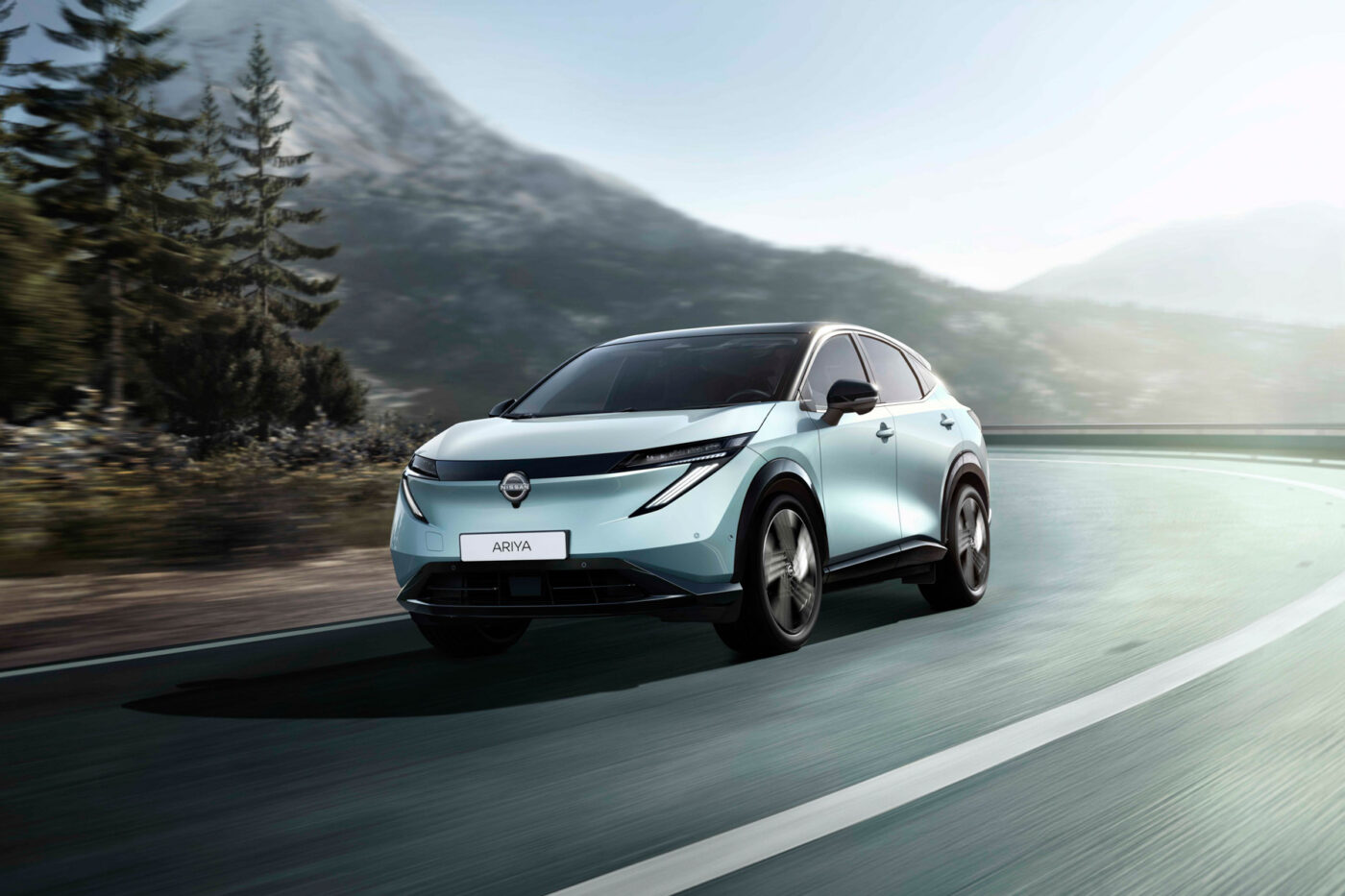
Nissan has introduced updates for the 2026 model year of the Nissan Ariya, adding new connectivity features, Vehicle-to-Load capability and subtle design revisions while maintaining its position in the premium end of the mid-size electric SUV segment.
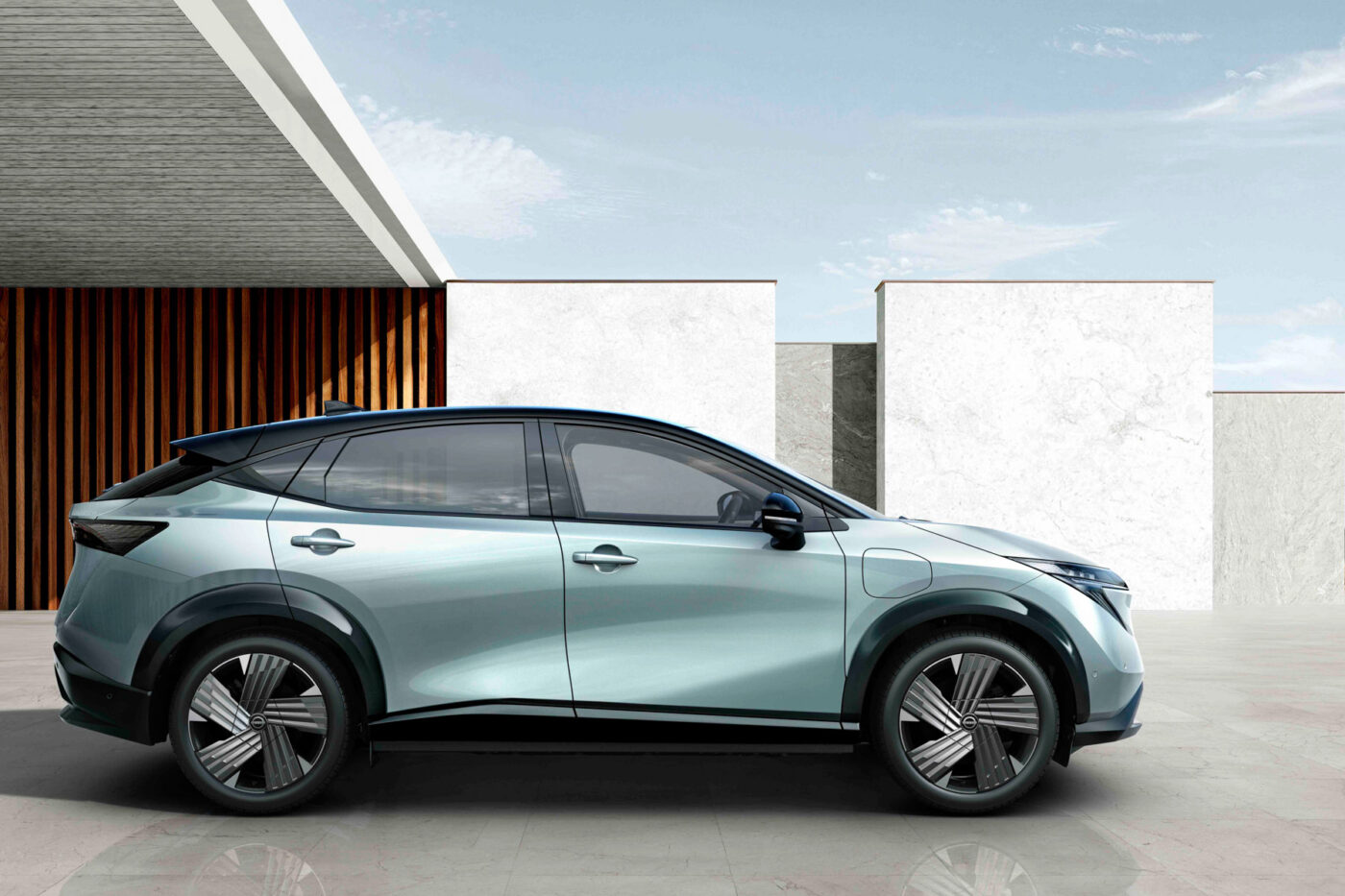
The updated Ariya retains the overall styling of the current model, with Nissan making only modest exterior adjustments. The front grille is now finished in body colour, replacing part of the larger black front-panel design used previously.
The automaker also revised the lighting signature and redesigned the standard 20-inch alloy wheels, which combine aluminium and plastic components. A new exterior paint option called “Plasma Green” has also been added.
See also: Nissan to Shut One Production Line at Sunderland Plant Amid European Restructuring
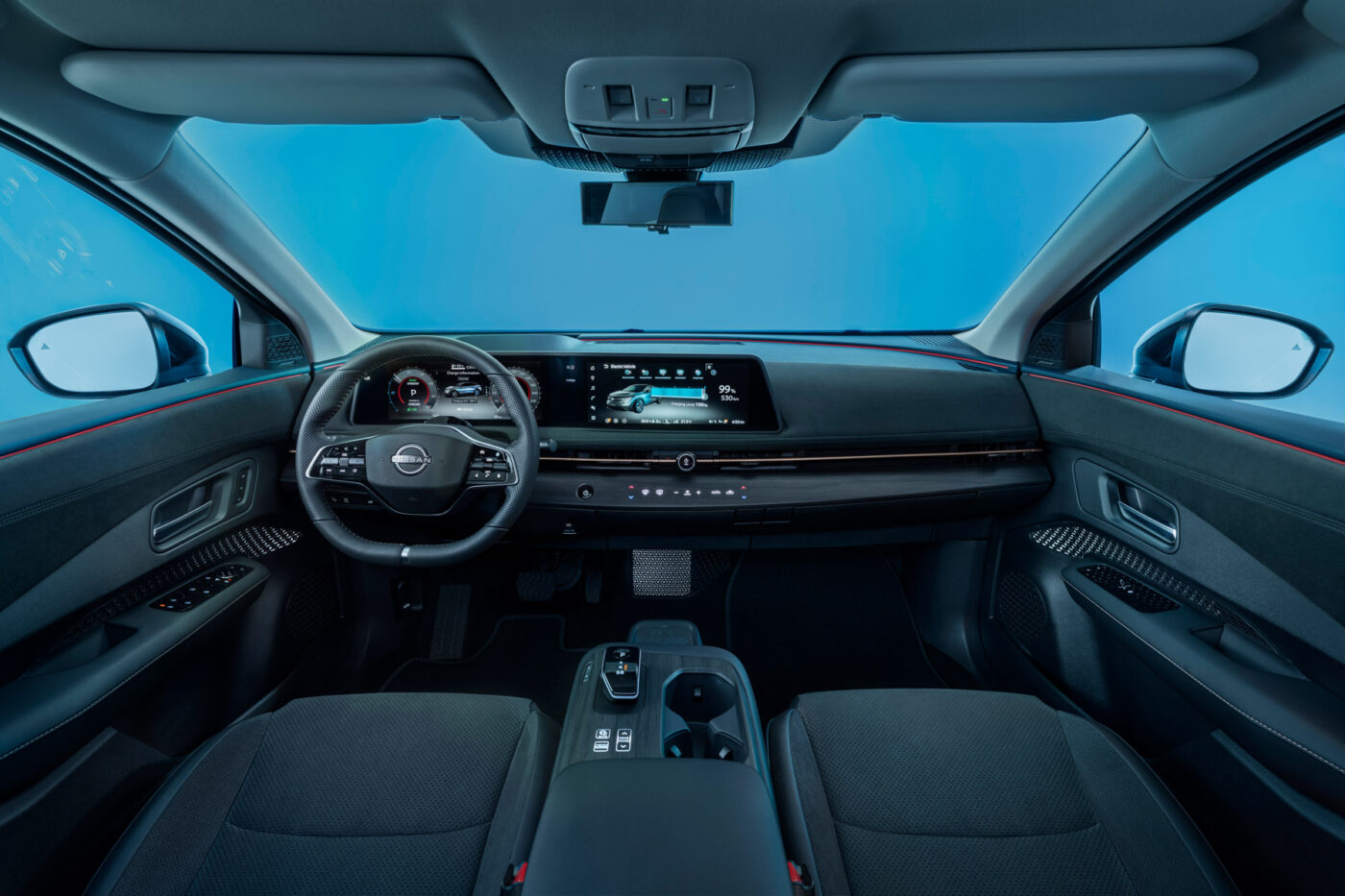
Inside the cabin, Nissan redesigned the centre console to provide an additional 3.8 litres of storage space. The wireless smartphone charging pad now delivers up to 15 watts of charging power and includes an integrated cooling system.
The company also repositioned the USB-C charging ports for improved accessibility and expanded the ambient lighting system to offer 64 colour options.
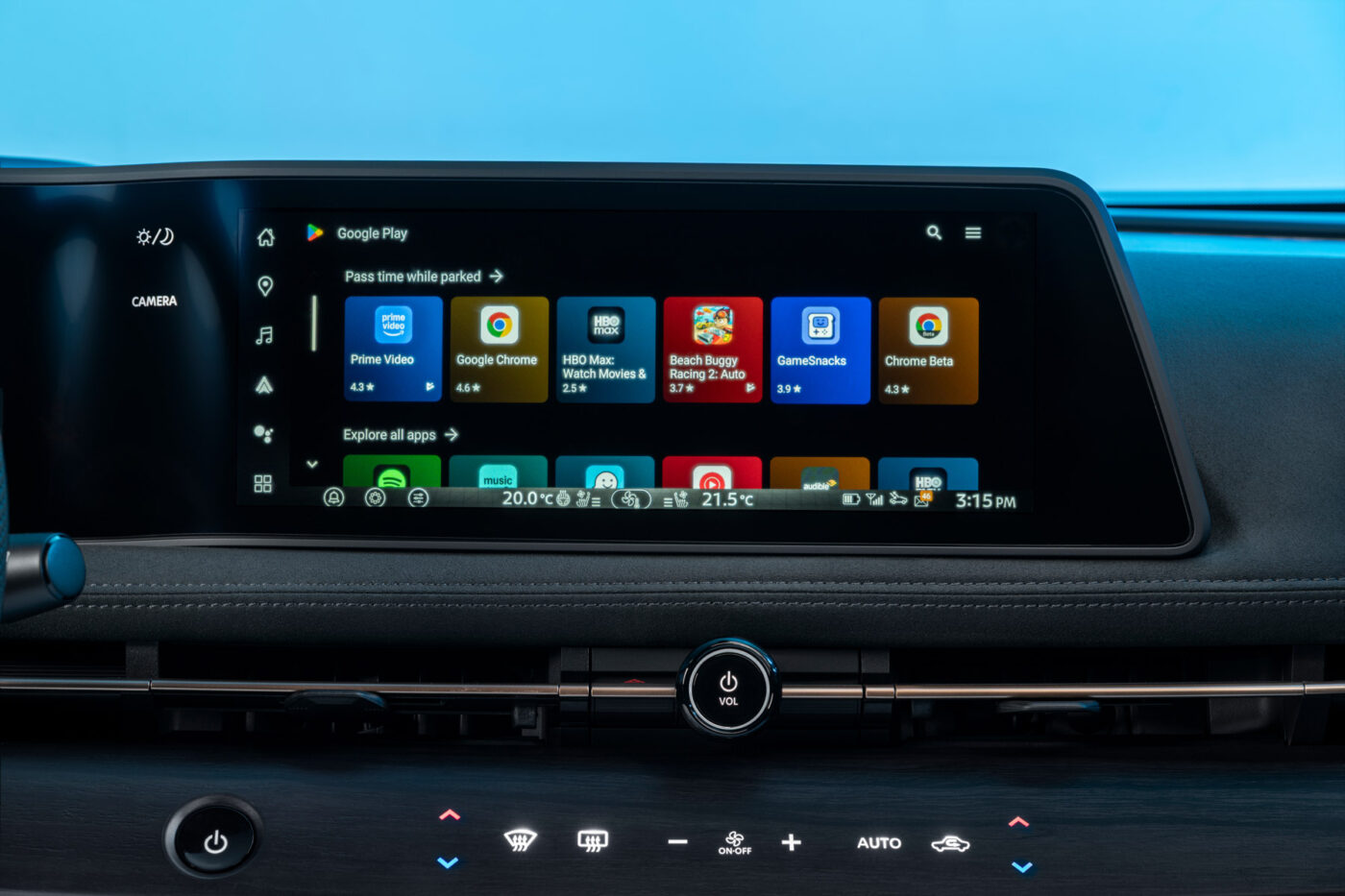
The Ariya now integrates Google services more deeply into the vehicle’s infotainment system, similar to the updated Nissan Micra.
See also: Dongfeng Nissan Launches NX8 SUV With BEV and EREV Options in China
Drivers can access navigation functions through Google Maps using voice commands such as “Hey, Google.” Nissan said the system can automatically plan charging stops and precondition the battery before arriving at charging stations to optimise charging performance.
A head-up display is now included as standard equipment across the lineup.
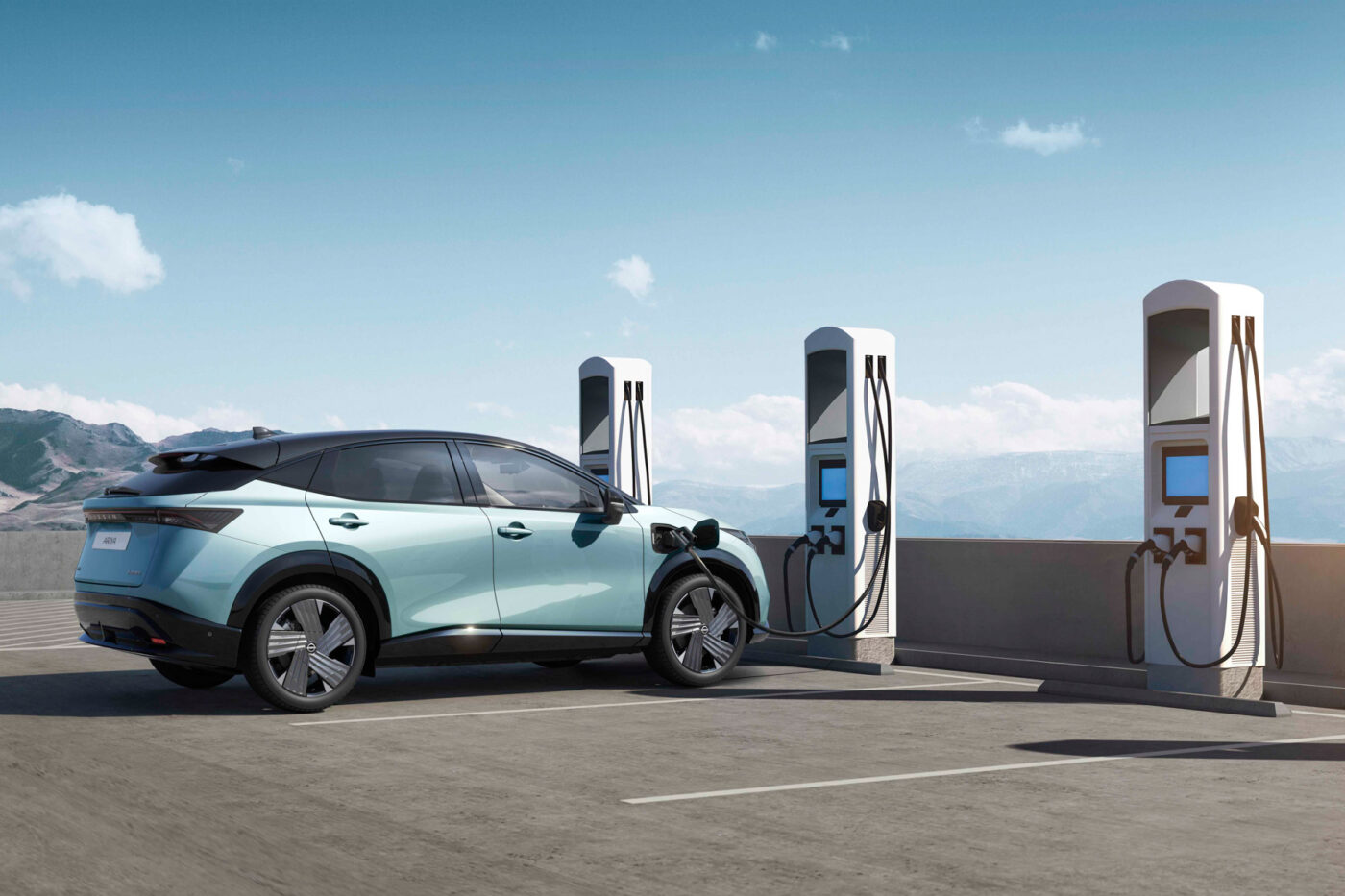
Nissan did not introduce changes to the Ariya’s charging speeds or battery specifications. The SUV continues to support AC charging at up to 11 kW and DC fast charging at up to 130 kW.
However, all versions of the Ariya now include Vehicle-to-Load capability as standard. The V2L system enables the vehicle to supply power to external electrical devices at up to 3.7 kW.
See also: Repurposed Nissan LEAF Batteries Used in 300 kWh Energy Storage System at Port of Vigo
Nissan said the feature could support applications including outdoor activities and backup power functions where permitted.
The automaker also revised the suspension setup, retuning the springs and dampers to improve ride comfort, stability and vibration control.
The ProPilot driver assistance system has additionally been updated with more responsive braking and acceleration functions. Nissan said the system can now also prevent overtaking manoeuvres in areas where passing is prohibited.
The Around View camera system has also been upgraded, allowing drivers to store up to 40 locations where the front camera activates automatically for improved visibility in tight spaces or at driveways.
Pricing for the updated Ariya in Germany starts at 58,840 euros for the front-wheel-drive version equipped with the 87-kWh battery and a 178-kW powertrain.
See also: Nissan LEAF Robotaxi Pilot Planned in Tokyo Through Wayve and Uber Partnership
The all-wheel-drive Nissan Ariya e-4ORCE variant producing 225 kW starts at 63,840 euros.
Nissan’s latest announcement no longer references the smaller 63-kWh battery version that had previously started at 43,490 euros in Germany.
Even compared with the earlier 87-kWh configuration, the updated model has become more expensive. The prior Ariya Evolve Pack with the same drivetrain had started at 56,490 euros.