
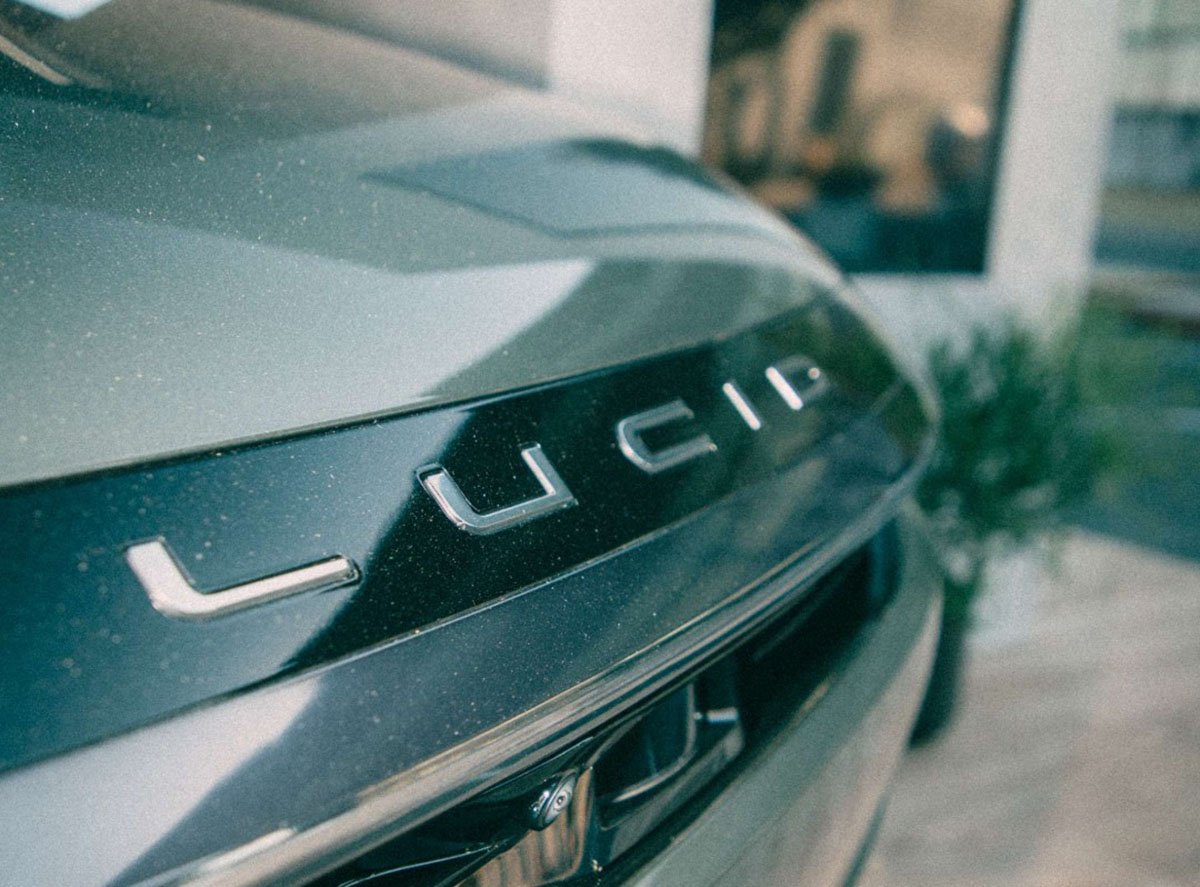
Lucid Motors has withdrawn its annual production guidance for 2026 after supplier issues disrupted deliveries and revenue during the first quarter, prompting the company to reassess its outlook under newly appointed chief executive Silvio Napoli.
The California-based electric vehicle maker said problems involving seats for its second model, the Lucid Gravity, significantly affected deliveries during the quarter.
Lucid produced 5,500 vehicles during the first three months of 2026, representing a 149% increase compared with the same period a year earlier.
However, deliveries totaled 3,093 vehicles, slightly below the 3,109 units delivered in the first quarter of 2025.
The company said the seat supplier issue has now been resolved. Lucid added that deliveries in March rose 14% year-on-year as production conditions improved and customer demand strengthened.
The automaker said order intake in United States and Canada surged 144% in March compared with February, although it did not disclose exact order volumes.
Revenue increased 20% year-on-year to $282.5 million during the quarter but fell well below analysts’ expectations of approximately $440.4 million, according to Reuters.
Meanwhile, Lucid’s net loss widened sharply to $1.13 billion from $731 million a year earlier.
The results triggered a decline in investor confidence, with Lucid shares falling as much as 8% following the earnings release.
Before suspending its guidance, Lucid had forecast production of between 25,000 and 27,000 vehicles in 2026, compared with 18,378 vehicles produced in 2025.
“With Silvio now on board and conducting his review of the business, we are suspending our prior guidance and will provide a full updated outlook at our second-quarter earnings call,” said Taoufiq Boussaid, chief financial officer of Lucid Motors.
Boussaid said the company strengthened its financial position during the quarter through new funding and expanded partnerships.
“We strengthened our balance sheet with over $1 billion in new capital and expanded strategic partnerships that enhance long-term revenue visibility,” he said.
“We ended the quarter with elevated inventory that we expect to convert to revenue and cash as deliveries normalise, while maintaining alignment between production and sales cadence.”