
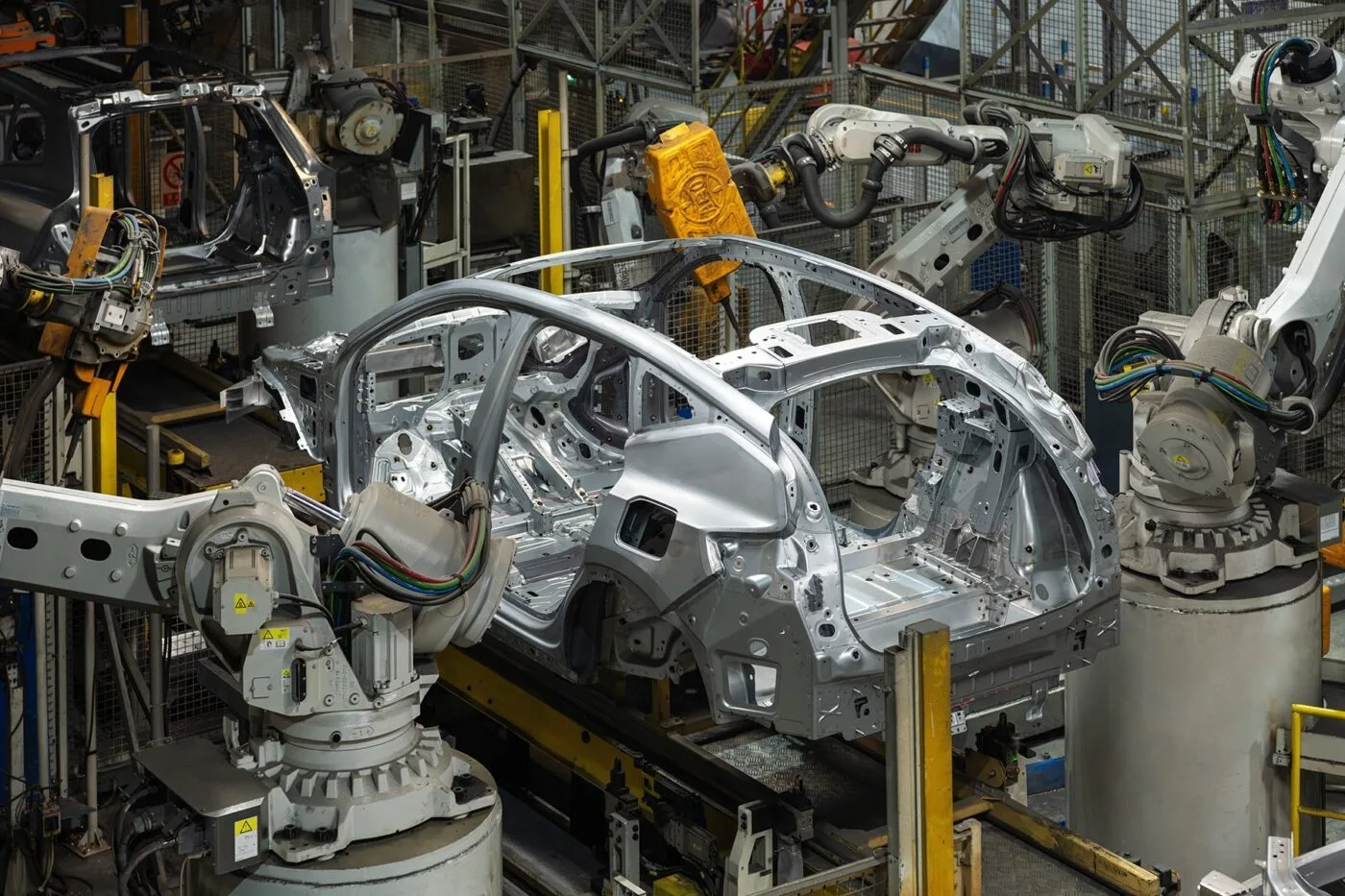
Swedish automaker Volvo Cars and its electric vehicle affiliate Polestar plan to consolidate global production of the Polestar 3 electric SUV in the United States, ending parallel manufacturing in China.
The companies said the Polestar 3, previously produced in both Chengdu and the US, will in future be built exclusively at Volvo’s Ridgeville plant near Charleston, South Carolina. Production in Chengdu, China, where the model has been manufactured since early 2024, will be phased out.
Volvo Cars and Polestar did not provide explicit reasons for the shift, but Volvo indicated the move is aimed at strengthening the strategic role of its US manufacturing base. The decision is also likely linked to cost efficiencies and the impact of tariffs on Chinese-made electric vehicles exported to key global markets.
The Ridgeville facility is already a central production hub for Volvo’s fully electric Volvo EX90, which shares the SPA2 platform with the Polestar 3. Consolidating production at a single site is expected to streamline operations and improve efficiency.
Håkan Samuelsson, CEO of Volvo Cars, said: “Consolidating global Polestar 3 production in Charleston enhances efficiency for both companies and underscores our confidence in the plant and its role in our production structure. The US is a very important market for Volvo Cars, both to support our growth ambitions as well as a strategic production site to meet regional and export demands.”
The move comes as Volvo expands its US manufacturing footprint. The company plans to begin production of the Volvo XC60 in South Carolina, alongside introducing a next-generation hybrid model before 2030, reflecting a continued role for hybrid vehicles in its lineup.
Volvo Cars has invested approximately $1.3 billion in the South Carolina plant over the past decade. The facility has an annual production capacity of 150,000 vehicles and is expected to play a key role in the company’s global manufacturing strategy alongside its operations in Europe and China.
The shift underscores a broader trend among automakers to regionalize production and adapt to evolving trade policies, while focusing on models and markets that offer stronger profitability prospects.