
BYD has secured a 2.6 GWh energy storage order for a solar-plus-storage project in Chile, as the company continues to expand its global energy storage business.
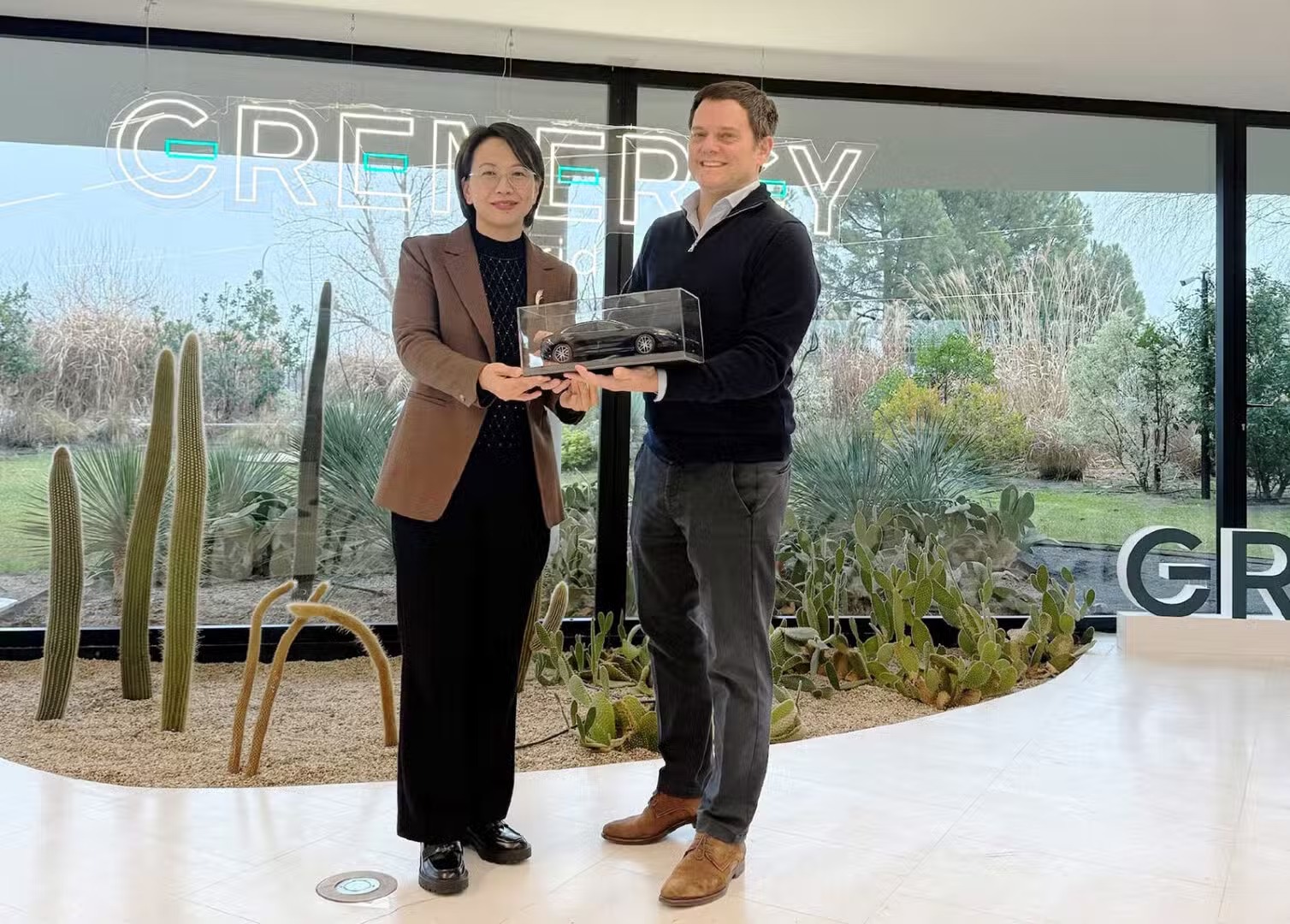
The Shenzhen-based group is partnering with Grenergy to supply 468 MC Cube-T energy storage systems for the Central Oasis project in central Chile, according to a company statement issued on March 27.
The project, which spans four power stations—Gran Teno, Tamango, Planchón and Monte Águila—forms part of a broader regional energy network. It has a total storage capacity of 4 GWh and a photovoltaic installed capacity of 1.1 GW, with an estimated investment of around $900 million.
BYD said the project is scheduled to become fully operational between 2026 and 2027 and is designed to replicate the integrated solar-and-storage model used in the Oasis Atacama project in northern Chile. The system is expected to provide a more stable and clean electricity supply for the region.
A shipment of 168 energy storage units for the Gran Teno station has already been dispatched and is expected to arrive in mid-April, with grid connection planned for the second quarter of this year, the company said.
The deal builds on an existing partnership between BYD and Grenergy. In May 2025, the two companies signed an agreement for 3.5 GWh of storage systems for a later phase of the Oasis Atacama project.
BYD’s energy storage business has expanded rapidly in recent years, with cumulative shipments exceeding 135 GWh as of 2025 and more than 650 projects deployed across over 110 countries and regions.
Separately, the company is seeking to accelerate its international expansion in the electric vehicle sector. It is targeting overseas vehicle sales of 1.5 million units by 2026, according to a report by Bloomberg, which cited people familiar with the matter.
Stella Li, Executive Vice President of BYD Company Limited, said the company is also evaluating plans to establish a manufacturing facility in Canada. “No decision has been made yet,” she told, adding that BYD would prefer to fully own and operate any future plant rather than enter a joint venture.
BYD reported a decline in net profit for 2025, with earnings falling 19% year-on-year to 32.62 billion yuan ($4.72 billion), as intense price competition in China’s new energy vehicle market continued to weigh on margins.