
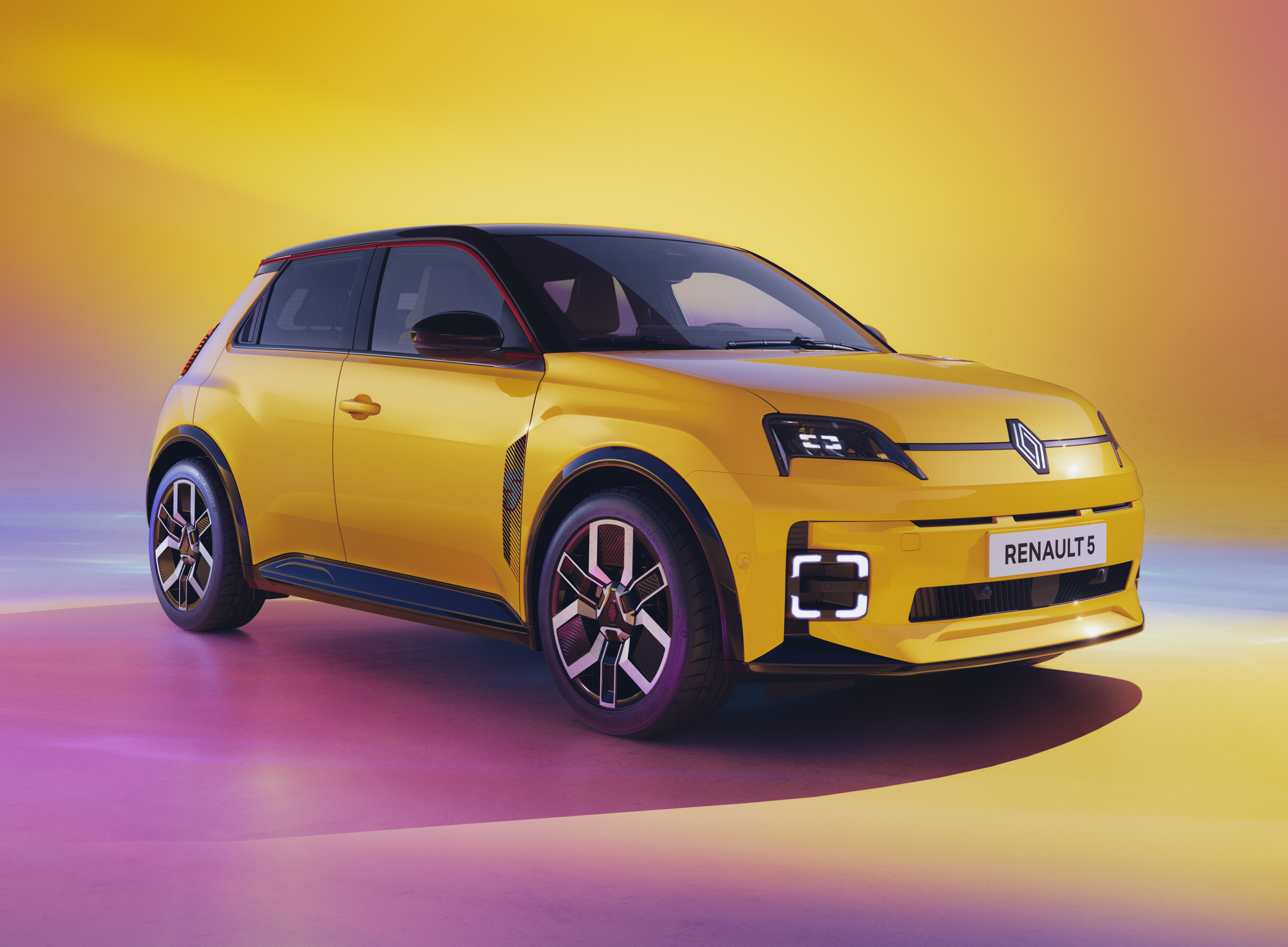
French automaker Renault has initiated a recall affecting certain units of its electric Renault 5 E-Tech and Renault 4 E-Tech models produced between Dec. 12, 2025, and Jan. 28, 2026, following the identification of a defect in a batch of battery cells.
According to the European Commission’s safety database, the issue stems from a manufacturing anomaly at a supplier facility that could lead to overheating or charging malfunctions, potentially increasing the risk of fire.
“A production anomaly at the supplier’s facility may cause delamination of the anode in a battery cell, where electrode material detaches and can damage the current collector and separator, potentially leading to an internal short circuit in the traction battery […],” the database entry (SR/00796/26) states.
The defect has been linked to a specific batch of supplied battery cells, rather than a broader design flaw. A spokesperson for Renault confirmed the limited scope of the issue, saying: “There was a defect in one batch of the battery cells, which was identified and resolved as quickly as possible.”
The European Commission notice does not specify how many vehicles are affected or in which markets they were delivered. However, according to information provided to electrive, Renault Germany said only four vehicles in the country were impacted, and these had already been returned to workshops before any formal notification by the Kraftfahrt-Bundesamt.
Renault assembles battery packs in-house through its electric vehicle division Ampere, while sourcing battery cells externally. The affected models use AESC pouch cells in a configuration of 46 NMC cells per module, with four modules forming battery packs of up to 52 kWh.
The relatively short production window suggests the issue is confined to a specific supply batch. The Renault 5 E-Tech has been in production since 2024, indicating that a wider defect would likely have affected a larger number of vehicles.
The new Nissan Micra, which uses the same AmpR Small platform and battery configuration, is not included in the recall, as its production began only in January 2026.