
Porsche has outlined the manufacturing process behind the battery modules for its Cayenne Electric, as the model enters series production at the Volkswagen Group plant in Bratislava, Slovakia.
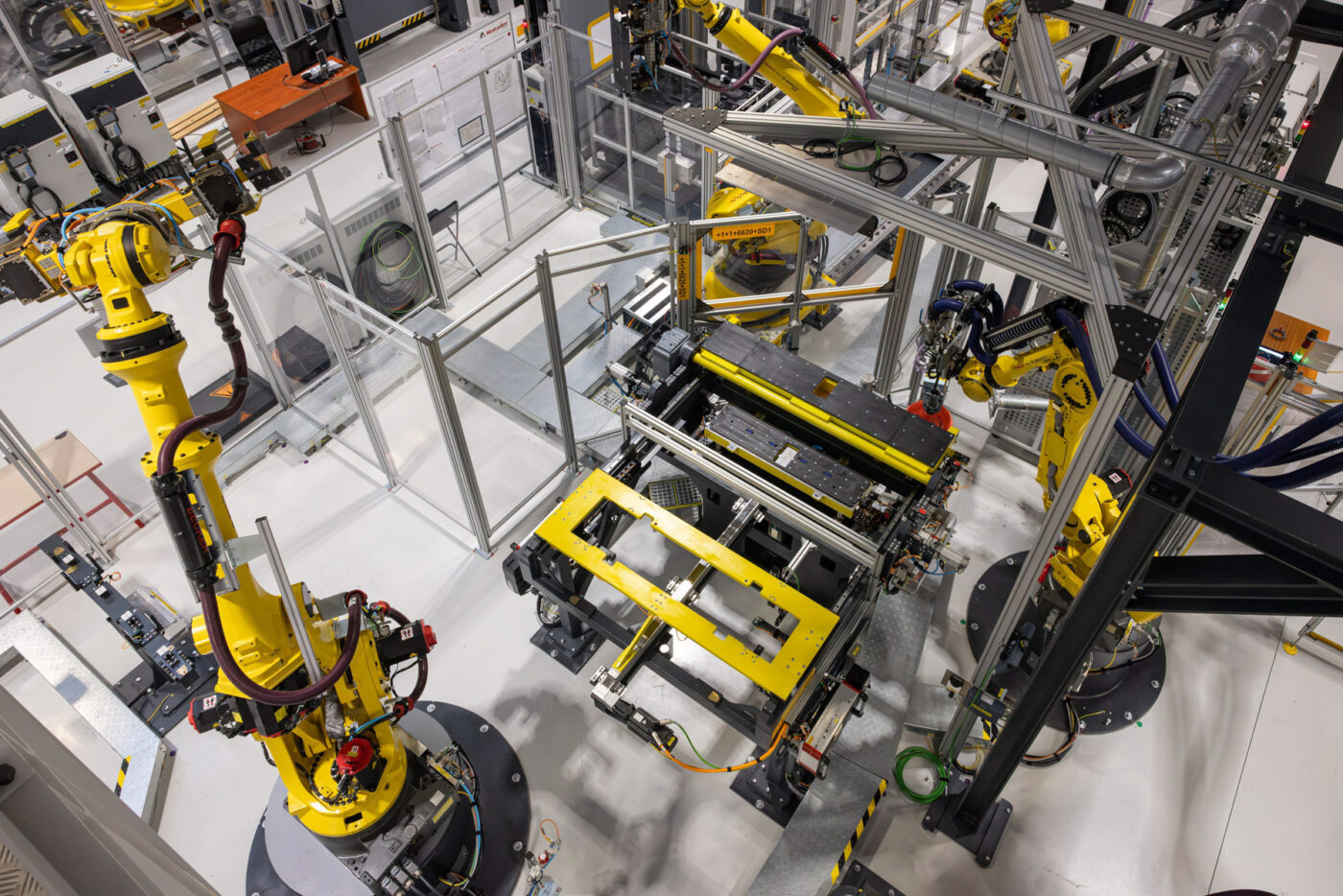
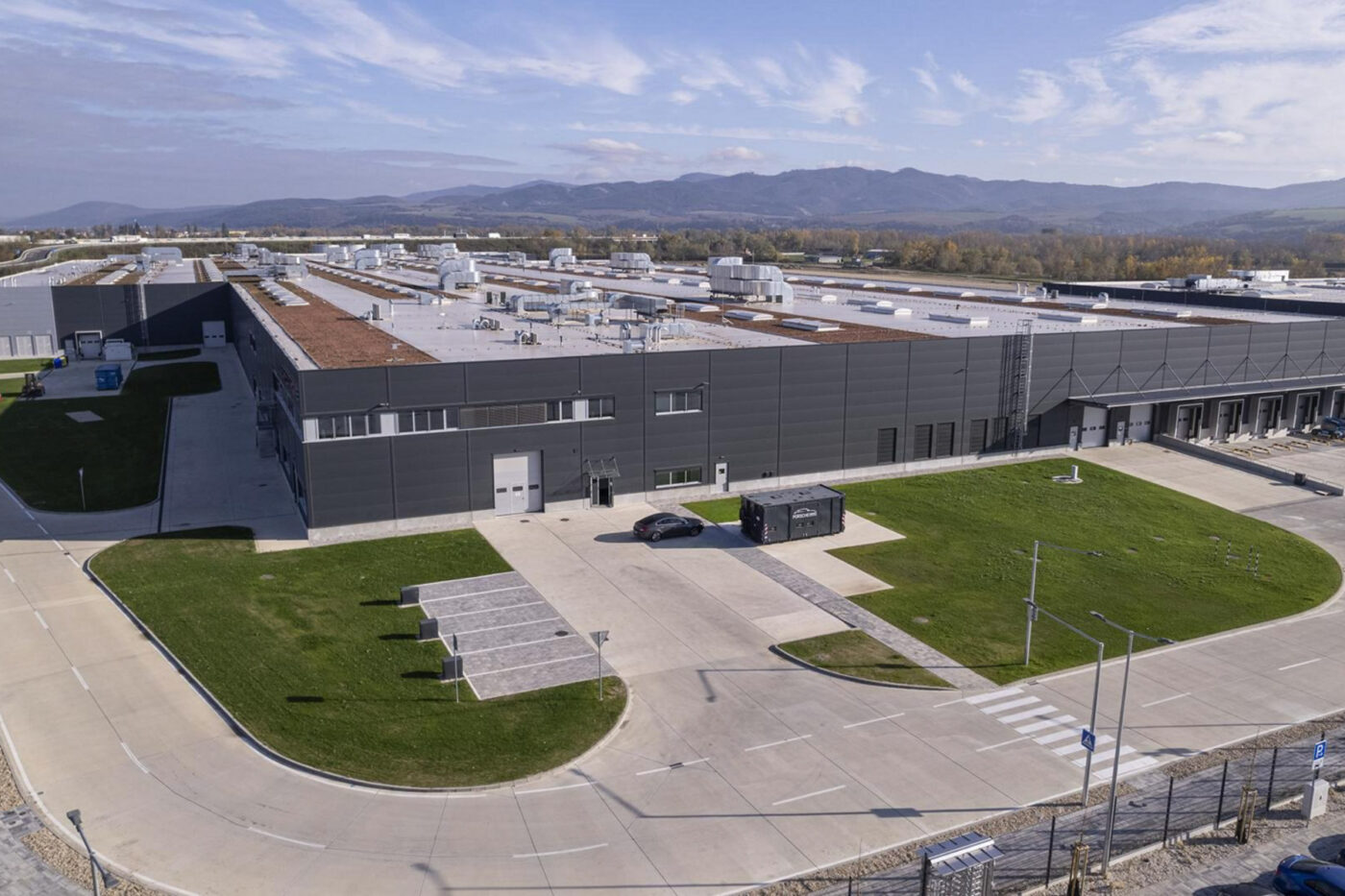
The German automaker said it has brought battery module production in-house for its second model based on the Premium Platform Electric (PPE), moving away from external suppliers. The modules are produced at the Porsche Smart Battery Shop in Horná Streda, a facility developed in collaboration with Porsche Werkzeugbau GmbH.
See also: Porsche Adds Cayenne S Electric With Up to 490 kW to EV Lineup
“The facility has been expanded into an innovative technical centre that, as a dependable partner, supports Porsche in product and process development,” the company said in a statement.
Located around an hour from Bratislava, the Horná Streda site was previously used as a technology centre for Porsche’s toolmaking division. It has since been upgraded to support series production, with construction of the production hall beginning in January 2023 and initial module output for pre-series vehicles starting in May 2024.
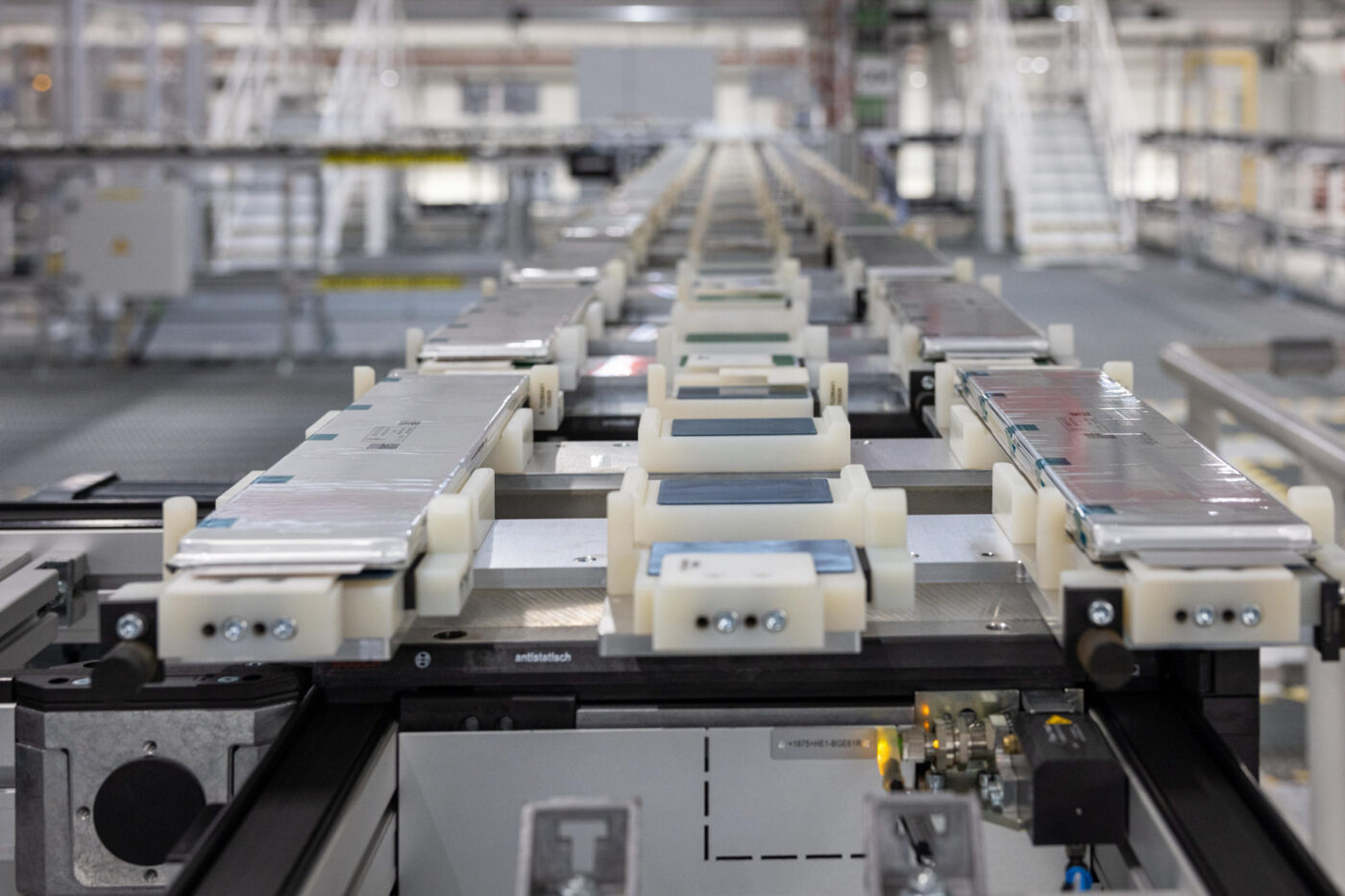
In the production process, 32 prismatic battery cells supplied by LG Energy Solution are assembled into a module. Six such modules are then integrated into a battery frame along with power electronics to form a 113 kWh unit for the Cayenne Electric.
See also: Porsche Confirms Development Continues for Electric 718 Boxster and Cayman
Porsche said the process involves multiple stages, including precise stacking of cells, automated laser welding of cell tabs, and the application of thermally conductive materials to enhance heat dissipation. The modules are also bonded to cooling plates positioned above and below the cell stacks to ensure thermal stability.
“This process ensures both electrical contact and mechanical bonding. Continuous quality checks of the joints and stacks are carried out,” Porsche said.
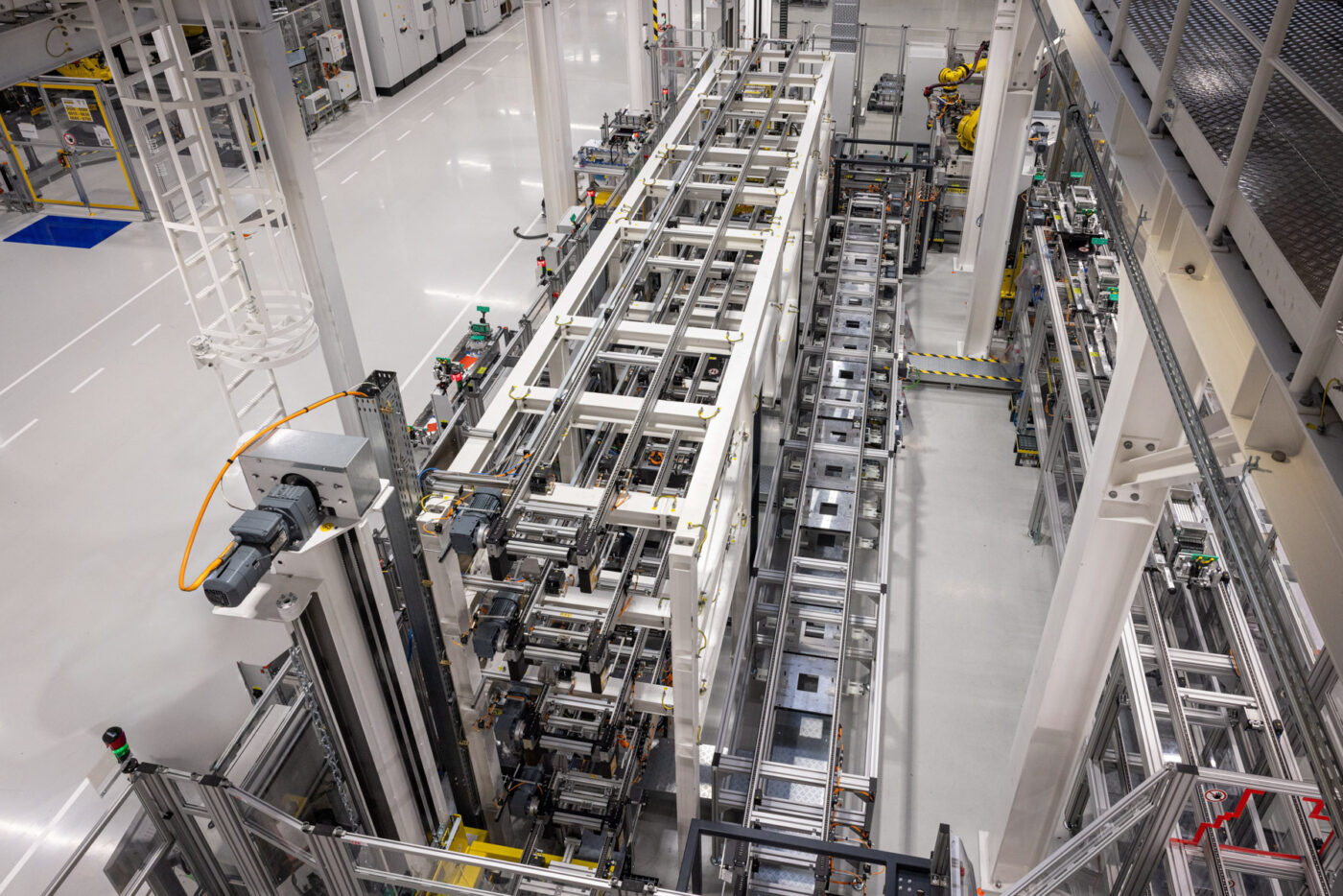
The production line includes end-of-line testing procedures such as leak checks, electrical inspections, dimensional verification, and insulation measurements. “Finally, leak tests and various electrical checks are carried out, as well as dimensional checks, visual inspections, function tests and insulation measurements,” the company added, noting that these steps ensure proper assembly and connectivity of all components.
See also: Porsche To Use Korean Battery Suppliers for EVs Sold in South Korea From 2026
Modules that pass quality checks are then supplied to Webasto, which integrates them into the battery housing with additional electronics before delivery to the vehicle assembly plant in Bratislava.
Porsche said the facility incorporates real-time data collection across the production process, enabling traceability and quality control. Manufacturing data is stored in the cloud, allowing engineers to analyse deviations and maintain long-term records.
The move to internalise battery module production reflects a broader industry trend among automakers seeking greater control over key components in electric vehicle manufacturing, particularly as competition intensifies in the premium EV segment.