
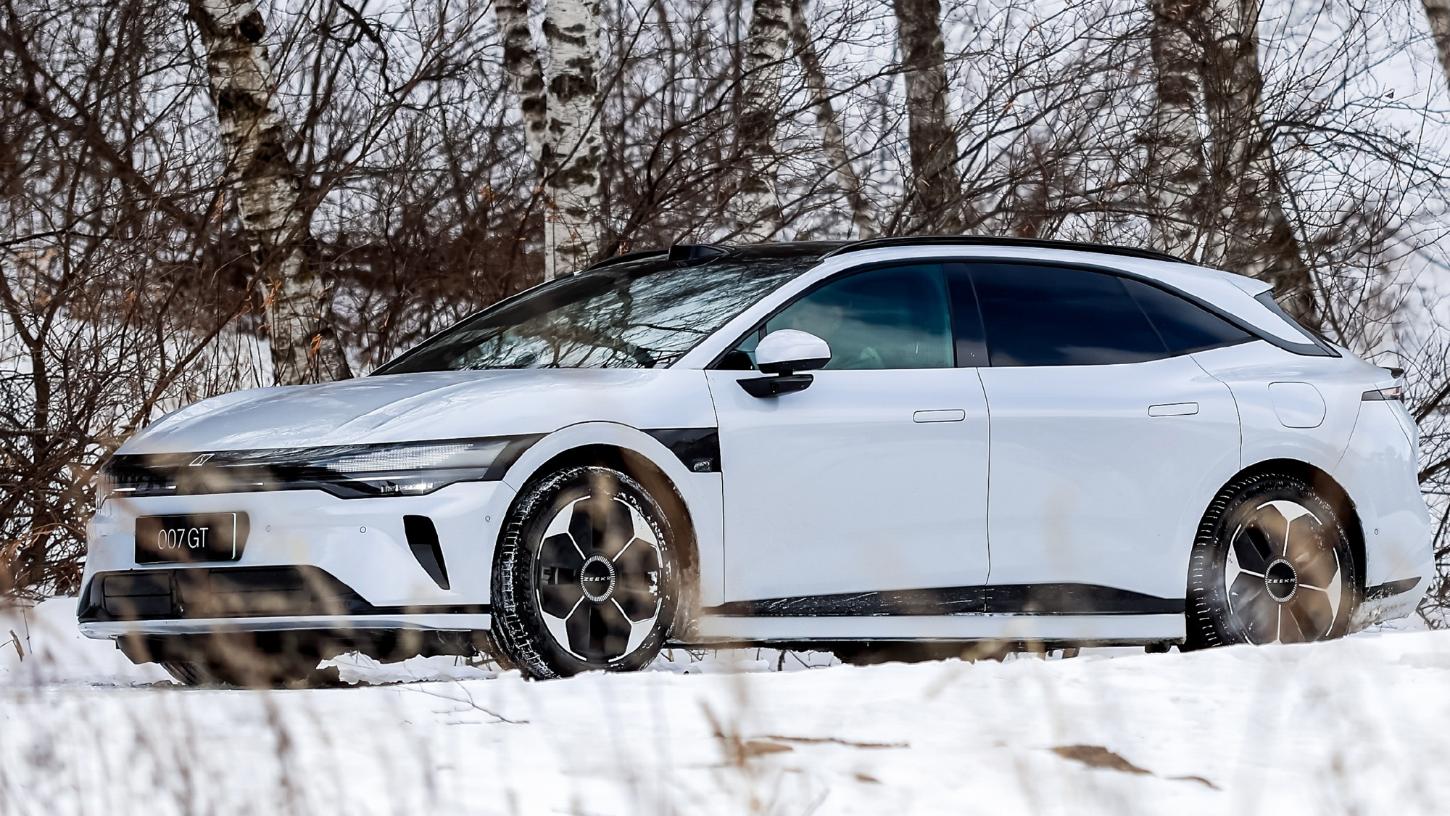
Zeekr’s upcoming facelifted 007 GT electric vehicle is expected to see an increase in its official guide price as automakers face rising component costs and persistent chip shortages, according to a report by Chinese auto media outlet Yiche.
The upgraded model, scheduled to launch in the second quarter of this year, may see a price increase of between 5,000 yuan ($720) and 8,000 yuan compared with the current version, the report said.
The existing Zeekr 007 lineup, which is built on an 800-volt high-voltage architecture, currently starts at prices ranging from 209,900 yuan to 299,900 yuan.
Zeekr said in January that updated versions of the Zeekr 007 and 007 GT would be released in the second quarter with new technology upgrades, including Nvidia’s Drive Thor-U assisted driving chip and a 900-volt high-voltage architecture.
The expected price adjustment reflects broader cost pressures across the electric vehicle supply chain, driven by higher raw material prices and increased demand for advanced electronic components.
Automotive-grade memory chips have become significantly more expensive since the second half of 2025, particularly DDR5 memory used in advanced computing systems. The rise has been fueled in part by growing demand from artificial intelligence data centers.
The Thor assisted-driving chip planned for the updated Zeekr 007 GT uses higher-end DDR5X memory, which remains in limited supply and faces stronger pricing pressure, according to the report.
Battery manufacturing costs have also been affected by recent increases in lithium prices, which have raised production expenses for electric vehicle battery packs.
Zeekr’s potential pricing move reflects a broader trend in the Chinese EV market, where several manufacturers have begun adjusting prices in response to supply chain constraints. The report noted that Chery recently raised the official guide price of its Exeed ET5 model.
Industry observers say such adjustments may help automakers sustain long-term research and development investments while maintaining product quality and service standards.
Nio founder and chief executive William Li previously warned of growing cost pressures linked to semiconductor supply. Speaking in January, Li said memory chips represented the biggest cost challenge facing automakers.
Automakers are increasingly competing with AI developers and large computing companies for limited memory chip supplies, Li said.