
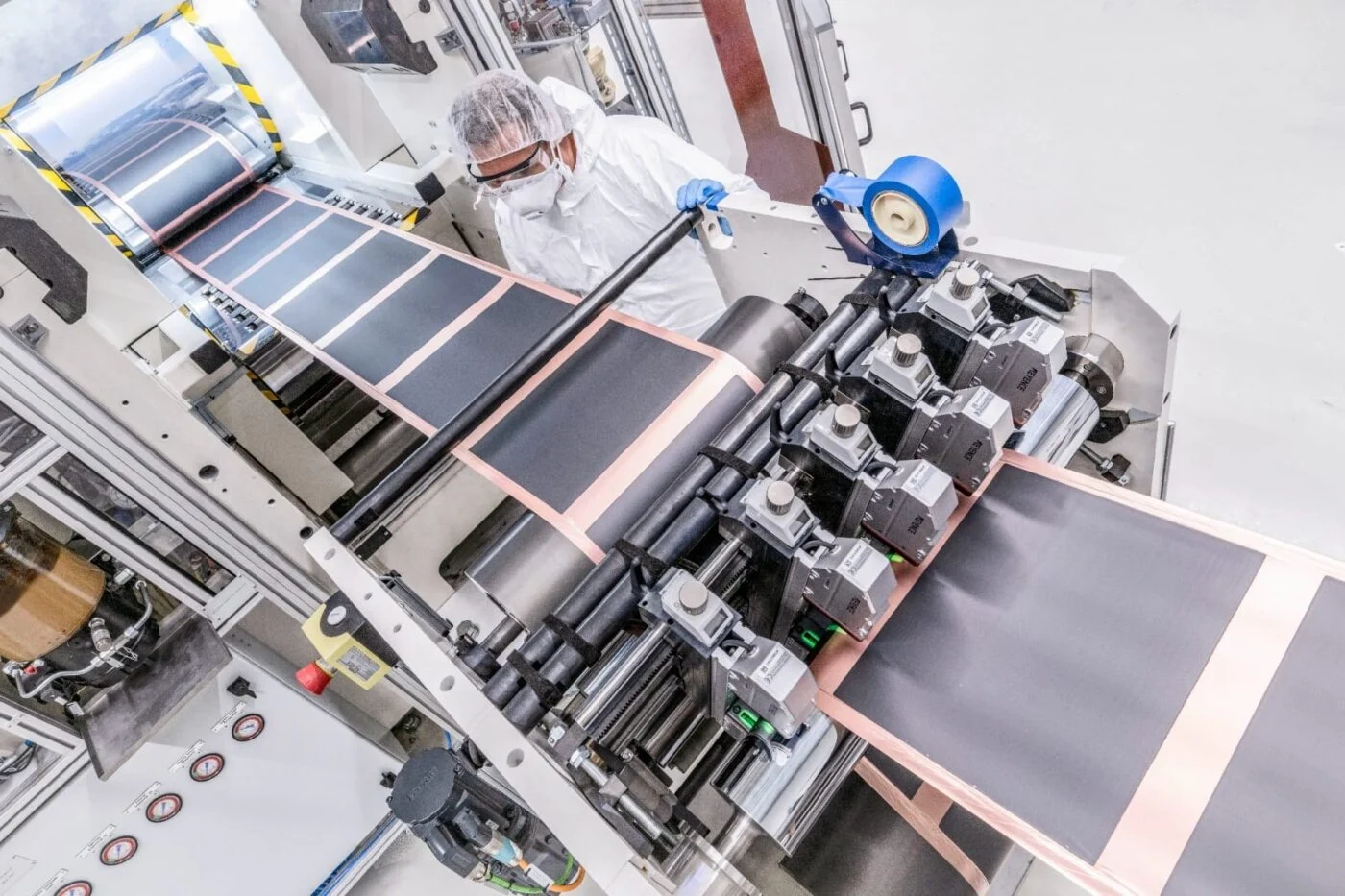
The European Commission’s €1.8 billion “Battery Booster” initiative, intended to accelerate domestic battery cell production, has yet to disburse any funds as different EU departments continue to negotiate the program’s conditions, according to industry reports.
Announced in December as part of a broader “Auto Package” aimed at easing the transition to stricter CO₂ targets by 2035, the scheme is designed to strengthen Europe’s battery value chain through measures such as interest-free loans for manufacturers and supportive industrial policies. The Commission said the plan would “enhance the cost competitiveness of the sector, secure upstream supply chains and support sustainable and resilient production in the EU,” reducing dependence on dominant global suppliers.
See also: Volkswagen Battery Unit PowerCo Signs Conductive Materials Supply Deal With Cabot
Industry urgency has grown amid financial pressures on European battery makers. This week, the ACC joint venture warned that investing in additional factories—specifically planned sites in Kaiserslautern, Germany, and Termoli, Italy—would be “totally irresponsible” without stronger public support, while simultaneously calling for faster policy action.
However, progress on the funding mechanism appears stalled. According to German publication Automobilwoche, an EU strategy paper released in late January indicated that the first tranche of funding is intended to reach selected companies in 2026, but internal negotiations in Brussels over eligibility criteria and loan conditions remain unresolved.
Automobilwoche reported that the industrial policy effort is being led by the office of Industry Commissioner Stéphane Séjourné, while the financial resources come from the Innovation Fund overseen by Climate Commissioner Wopke Hoekstra. Officials from both departments must agree on the detailed terms before funds can be released.
See also: Volkswagen’s PowerCo Starts Battery Cell Production at Salzgitter Gigafactory
The program is aimed primarily at European battery producers in the ramp-up phase of industrial production, narrowing the pool of eligible companies. Following the collapse of high-profile projects such as Northvolt and Britishvolt, remaining candidates include ACC—backed by Stellantis, Mercedes-Benz and TotalEnergies—along with Verkor, supported by Renault, and PowerCo, Volkswagen Group’s battery subsidiary.
PowerCo began cell production at its Salzgitter facility in Germany in December 2025 and plans to increase output through 2026, while a second plant in Sagunt, Spain, is expected to start production later this year. ACC’s facility in Douvrin, France, has been operating since 2023 but is still working to improve yields. Companies not considered fundamentally European, including AESC and Taiwan-based ProLogium, are seen as less likely to benefit under emerging “Buy European” policies.
EU officials are also considering longer-term support mechanisms. For the 2028–2034 budget period, policymakers are reportedly exploring direct production subsidies per kilowatt-hour of batteries manufactured in Europe, similar to incentives introduced under the U.S. Inflation Reduction Act.
For now, industry participants remain focused on navigating the capital-intensive early stages of production while awaiting clarity on the funding framework.