
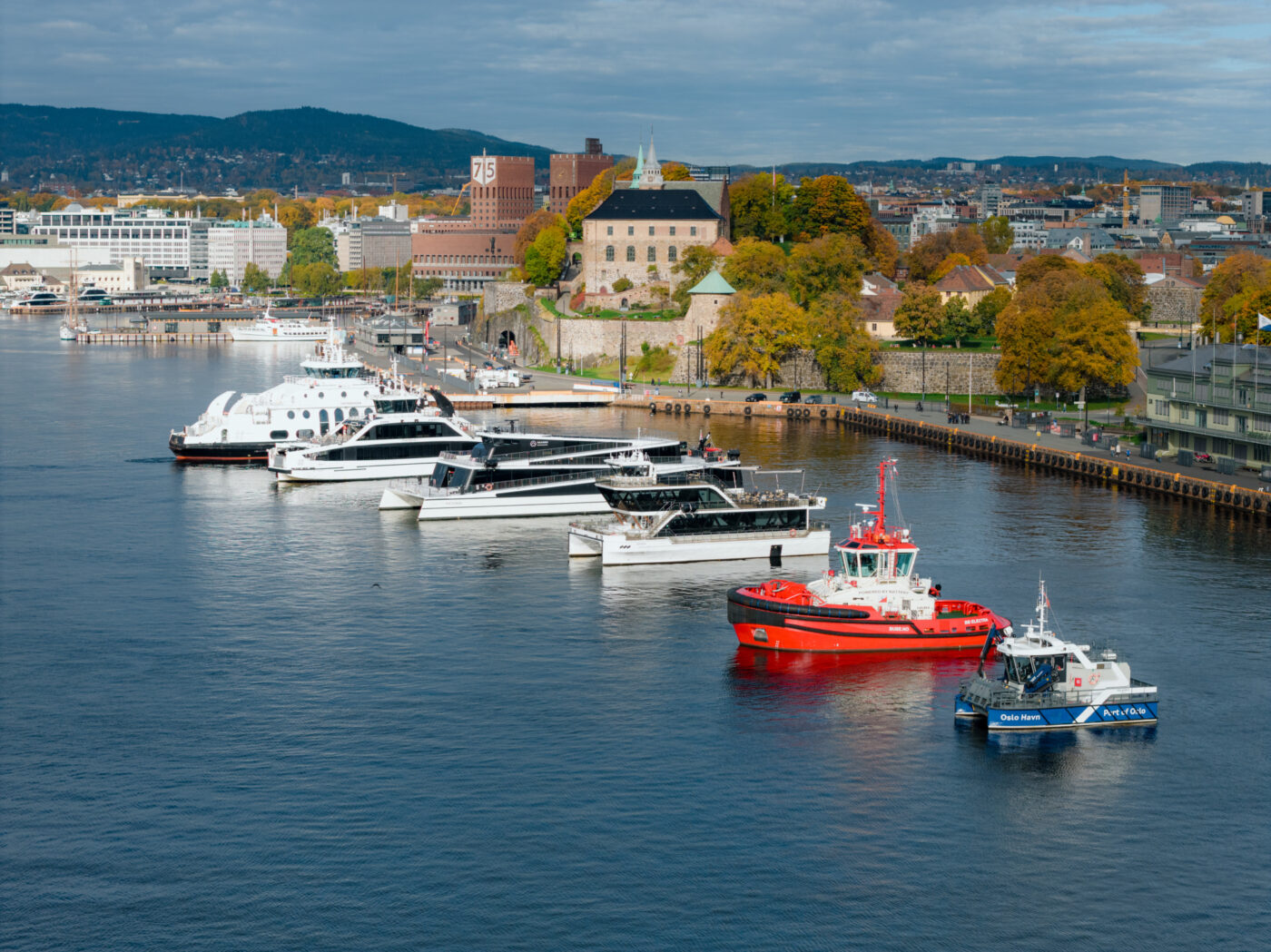
The Port of Oslo will begin offering discounts of up to 100% on port fees for ships operating with zero emissions from 2026, marking a major step in the city’s strategy to reduce maritime pollution. The scheme applies to vessels that can enter and depart the port without generating emissions and aims to accelerate the adoption of cleaner maritime technologies.
Under the new structure, ships that operate emission-free will be exempt from quay fees, while additional discounts will be granted for vessels using shore power or achieving high environmental ratings. In contrast, ships that do not adopt environmentally friendly solutions will face increased charges. The measures form part of Oslo’s broader plan to cut citywide emissions by 95% and reduce emissions from port operations by 85% by 2030.
See also: CATL Targets Open-Sea Electric Vessels Within Three Years
To support the transition, the Port of Oslo has installed shore power for cruise ships, international ferries, bulk carriers and container vessels. Additional shore-power capacity for cruise ships is scheduled to open at Filipstad in 2026, with similar infrastructure for tankers currently under planning.
“We are changing previous discounts for scheduled traffic to reward ships that cut emissions. Cargo ships using shore power will receive a 20% discount. The goal is to promote environmentally friendly sea transport,” said Commercial Director Einar Marthinussen.
See also: Emission-Free Container Service Launched on Dutch Inland Waterways
Port Director Ingvar M. Mathisen said the port’s investment strategy is designed to incentivise sustainable operations across the maritime sector. “Choosing zero-emission solutions should pay off. Port of Oslo has invested heavily in green measures such as shore power and rewards those who take environmental responsibility,” he said.
Mathisen added that the effort extends beyond maritime operations. “Port of Oslo delivers across the entire transport chain – not just to ships. Together with the city and our customers, we invest in zero-emission transport solutions – both at sea and on land – to create sustainable corridors between Oslo and Europe.”