
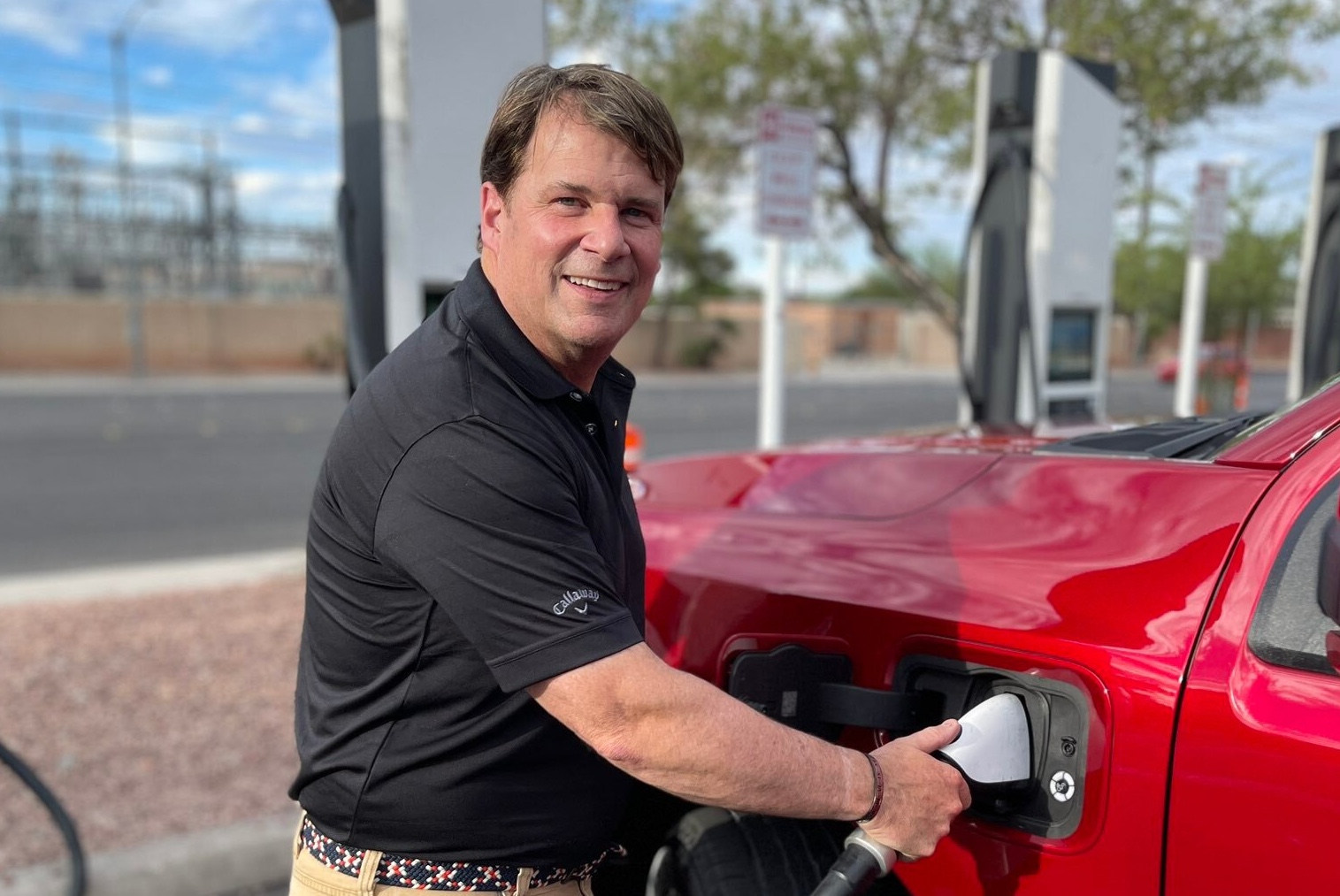
Ford Motor Company Chief Executive Officer Jim Farley has publicly criticized the European Union’s aggressive mandate to transition to electric vehicles (EVs), asserting that the current regulatory framework is “totally out of touch” with market realities.
The comments come as the U.S. automaker seeks to maintain flexibility in its powertrain options globally, having recently praised a new proposal from the Trump administration aimed at softening existing fuel economy regulations in the United States.
See also: Ford CEO Says U.S. Fuel-Economy Reset Will Still Support EV Investment While Boosting Affordability
However, Ford is simultaneously campaigning against the EU’s current rules, which dictate a rapid shift toward zero-emission vehicles and an effective ban on new internal combustion engine (ICE) cars after 2035.
Writing in a recent op-ed in the Financial Times, Farley directly addressed the challenge of low consumer adoption in Europe. “The elephant in the room is that European customers – both individuals and businesses – simply are not buying EVs in big numbers,” he stated.
Farley argued that the EU’s approach creates instability for manufacturers: “European policymakers say they want a sustainable auto industry. But setting unrealistic regulations only to adjust them at the end of each year when consumers do not show up is a recipe for turmoil.”
See also: Ford Says New Universal EV Platform Built Around Two Priorities: Cost and Scale
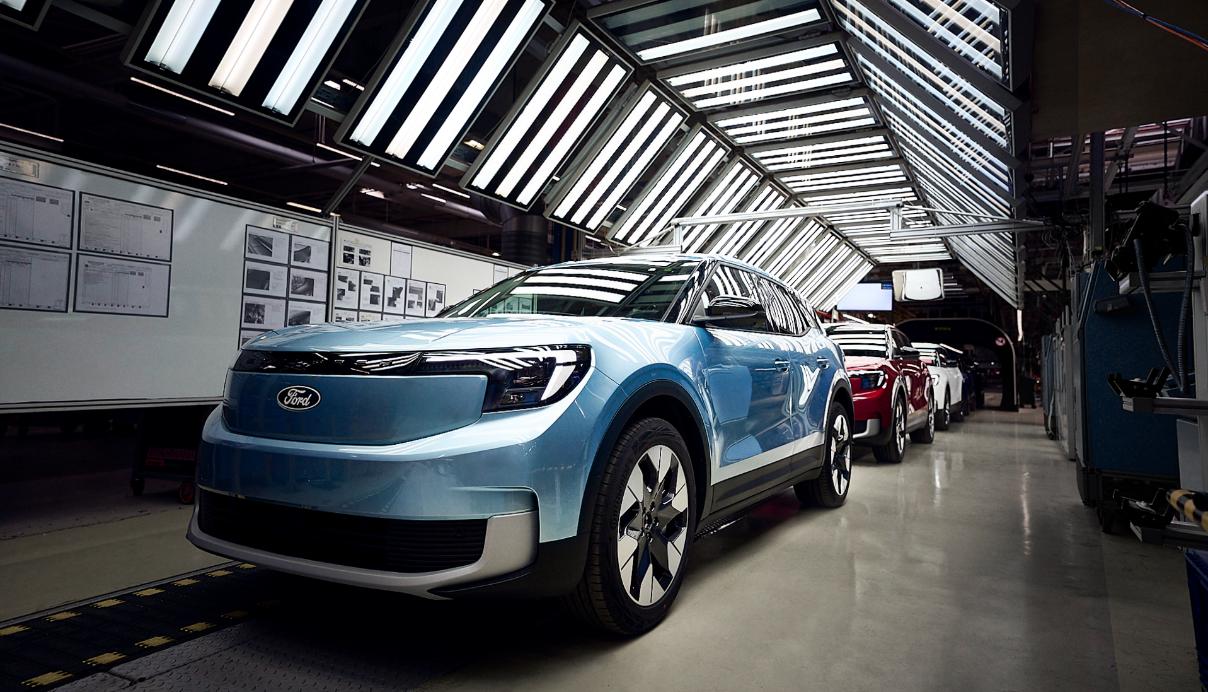
He added that this regulatory uncertainty disrupts the complex cycles of product design and supply chains that require long lead times and substantial investment. Farley called for a more predictable legislative environment: “We urgently need a regulatory framework for Europe that provides a realistic and reliable 10-year planning horizon. We must align carbon targets with actual market adoption and provide automakers with a realistic and reliable 10-year horizon.”
Farley’s plea aligns with increasing pressure from a growing number of industry groups and several EU member states, including Germany and Italy, for the European Commission to revise the 2035 rules. These parties are advocating for a “technology-neutral” approach that could permit the continued sale of hybrid or e-fuel-powered vehicles after the deadline.