
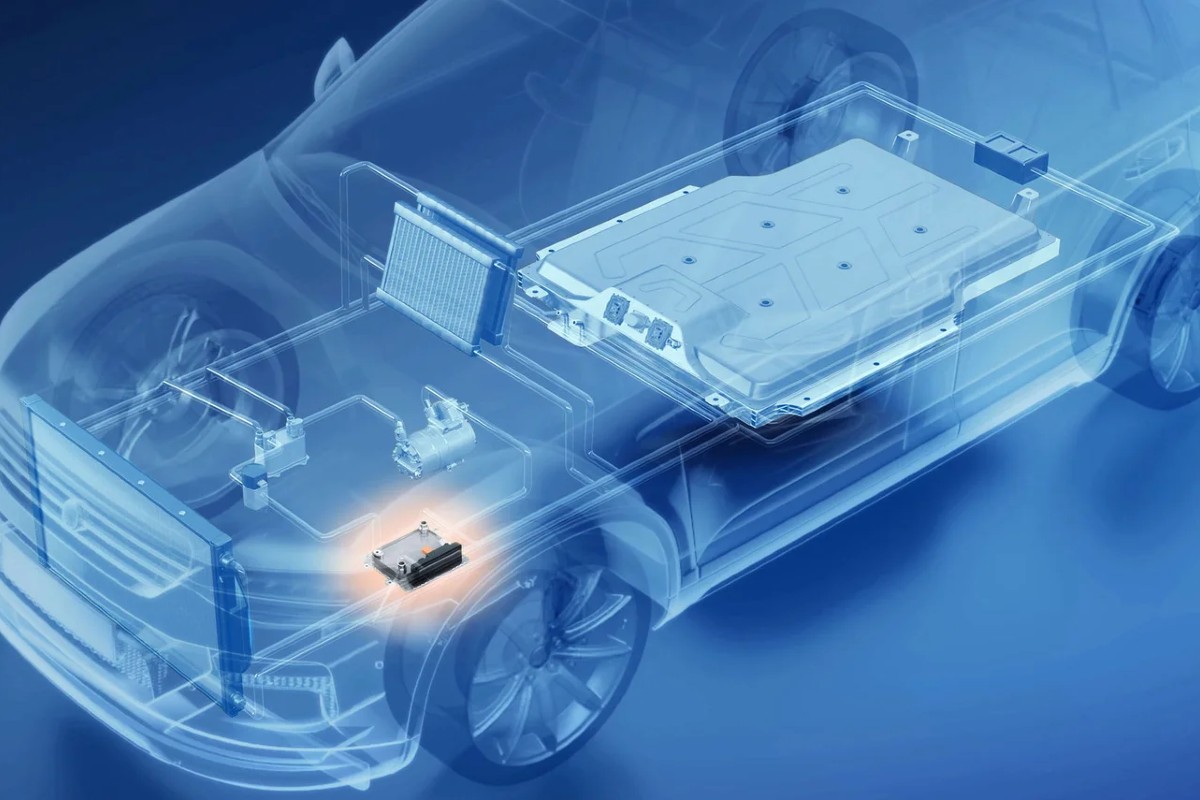
German automotive supplier Webasto has unveiled a new 800-volt thermal management system for electric vehicles that combines battery conditioning, battery cooling and interior heating into a single device, as carmakers seek more compact and efficient component designs.
The product, called the “Heated Chiller,” is designed as a three-in-one system that replaces several conventional thermal components typically installed separately in electric vehicles. Webasto said the integrated approach is aimed at reducing system complexity, space requirements and material usage in next-generation EV platforms.
See also: Webasto Partners with Cylib for Battery Recycling in Europe
“In classic vehicle architectures, several separate thermal components must be installed, connected, and controlled, each with its own lines, controls, and sealing points. This increases the space requirements, weight, and susceptibility to errors,” Webasto said in a statement describing the rationale behind the new system.
The Heated Chiller combines active battery temperature control, battery cooling during high-load conditions such as fast charging, and interior heating to support cabin comfort in cold weather. According to Webasto, the system can rapidly bring batteries to their optimal operating temperature, which the company said can extend battery service life and improve vehicle range. The supplier did not disclose specific figures for potential cost, weight or efficiency reductions.
See also: Webasto Supplies Batteries and Roof Systems for Kia EV3
“With the Heated Chiller, we offer our customers a compact solution that solves several challenges in the thermal management of electric vehicles,” said Christin Reinhertz, Global Head of Electric Heating Systems at Webasto. “Our many years of expertise in system integration, thermal management, and battery technology have gone into this development, always with a focus on comfort, efficiency, and sustainability.”
Webasto said the new system is compatible with modern refrigerants and is intended to support the growing adoption of 800-volt electric vehicle architectures, which underpin faster charging and higher power output in premium and high-performance EV models.