
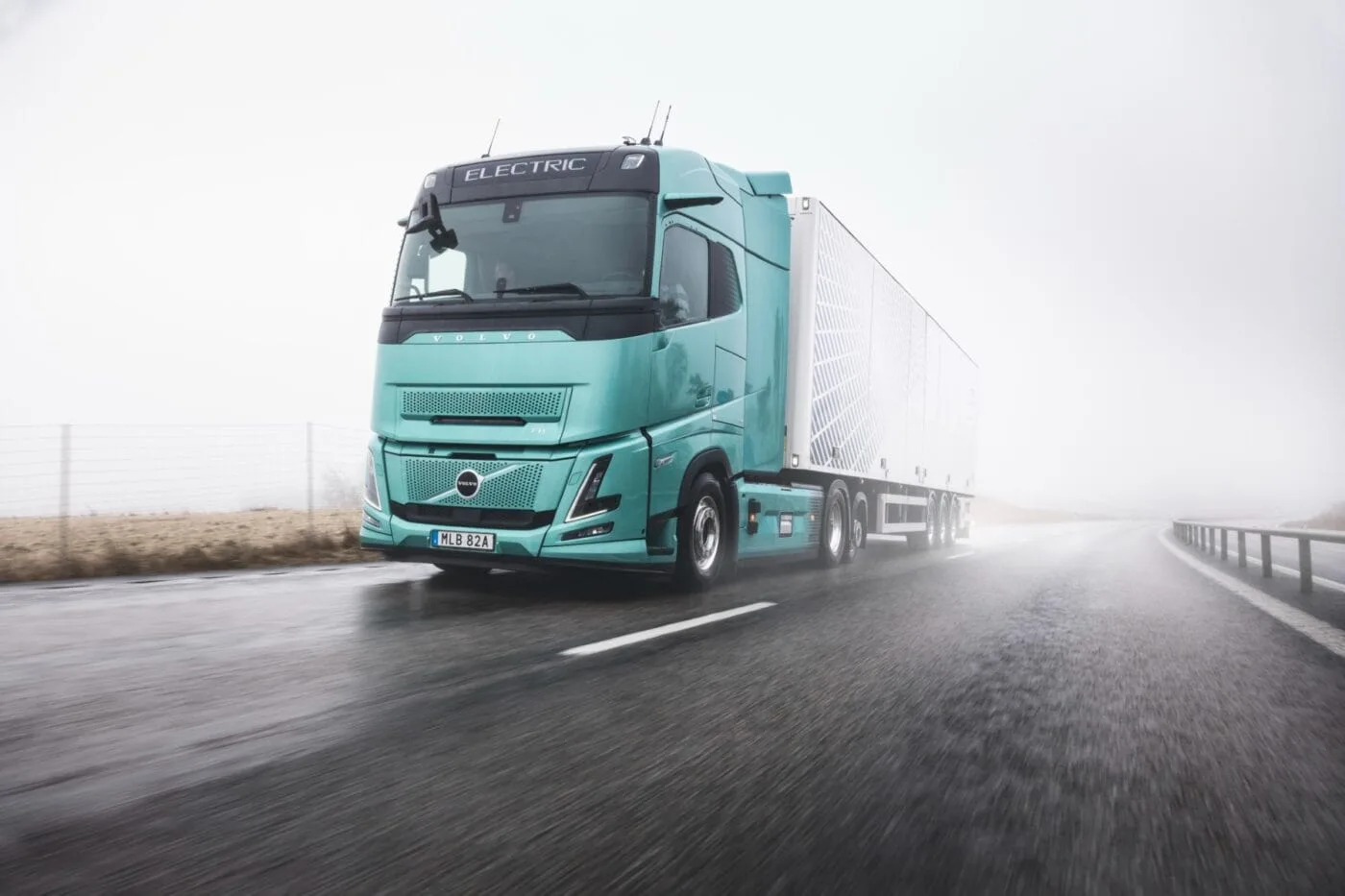
Truck manufacturers including Volvo Trucks, Daimler Truck, Scania, MAN, Iveco, and Ford have urged the European Union to ease its planned CO2 emissions regulations for heavy commercial vehicles, arguing that the current framework poses excessive penalties and ignores external challenges such as limited charging infrastructure.
According to a letter dated 13 October and reported by Reuters, the six companies called on the European Commission to introduce a more flexible credit system that would allow manufacturers to accumulate emission credits between target years—2025, 2030, and 2040.
See also: ICCT Study: Europe to Require Up to 5,300 Megawatt Chargers for Electric Trucks by 2030
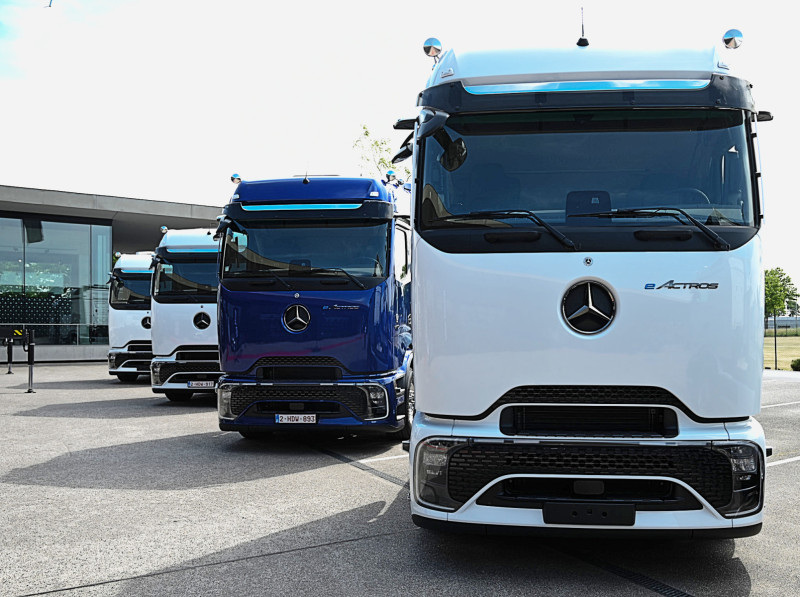
This would effectively smooth the emission reduction trajectory, enabling credits gained before one target year to offset stricter requirements later. Under current EU rules, truckmakers must cut fleetwide emissions from new vehicles by 15% by 2025, 45% by 2030, and 90% by 2040, compared to 2019 levels, with gradual annual reductions required in between.
Scania and Traton CEO Christian Levin described the joint letter as “a cry for help,” telling Reuters, “We do not dispute that the targets themselves are correct. But it will be very, very difficult. The best thing would be to abolish these nonsensical penalties for the industry and instead encourage all parties involved in the system to take joint action through incentives or sanctions.” A spokesperson for Daimler Truck added that the industry faces “draconian” penalties despite significant investments in electrification and persistent bottlenecks in battery supply and charging networks. MAN Truck & Bus CEO Alexander Vlaskamp echoed the concerns, noting that infrastructure development “is taking longer than expected” and that manufacturers are being asked to bear risks beyond their control.
See also: Most European Truckmakers on Track to Meet 2025 EU CO2 Targets, Report Shows
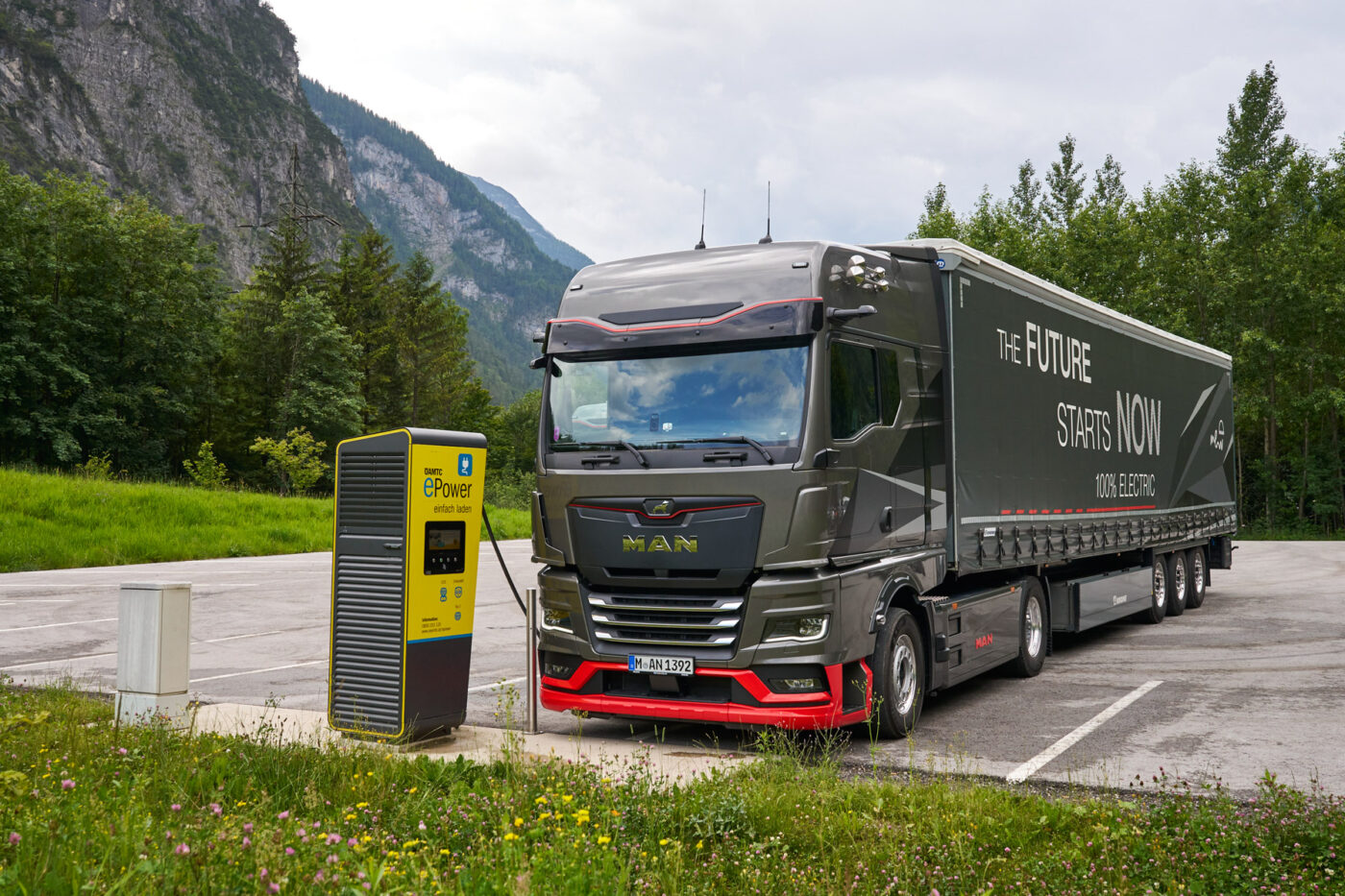
Environmental groups, however, warn that loosening the CO2 rules could derail Europe’s clean transport goals and give Chinese competitors an advantage. Transport & Environment said the proposed changes could cut EU zero-emission truck sales by 27% by 2030, with Head of Freight and Fleet Management Stef Cornelis warning that “truckmakers want to give the impression this is a small adjustment, but the opposite is true—it would mean a major rollback of Europe’s plans to decarbonise trucks.” The German environmental NGO NABU also criticised the proposals as “tantamount to a refusal to work,” arguing they would undermine climate targets and create uncertainty for infrastructure investors.
The European Commission has not yet commented on the letter, though Commission President Ursula von der Leyen reportedly pledged to support truckmakers with measures to help them meet their goals. A recent ICCT study found that most European truck manufacturers are likely to meet the 2025 emissions target—largely through improved diesel efficiency rather than electric vehicle sales—but warned that later targets will prove significantly more challenging.
Source: reuters.com, transportenvironment.org