
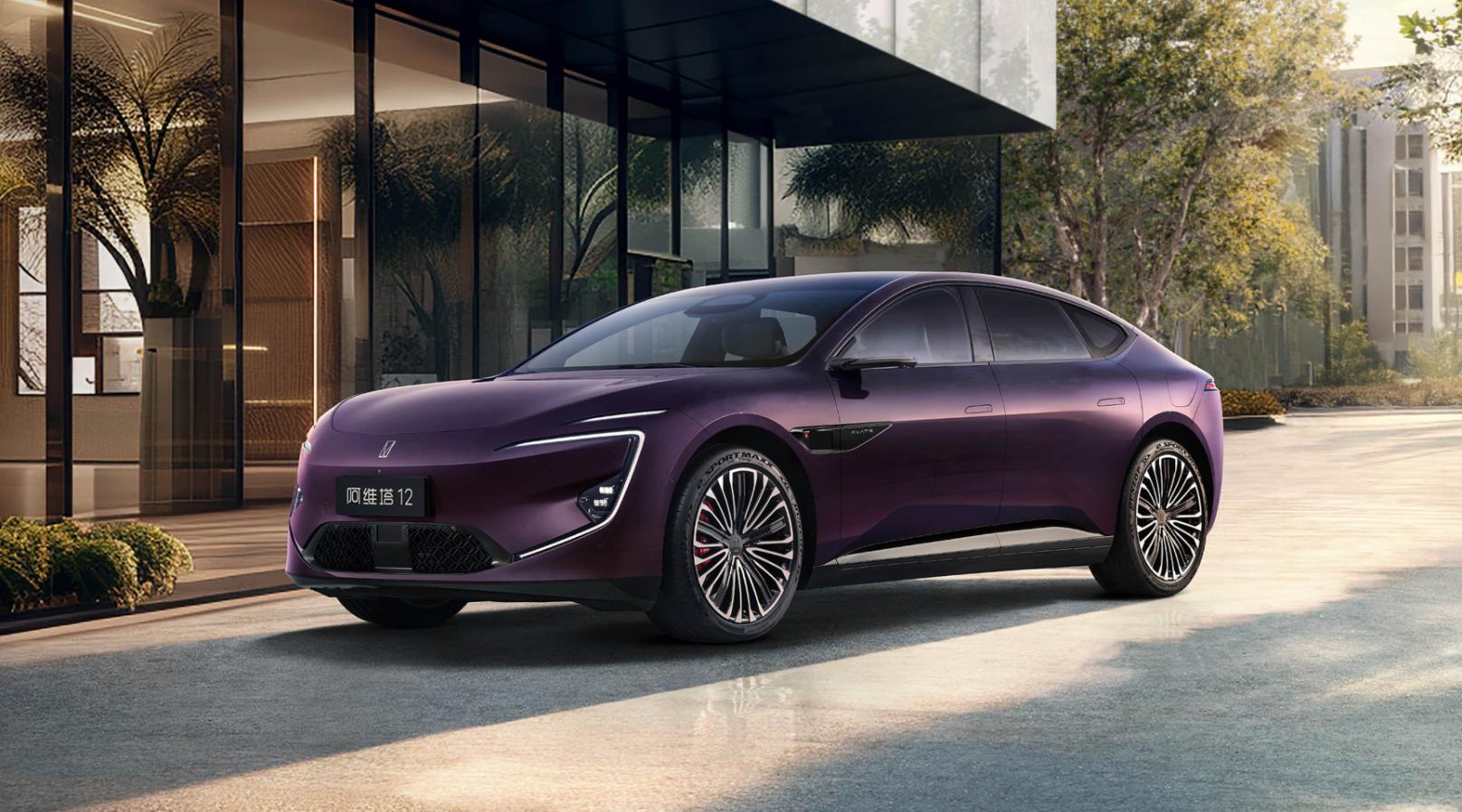
Chinese electric vehicle (EV) manufacturer Avatr Technology, a subsidiary of Changan Automobile, is preparing to file for an initial public offering (IPO) on the Hong Kong Stock Exchange (HKEX). The company plans to submit its listing application in the fourth quarter of 2025, with the listing expected to be completed by the second quarter of 2026, according to local media reports.
Avatr Technology was established in 2018 as a joint venture between Changan and Nio, originally named Changan Nio. In August 2021, Changan rebranded the company as Avatr, with Huawei and CATL joining as strategic partners. Huawei focuses on smart vehicle solutions, while CATL provides battery technology. Nio’s stake in the company has been diluted over time, and it has largely exited its investment.
The upcoming IPO is part of Avatr’s strategy to accelerate research and development for future EV models, enhance brand recognition, and expand its presence in international markets. The company completed a Series C funding round in December 2024, raising over RMB 11 billion (approximately $1.5 billion), which will provide additional capital for these initiatives.
Avatr’s planned listing follows a trend of Chinese automakers seeking to raise capital through overseas markets. For instance, Chery is advancing its Hong Kong IPO process, with reports indicating it has set the offering price at HK$30.75 per share, potentially raising HK$9.1 billion ($1.2 billion). Additionally, Dongfeng Motor Group announced plans for its high-end EV unit, Voyah, to list in Hong Kong via an introductory listing.
The Hong Kong Stock Exchange has introduced new measures to attract more tech and biotech listings, including clearer guidance on listing eligibility and the introduction of a “technology enterprises channel.” These initiatives aim to support companies like Avatr Technology in accessing capital to fuel innovation and growth.
As Avatr Technology moves forward with its IPO plans, it joins a growing list of Chinese companies leveraging international listings to support their expansion and technological advancements in the competitive EV market.