
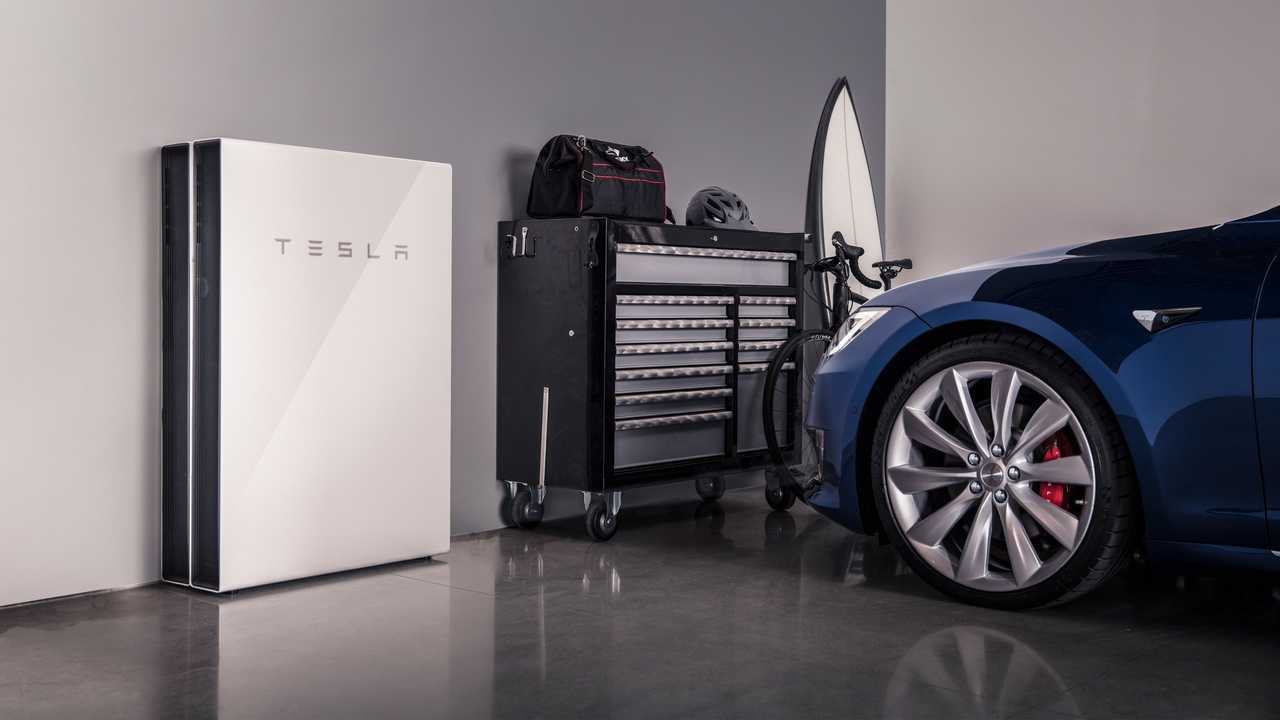
Tesla said on Friday it has installed more than one million Powerwalls globally, underscoring the rapid expansion of residential energy storage and the growing role of decentralized grids.
The company said Powerwalls are now deployed in 30 countries and have collectively generated and stored 17.3 terawatt-hours (TWh) of solar energy. Tesla added the systems have prevented more than 21 million power outages from affecting customers.
Since its debut in 2015, the Powerwall has moved from a niche product for early adopters to a mass-market solution. Tesla reached 100,000 installations in 2020, 250,000 in late 2021, and 500,000 in early 2023. Growth accelerated further, with 750,000 installations reported by October 2024 and the one million mark passed less than a year later.
The latest version, Powerwall 3, delivers more than twice the output of its predecessor and can power most homes independently. It supports expansion up to 40.5 kilowatt-hours per household and integrates with solar systems, features Tesla says make it well-suited for customers in regions with higher energy demands or frequent outages.
Production has also increased. At Tesla’s Giga Nevada plant, daily output rose from 1,000 units in late 2024 to 1,500 units per day in early 2025, allowing the company to reduce wait times and expand into new markets.
Tesla said the broader impact extends beyond individual households. Through participation in Virtual Power Plants, thousands of Powerwall owners supply stored energy back to the grid during periods of high demand, bolstering grid stability and creating revenue streams for participants.