
China has revised its luxury car consumption tax policy, lowering the price threshold and expanding its scope to include all vehicle types, including electric vehicles (EVs). The updated policy, effective July 20, reduces the threshold from RMB 1.3 million to RMB 900,000 (excluding VAT), the Ministry of Finance announced.
Under the new rules, cars with a tax-inclusive price exceeding RMB 1.017 million will now be subject to the luxury car consumption tax, compared to the previous threshold of RMB 1.469 million. The policy affects vehicles of all powertrains—gasoline, pure electric, and fuel cell—but exempts used cars. Notably, this marks the first time pure electric vehicles fall under the scope of the luxury tax.
In the first half of 2025, 37,000 luxury vehicles above the RMB 1.017 million threshold were sold in China, with gasoline-powered models accounting for 89% of sales, according to Li Yanwei of the China Automobile Dealers Association. German brands dominate this segment, with Mercedes-Benz leading at 48% market share (16,000 units), followed by Land Rover (8,500 units), Porsche (6,800), Lexus (3,000), and Bentley (1,100).
Industry experts expressed differing views on the policy’s potential effects. Li warned that the change may further constrain an already sluggish luxury car market and could result in higher consumer prices, as profit margins are reportedly narrow. In contrast, Cui Dongshu, secretary-general of the China Passenger Car Association, suggested the impact may be limited due to existing steep discounts of around 30% on cars listed near the previous threshold.
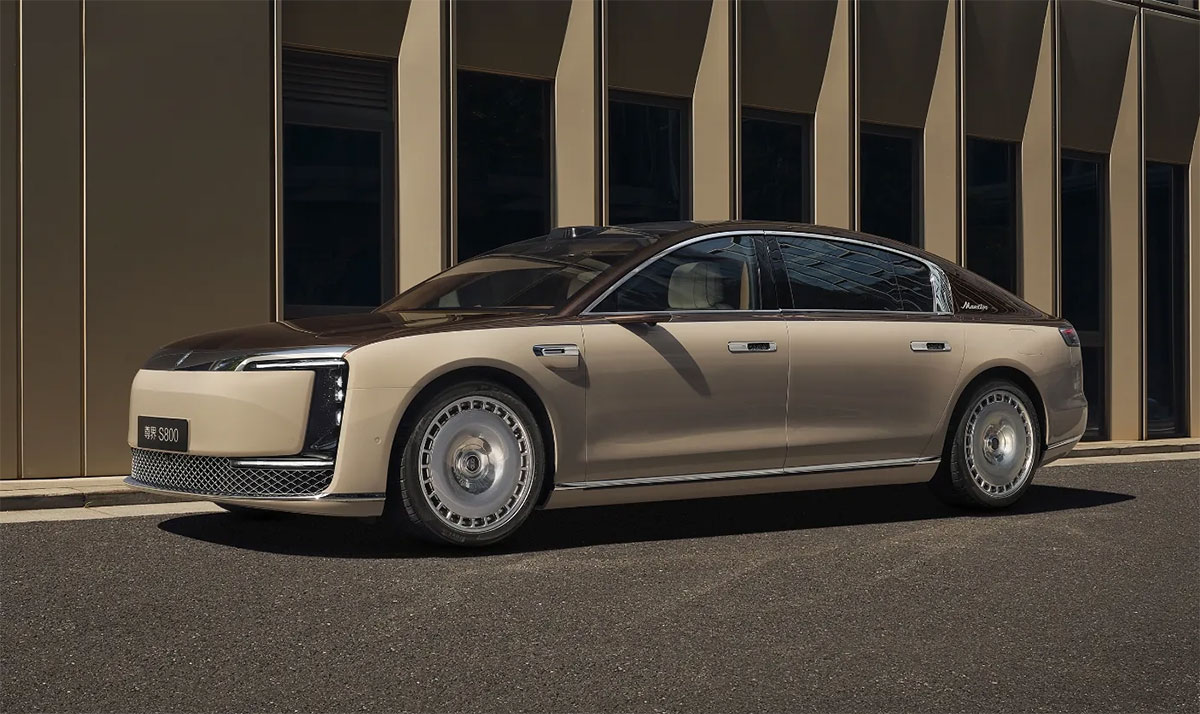
The adjustment may favor emerging domestic luxury EV brands that typically price below the new tax threshold. Vehicles such as the Nio ET9 (from RMB 788,000), Maextro S800 (from RMB 708,000), Zeekr 009 Grand (from RMB 789,000), and several models from BYD’s Yangwang lineup are positioned to benefit. While domestic brands have historically struggled to enter the RMB 1 million luxury segment, advances in electrification have enabled a new wave of competition.
Source: CNEVPOST