
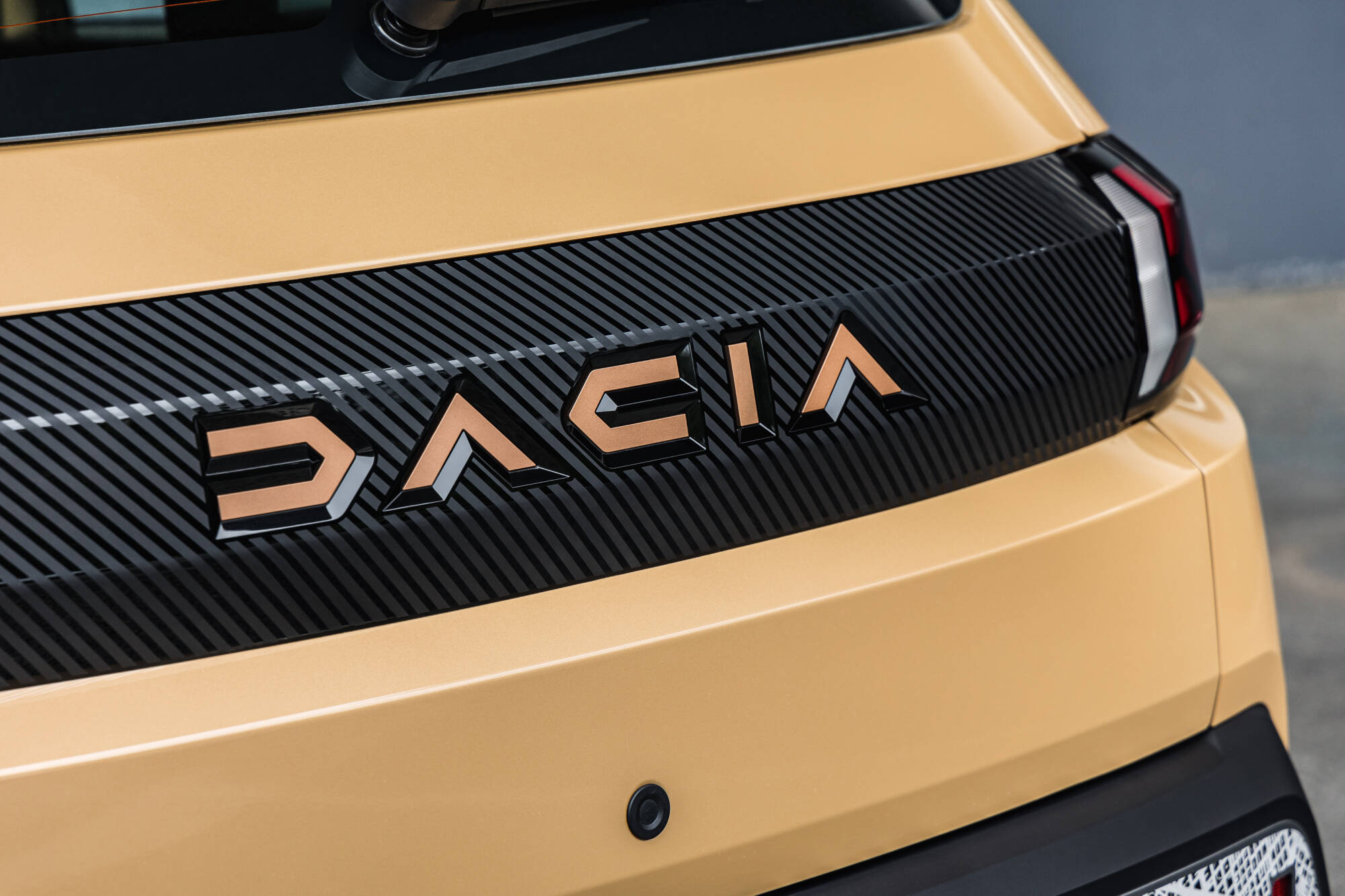
Dacia, the budget brand owned by Renault, plans to introduce an electric version of its best-selling Duster SUV, alongside broader efforts to expand its electrified lineup. Speaking to Autocar, Dacia brand chief Denis Le Vot said the company will launch the electric Duster “in due course,” although no specific launch date has been set.
Le Vot noted that the upcoming electric variant will be optionally available with all-wheel drive. The model is expected to be based on the AmpR Small platform—formerly known as CMF-BEV—the same architecture underpinning the Renault 5 and the upcoming Renault 4, which was recently revealed as a 4×4 concept. “We will be launching the Duster with an electric drive,” Le Vot told Autocar, adding that it would serve as a supplement rather than a replacement to combustion models.
The AmpR Small platform allows electric and internal combustion models to be built on a shared production line, providing flexibility for Dacia to offer the next-generation Duster in both powertrain formats. A hybrid version of the third-generation Duster is also scheduled to launch later this year, according to Autocar.
The electric Duster will be joined by additional EV offerings, including an all-electric version of the Sandero, Dacia’s top-selling model. Set to debut between 2027 and 2028, the next-generation Sandero will be available until 2035, when the European Union’s ban on new combustion-engine vehicles takes effect.
Dacia is also developing a new small electric car based on the Renault Twingo platform, targeting a starting price below €18,000. Development is expected to be completed within 16 months, following a roadmap set by former Renault Group CEO Luca de Meo. The forthcoming model will cost around €1,000 more than the existing Spring EV, which starts at €16,900, but is expected to feature improved range and faster charging.
The Romanian brand plans to outline more details of its electrification strategy at a presentation scheduled for November. Until then, Dacia appears committed to offering cost-conscious EV alternatives as part of its transition to a low-emission lineup.