
Chinese battery maker Eve Energy plans to invest up to RMB 8.65 billion ($1.2 billion) in a new energy storage battery project in Malaysia, as the company continues expanding its international manufacturing footprint. The announcement was disclosed in a filing to the Shenzhen Stock Exchange on June 27.
The new project will be located in Kulim City, Kedah State, and will be carried out by the firm’s wholly owned local subsidiary, Eve Energy Storage Malaysia Sdn Bhd. The facility will occupy a land area of roughly 484,000 square meters and is expected to be completed within 2.5 years. It will serve as an extension of the company’s current battery production operations in Malaysia.
See also: Eve Energy Announces Plans for Hong Kong Listing Following CATL’s Move
Eve Energy said the initiative will help “further promote the company’s overseas business expansion,” while responding to rising global demand for energy storage products. The company added that the investment would also support efforts to “mitigate risks associated with escalating international trade friction.”
The project remains subject to regulatory approvals in both China and Malaysia.
Eve Energy ranks among China’s largest battery manufacturers, with 2.09 GWh of electric vehicle battery installations recorded in May, accounting for a 3.66% share of the domestic market, according to the China Automotive Battery Innovation Alliance (CABIA).
See also: Eve Energy Unveils Omnicell: A Revolutionary 6C Fast-Charging Battery Cell
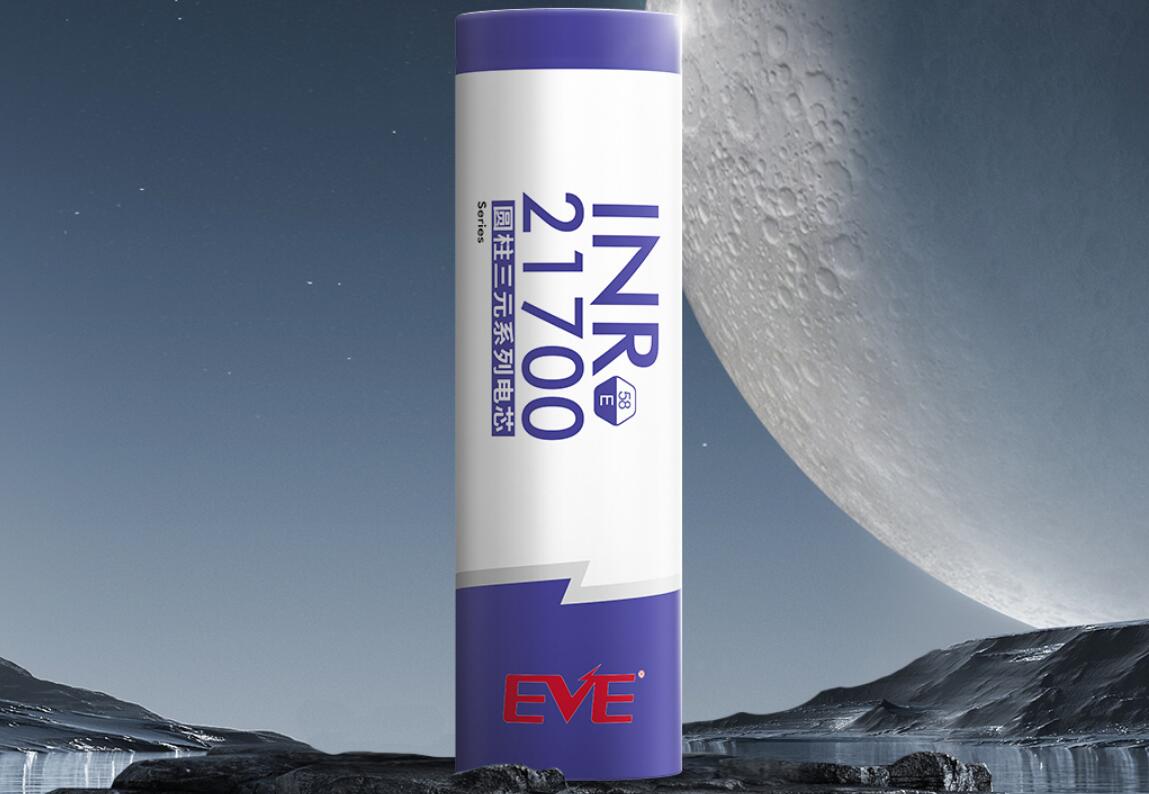
The firm began construction of its first Malaysian factory in August 2023. The plant, which started battery cell production in February 2024, primarily manufactures 21700 cylindrical batteries used in electric tools and two-wheelers. It is Eve Energy’s 53rd facility worldwide.
In January, the company announced plans to establish an energy storage subsidiary in Malaysia and secure additional land for a second facility. It also revealed in June 2023 a separate investment exceeding $1 billion in Hungary, where it aims to build an EV battery plant in Debrecen over a four-year period.