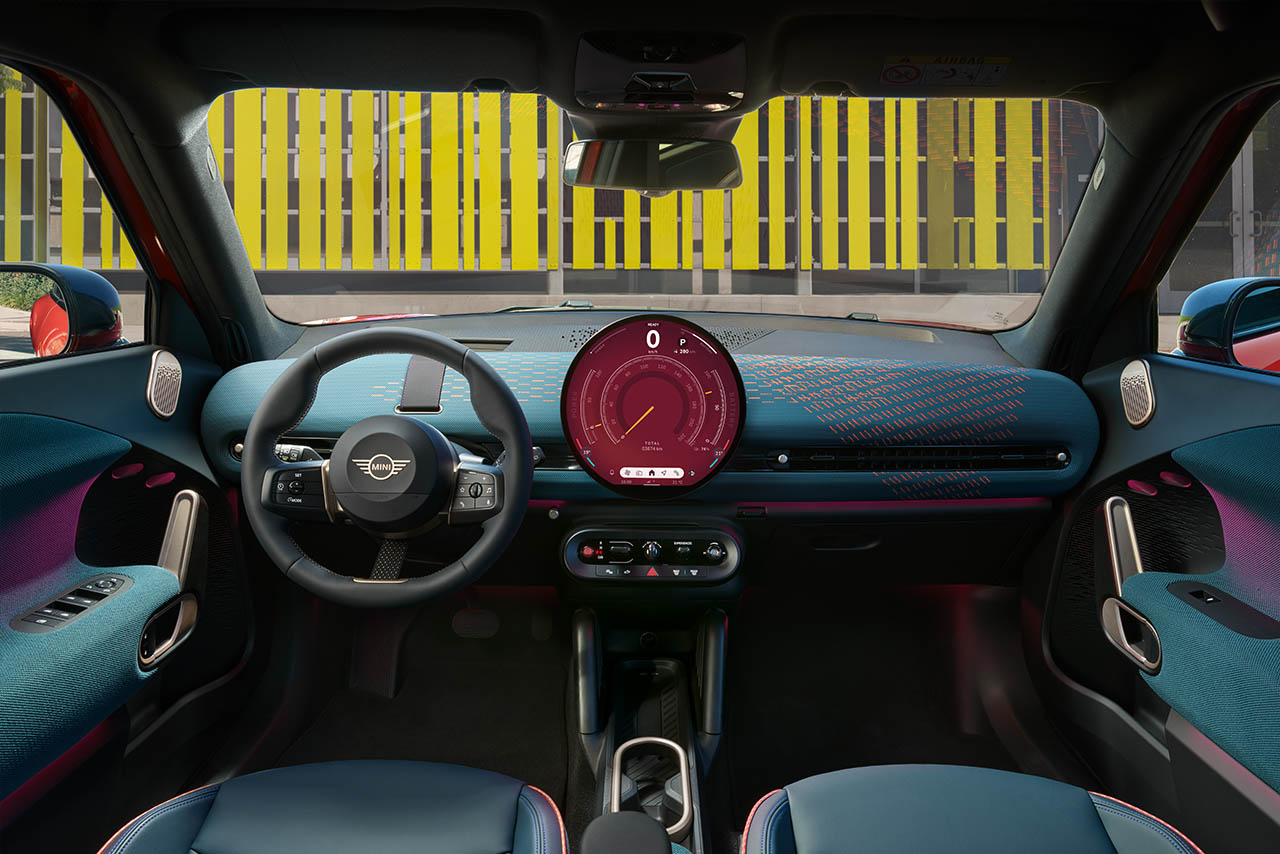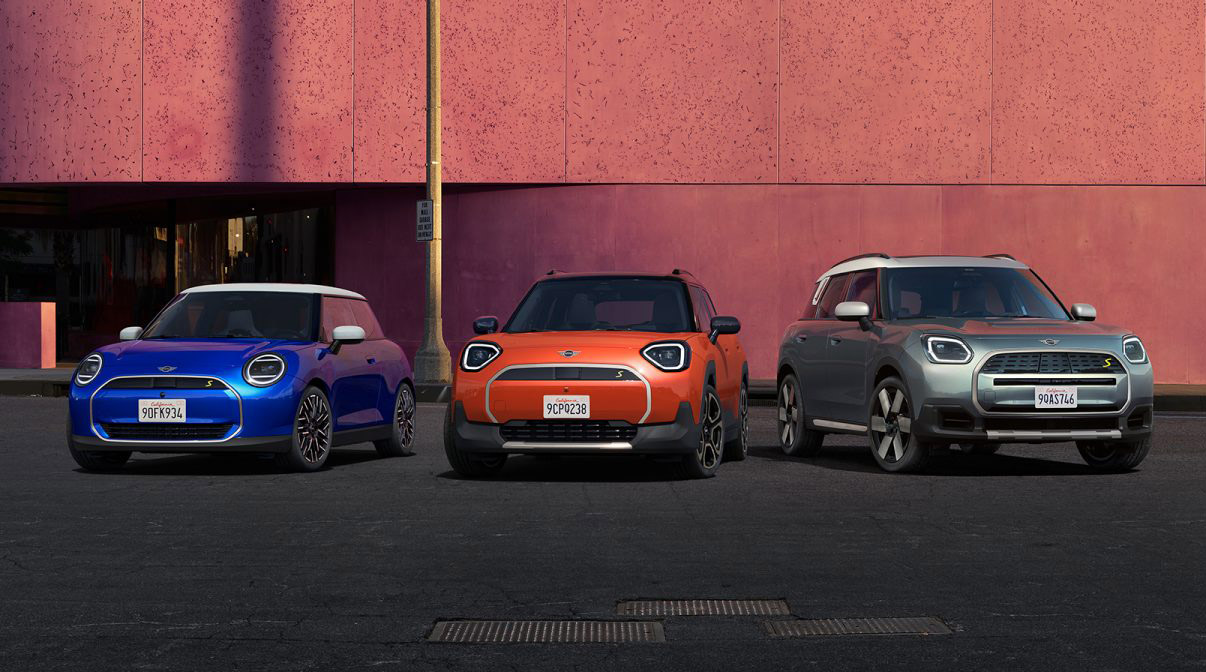
Mini has shelved its plan to bring two electric vehicle models from China to the U.S. market due to the latest round of tariffs imposed on Chinese imports, the BMW-owned brand confirmed. Among the affected models is the all-electric Mini Aceman, which will no longer be introduced in the United States for the foreseeable future.
Michael Peyton, Mini’s Vice President for the Americas, told Automotive News that the company had been considering alternatives to mitigate trade restrictions, but recent developments made the import strategy unworkable. “Now, it’s become a lot more clear for a variety of reasons that [it] doesn’t make sense,” he said, referencing the Biden administration’s continued tariffs and the 125 per cent hike introduced under former President Donald Trump, bringing the total duty on Chinese-built EVs to 145 per cent.
See also: BMW Shelves Plans for Convertible Version of Electric Mini Cooper E
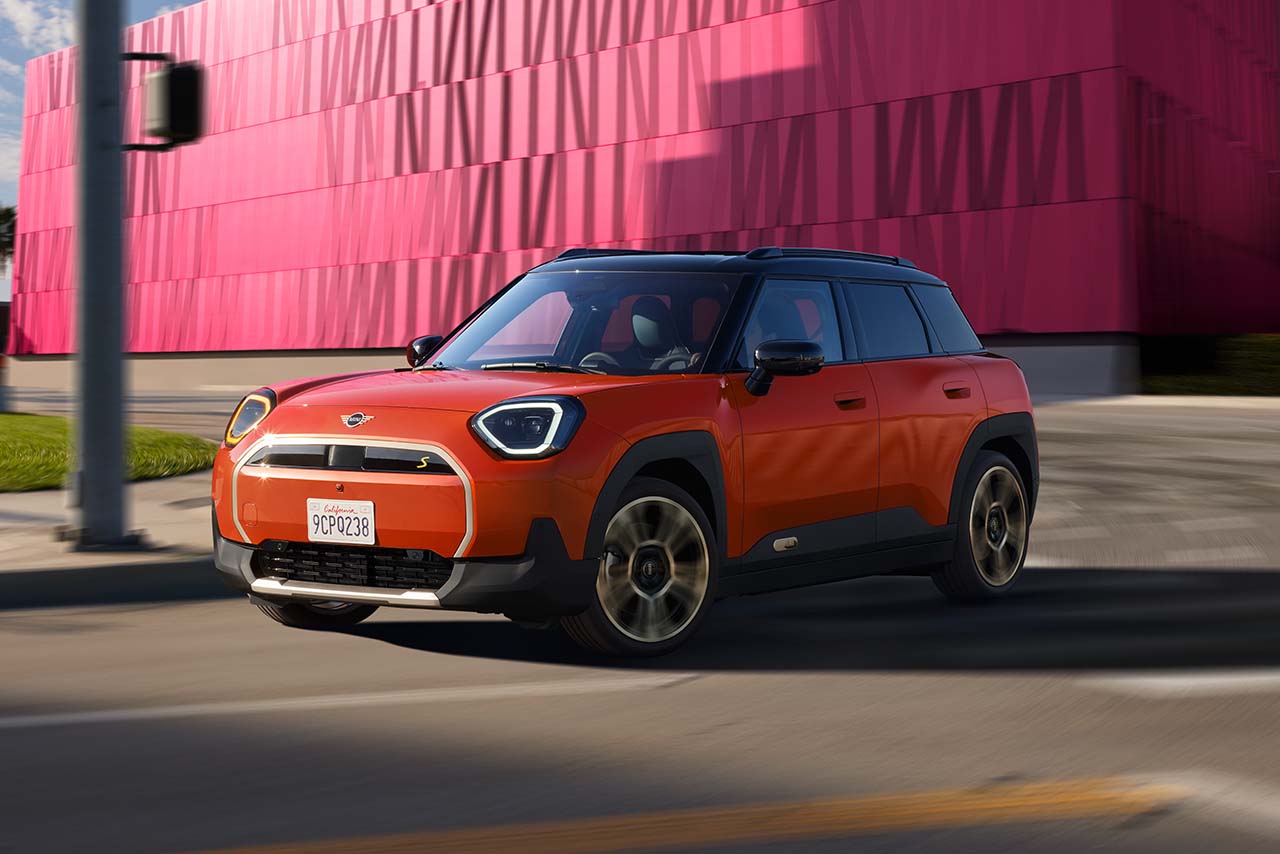
The Aceman, co-developed with Great Wall Motor and built in China, had been slated for a U.S. launch alongside the new J01-generation Mini Cooper. Both models were originally intended to be manufactured in China and, starting in 2026, at Mini’s Oxford plant in the UK. However, production in Oxford has been postponed indefinitely due to industry uncertainty, removing the possibility of rerouting supply to the U.S. from Europe.
The decision has left Mini increasingly reliant on internal combustion engine (ICE) vehicles in North America. “We’re still moving in that direction,” Peyton said, referring to electrification. “But we’ve seen, particularly for North America, ICE is still very much a thing and will be for the foreseeable future.”
See also: Mini Delays Launch of Electric Models in North America Amid Tariff Challenges
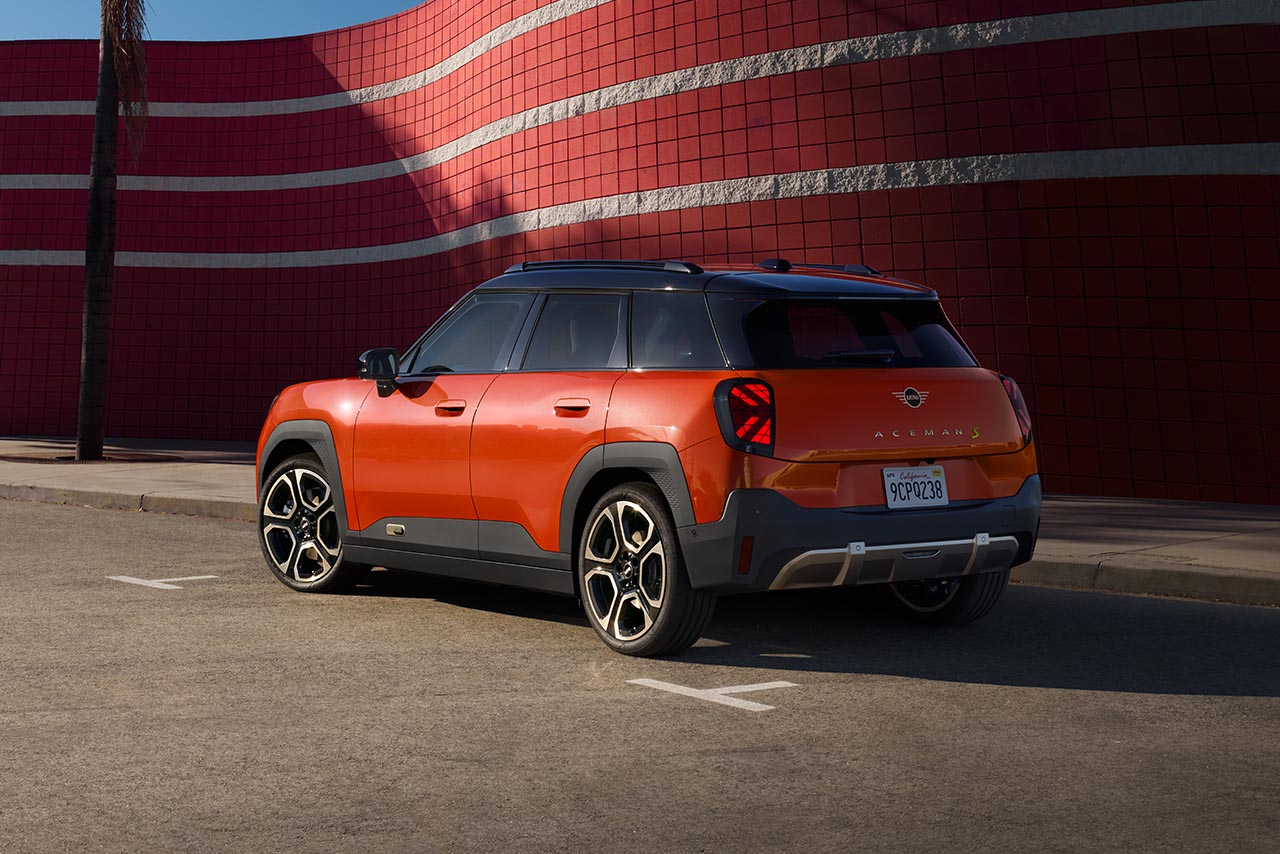
While local production in the U.S. could be a long-term option, Peyton dismissed the likelihood of building the Aceman at BMW’s Spartanburg facility due to limited demand. “A product like the Aceman, I love it — it does fantastic for me in Latin America — but we just have to navigate some of those hurdles that make the business case work,” he added.
Roger Botton, a Mini dealer in Portland, Oregon, called the move “a hard hit to the brand,” noting his dealership could sell 175 to 200 more units annually if the EVs were available — a potential sales increase of 35 per cent.
See also: Mini Cuts Prices of Electric Models in China Amid Competitive Market